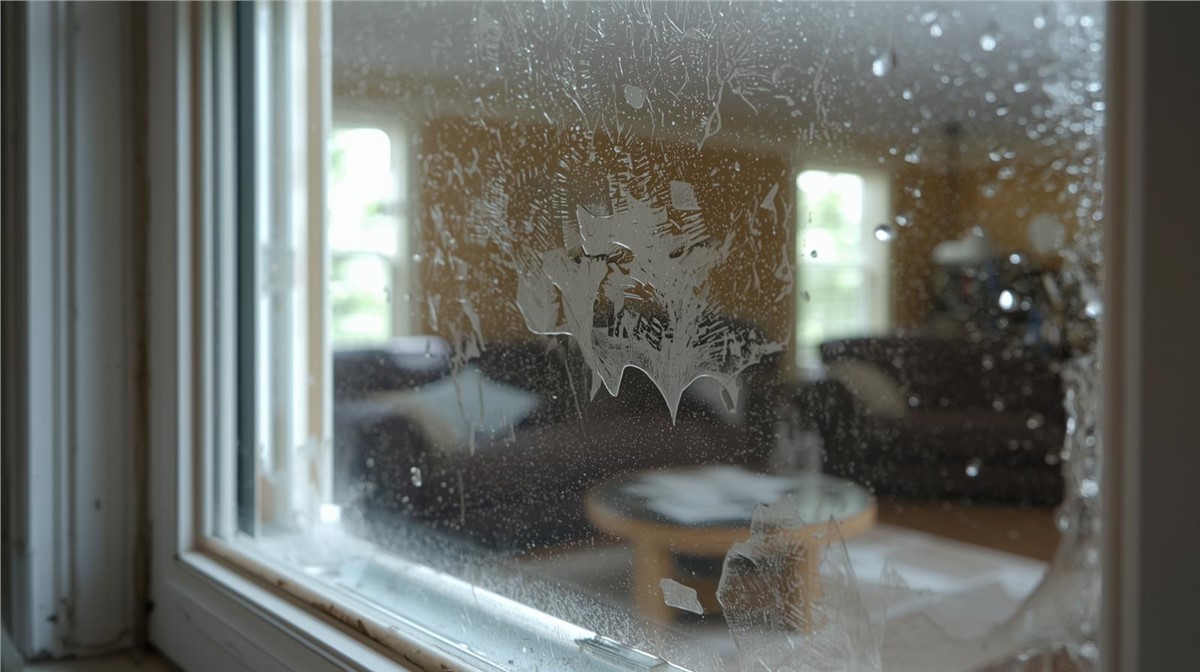
If your energy bills keep climbing and certain rooms in your home never seem comfortable, your windows may be part of the problem. For homeowners in Wisconsin and Illinois, energy efficiency isn’t just a nice bonus—it’s essential. Long, cold winters and hot, humid summers put constant strain on heating and cooling systems, and inefficient windows can quietly drain energy year-round.
Understanding the signs your windows are costing you energy efficiency can help you identify problems early, improve comfort, and avoid unnecessary utility expenses. This guide explains how windows lose efficiency in Midwest homes, what warning signs to watch for, and how windows work together with roofing, siding, and gutters to protect your home’s performance.
Why Windows Are a Major Source of Energy Loss in the Midwest
Windows sit at the weakest point of your home’s exterior envelope. Even well-built homes in Wisconsin and Illinois can lose a significant amount of energy through aging or poorly sealed windows.
Midwest weather makes the problem worse:
Subzero winter temperatures increase heat loss
Strong winds push cold air through gaps and seals
Summer heat and humidity drive cooling costs higher
Freeze-thaw cycles stress window frames and seals
Over time, these conditions reduce window performance—often long before windows appear “broken.”
1. Drafts or Cold Spots Near Windows
One of the most common signs of energy loss is feeling cold air near windows during winter.
What’s Happening
Drafts typically indicate:
Failed weatherstripping
Gaps between the window frame and wall
Warped or aging frames
Poor original installation
Even small air leaks allow heated air to escape, forcing your furnace to work harder.
Why It Matters in WI & IL
During long Wisconsin and Illinois winters, constant drafts can significantly increase heating costs and create uncomfortable cold zones near exterior walls.
2. Rising Heating and Cooling Bills
If your energy usage hasn’t changed but your bills keep increasing, inefficient windows may be a hidden factor.
How Windows Affect Energy Costs
Old or inefficient windows allow:
Heat to escape in winter
Solar heat to enter in summer
This forces HVAC systems to run longer and more frequently, increasing wear and energy consumption.
Midwest Reality
Homes in WI & IL often see the biggest cost impact during:
Prolonged winter cold snaps
Hot, humid summer stretches
Windows that no longer insulate effectively amplify these extremes.
3. Condensation on or Between Window Panes
Interior Condensation
Moisture forming on the inside of windows suggests poor insulation and temperature imbalance.
Condensation Between Panes
Fog or moisture between double- or triple-pane glass means the seal has failed. Once seals fail:
Insulating gas escapes
Thermal performance drops sharply
Replacement is usually the only solution
Condensation issues are especially common during Midwest temperature swings.
4. Windows Feel Cold to the Touch in Winter
If the glass or frame feels noticeably cold, heat is transferring directly through the window.
What This Indicates
Single-pane or early double-pane glass
Lack of Low-E coatings
Inefficient frame materials
In cold Wisconsin and Illinois winters, this heat transfer leads to constant heat loss—even if there are no visible drafts.
5. Rooms That Are Hard to Heat or Cool
Do certain rooms stay cold in winter or overly warm in summer?
Why Windows Are Often the Cause
Rooms with:
Large window areas
Older windows
Windows facing strong sun exposure
are more prone to temperature imbalance.
Midwest Impact
South- and west-facing windows in Illinois homes often overheat in summer, while north-facing windows in Wisconsin homes lose heat rapidly in winter.
6. Difficulty Opening, Closing, or Locking Windows
Operational issues aren’t just inconvenient—they often signal deeper problems.
How This Affects Efficiency
Warped frames prevent proper sealing
Poor closure allows air leakage
Gaps develop around sashes
Freeze-thaw cycles common in the Midwest can slowly distort window frames, reducing their ability to seal tightly.
7. Visible Gaps, Cracks, or Deteriorated Caulking
Exterior Warning Signs
Cracked caulk around frames
Gaps between trim and siding
Visible daylight around window edges
These gaps allow cold air, moisture, and heat transfer—undermining efficiency year-round.
8. Excessive Outside Noise Indoors
While noise isn’t an energy issue by itself, it’s often a related clue.
Why It Matters
Windows that allow sound through usually:
Lack proper sealing
Have poor insulation value
Are older or single-pane
In Wisconsin and Illinois, wind-driven noise during storms often reveals air leakage that also affects energy efficiency.
9. Your Windows Are 20+ Years Old
Age alone doesn’t determine performance, but it’s a strong indicator.
Why Older Windows Struggle
Many older Midwest homes still have windows installed before:
Modern energy codes
Low-E glass became standard
Improved frame technology
Even if they appear intact, older windows are often far less efficient than modern options.
How Energy Loss Through Windows Affects the Rest of Your Home
Inefficient windows don’t just affect comfort—they impact other exterior systems.
Roofing and Attic Performance
Warm air escaping through windows increases attic heat buildup, contributing to:
Ice dam formation
Roof temperature imbalance
Siding and Wall Assemblies
Air leakage allows moisture to enter wall cavities, increasing the risk of:
Mold growth
Insulation damage
Reduced wall efficiency
Gutters and Moisture Control
Condensation and moisture issues near windows often worsen when drainage systems fail and water saturates exterior walls.
Windows must perform as part of a complete exterior system to maintain efficiency.
Why Midwest Weather Exposes Window Inefficiency Faster
Homes in Wisconsin and Illinois experience extreme conditions that quickly reveal weak windows:
Long heating seasons amplify heat loss
Summer humidity highlights poor seals
Freeze-thaw cycles accelerate frame deterioration
Windows that might perform “okay” in milder climates often struggle in the Midwest.
When Window Replacement Becomes the Smart Choice
Window repairs may help when issues are minor, but replacement often makes sense when:
Seals have failed
Multiple windows show similar problems
Energy bills keep rising
Comfort issues persist year after year
Modern energy-efficient windows are designed specifically to handle temperature extremes common in WI & IL.
Benefits of Energy-Efficient Windows in the Midwest
Replacing inefficient windows can provide:
Lower heating and cooling costs
Improved indoor comfort
Reduced drafts and cold spots
Better moisture control
Quieter interior spaces
These benefits are most noticeable during harsh Midwest winters and peak summer heat.
Best Time to Address Window Efficiency Issues
While windows can be replaced year-round, many homeowners prefer:
Spring and fall for moderate temperatures
Before winter to reduce heating costs
Planning ahead avoids emergency replacements during extreme weather.
Frequently Asked Questions
Can windows really impact energy bills that much?
Yes. Inefficient windows are one of the largest contributors to heat loss and gain in homes.
Are drafts always caused by bad windows?
Often, yes—but poor installation or failed seals are usually the root cause.
Will new windows eliminate condensation?
They greatly reduce it when properly installed, though indoor humidity still matters.
Are triple-pane windows worth it in the Midwest?
In colder regions or draft-prone homes, they can significantly improve comfort and efficiency.
Should windows be replaced with siding or roofing?
Often recommended. Coordinating projects improves sealing, flashing, and long-term performance.
Improving Comfort and Efficiency Long-Term
In Wisconsin and Illinois, energy efficiency isn’t just about saving money—it’s about making your home more comfortable and resilient in extreme weather. Recognizing the signs of inefficient windows allows you to take action before energy loss and moisture issues escalate.
Huskie Exteriors works with homeowners across WI & IL, bringing experience with windows, roofing, siding, and gutters designed for Midwest conditions. A thoughtful approach to window efficiency helps ensure your home stays comfortable, protected, and efficient through every season.
Subscribe to Huskie Exteriors's Blog




Comments