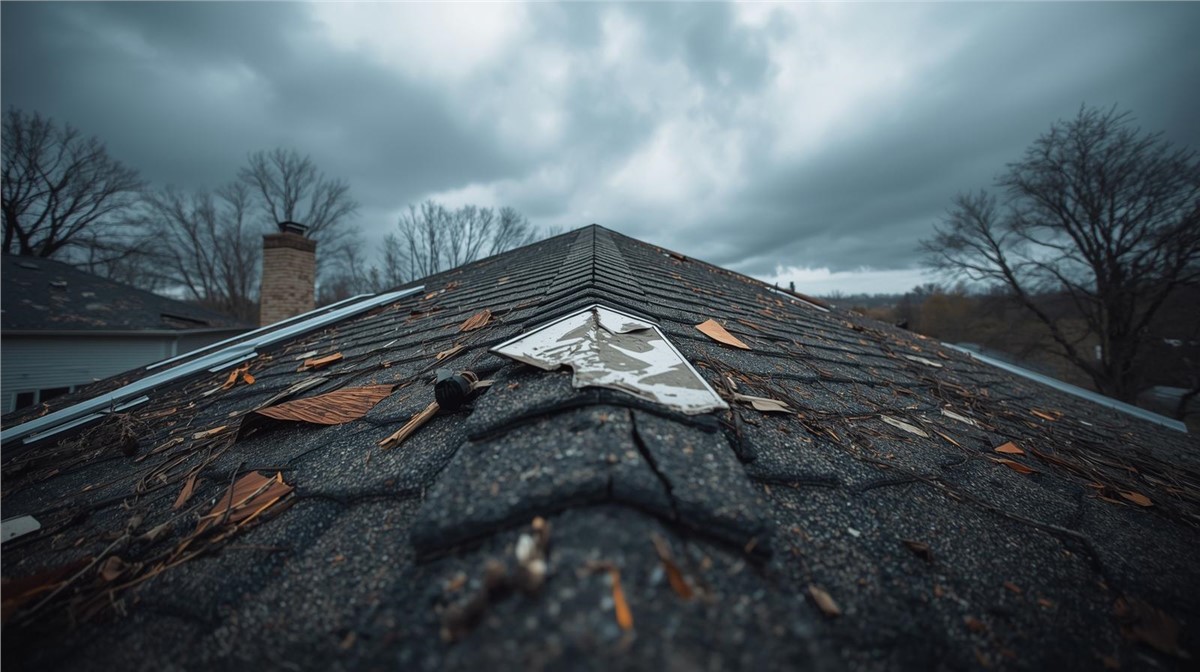
Storms are a fact of life for homeowners in Wisconsin and Illinois. From spring hail and heavy rain to summer windstorms and winter snow events, Midwest weather puts roofs under constant pressure. The challenge is that storm damage isn’t always obvious. In many cases, problems develop slowly—weeks or even months after a storm has passed.
Knowing the signs your roof has storm damage in Wisconsin & Illinois can help you act early, prevent interior damage, and avoid costly repairs down the road. This guide explains the most common types of storm-related roof damage in the Midwest, what to look for after severe weather, and how roofing issues often affect siding, windows, and gutters as well.
Why Storm Damage Is So Common in the Midwest
Roofs in WI & IL face a unique combination of storm conditions that accelerate wear:
Strong winds and straight-line gusts
Hailstorms in spring and summer
Heavy rain in short periods
Snow and ice accumulation in winter
Rapid temperature swings before and after storms
These forces don’t just cause immediate damage—they weaken roofing materials over time, making future storms more destructive.
Storm Damage Isn’t Always Visible Right Away
One of the biggest misconceptions homeowners have is that storm damage will be obvious from the ground. In reality, many serious roofing issues start small.
Storm damage often:
Occurs beneath the surface of shingles
Affects flashing or underlayment rather than shingles
Develops into leaks weeks after a storm
Shows up indoors before it’s visible outside
That’s why understanding warning signs is so important.
1. Missing or Lifted Shingles After Windstorms
What Wind Damage Looks Like
High winds are common across Wisconsin and Illinois, especially during spring and summer storms. Wind can:
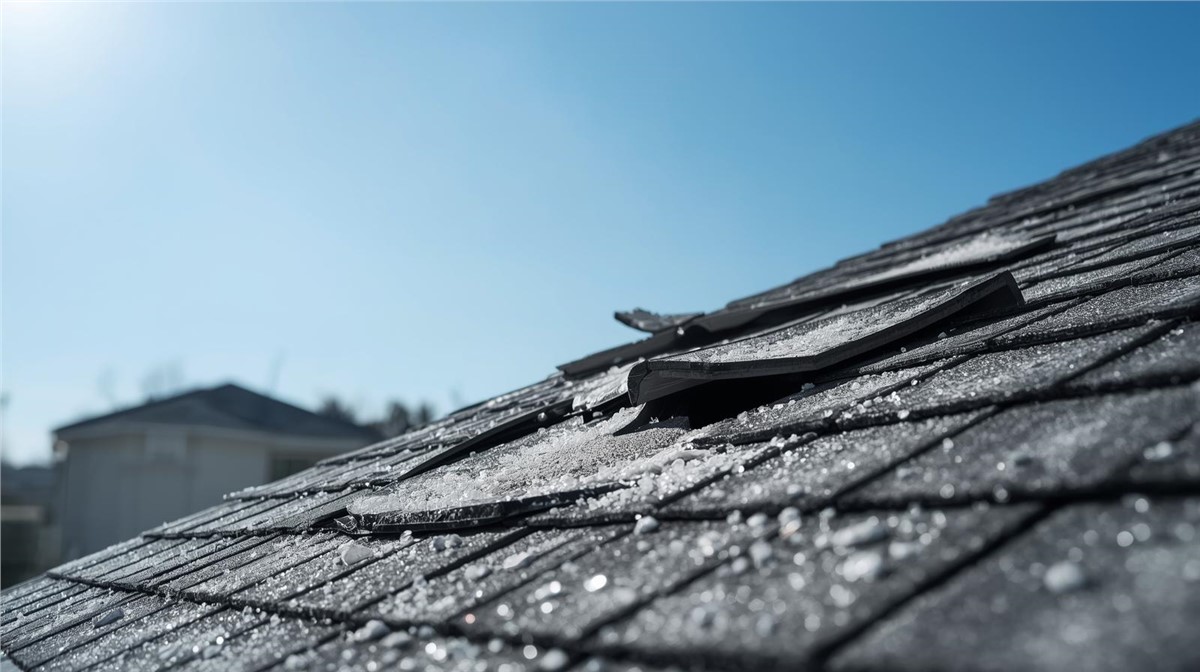
Tear shingles off entirely
Lift shingles and break their adhesive seals
Expose nail heads or underlayment
Even shingles that settle back into place can be compromised.
Why This Matters
Lifted shingles allow water to penetrate beneath the roofing surface during rain or snowmelt, leading to leaks and rot over time.
2. Hail Damage to Shingles
Why Hail Is a Major Concern in WI & IL
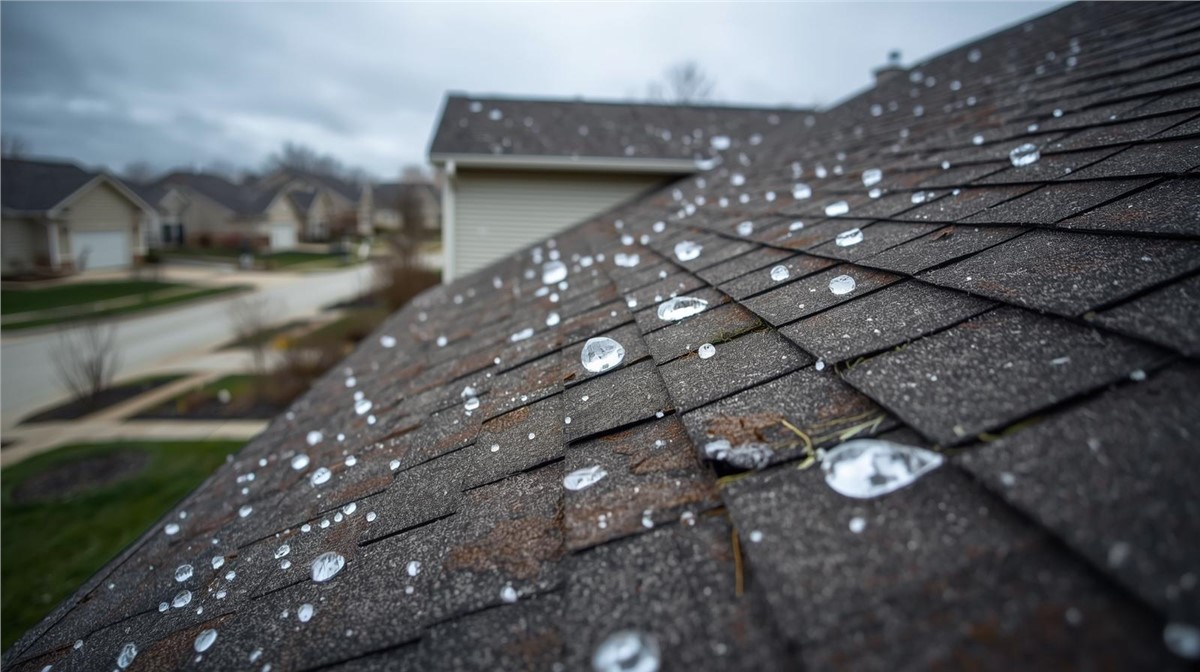
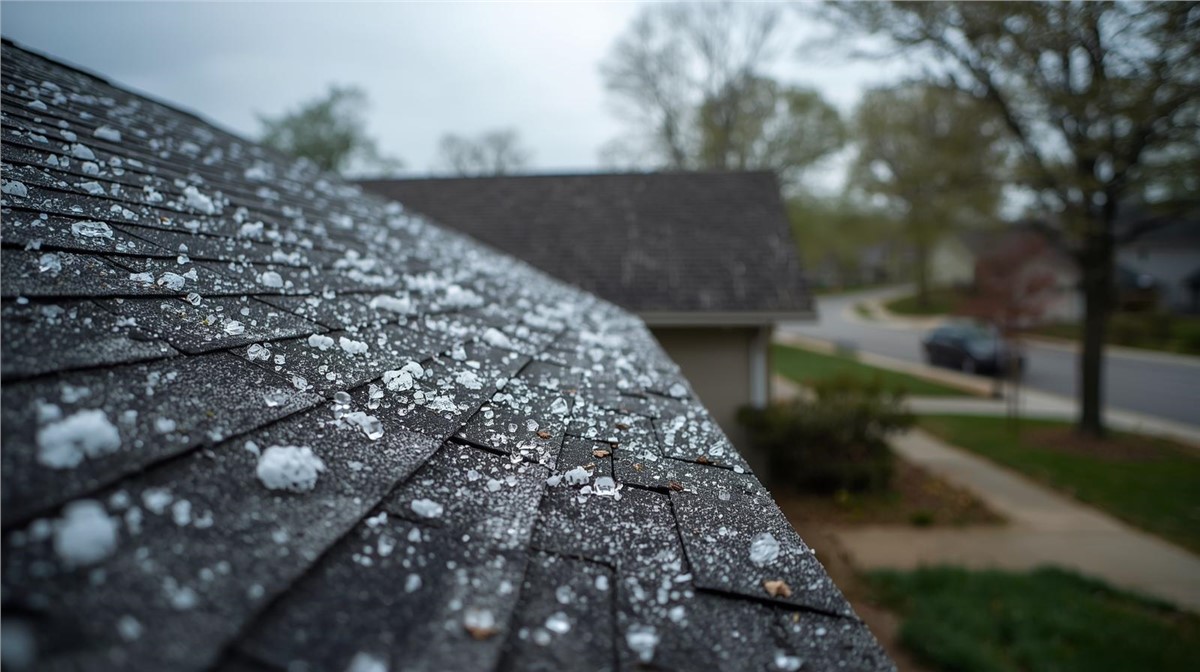
Hailstorms frequently affect Illinois and parts of Wisconsin. While large hailstones cause obvious damage, smaller hail can be just as problematic.
Signs of Hail Damage
Circular impact marks on shingles
Granule loss exposing dark asphalt underneath
Soft “bruises” beneath the shingle surface
Cracked or fractured shingles
Hail damage often reduces shingle lifespan even if leaks don’t appear immediately.
3. Granules Collecting in Gutters or Downspouts
What Granule Loss Indicates
Granules protect shingles from UV exposure and help shed water. After storms, excessive granules may wash into gutters.
Why It’s a Red Flag
Granule loss weakens shingles, making them more vulnerable to:
Sun damage
Cracking during freeze-thaw cycles
Water absorption
If you notice granules after storms, your roof may have sustained storm-related wear.
4. Roof Leaks After Heavy Rain or Snowmelt
Midwest Leak Patterns
In Wisconsin and Illinois, leaks often appear:
After storms, not during them
During snowmelt rather than snowfall
Near exterior walls or ceilings
Common Storm-Related Causes
Wind-driven rain forcing water under shingles
Ice dams caused by storm-related snow accumulation
Damaged flashing around roof penetrations
Any new leak after a storm should be investigated promptly.
5. Damage Around Chimneys, Vents, and Flashing
Why Flashing Is Vulnerable
Flashing seals areas where the roof meets chimneys, vents, and walls. Storms can:
Loosen flashing
Break sealants
Bend or crack metal components
Flashing failure is one of the most common sources of storm-related leaks in Midwest homes.
6. Dented or Damaged Roof Components
What to Inspect
Storm damage isn’t limited to shingles. Look for:
Dented metal vents or flashing
Damaged ridge caps
Bent drip edge or fascia
If metal components show damage, shingles nearby may also be affected—even if it’s not obvious.
7. Sagging or Uneven Rooflines After Storms
What This Indicates
Severe storms combined with heavy rain or snow can expose structural weaknesses.
Sagging may signal:
Water-saturated roof decking
Long-term moisture intrusion
Structural stress from snow load
This is a serious issue that should be evaluated immediately.
8. Interior Signs of Storm Damage
Sometimes storm damage is easier to spot inside your home.
Interior Warning Signs
Water stains on ceilings or walls
Peeling paint or bubbling drywall
Moldy or musty odors
Damp attic insulation
These symptoms often appear days or weeks after a storm and indicate hidden roof damage.
How Winter Storms Create Unique Roof Damage
Snow and Ice Stress
Winter storms in Wisconsin and Illinois can cause:
Ice dams that force water under shingles
Prolonged snow load stressing roof structures
Freeze-thaw damage that worsens small cracks
Winter storm damage often isn’t visible until spring inspections.
How Storm Damage Affects Siding, Windows, and Gutters
Roof damage rarely stays confined to the roof.
Siding
Wind-driven rain from damaged roofing can force moisture behind siding, leading to rot and insulation damage.
Windows
Roof leaks often travel and appear as window leaks or wall stains, even when windows themselves are intact.
Gutters
Storm debris and granules clog gutters, causing overflow that worsens roof edge and siding damage.
Evaluating storm damage as part of a full exterior system leads to better long-term solutions.
Repair vs. Replacement After Storm Damage
When Roof Repair May Be Enough
Damage is isolated
Roof is relatively new
Shingles can be matched and properly sealed
When Replacement Is Often Recommended
Widespread hail or wind damage
Repeated storm-related repairs
Aging roof materials
Ongoing leaks or granule loss
In Midwest climates, storm damage often accelerates the need for replacement sooner than expected.
Insurance and Storm Damage in WI & IL
Storm damage is one of the most common reasons homeowners replace roofs.
Important Things to Know
Damage may not be obvious from the ground
Delaying inspection can worsen issues
Insurance timelines may apply
A professional inspection helps document damage accurately and determine the best next steps.
What to Do After a Major Storm
Look for visible signs from the ground
Check interior ceilings and attic areas
Inspect gutters and downspouts
Schedule a professional roof inspection
Avoid climbing onto the roof yourself—storm-damaged roofs can be slippery and unsafe.
Frequently Asked Questions
Can my roof have storm damage without leaks?
Yes. Many forms of hail and wind damage weaken shingles without causing immediate leaks.
How soon should I inspect my roof after a storm?
As soon as it’s safe—especially after hail, high winds, or heavy snow.
Do all storms cause roof damage?
Not all, but repeated storms can compound damage over time.
Can storm damage shorten roof lifespan?
Yes. Even minor damage can accelerate aging and lead to early replacement.
Should gutters be inspected after storms?
Yes. Gutters often reveal granule loss and debris buildup after storms.
Protecting Your Home After Midwest Storms
Storms are unavoidable in Wisconsin and Illinois, but long-term damage doesn’t have to be. Knowing the warning signs of storm-related roof damage helps homeowners act early, protect their homes, and avoid unexpected repairs.
Huskie Exteriors works with homeowners throughout WI & IL, providing experienced evaluations of roofing, siding, windows, and gutters after storms. A timely inspection and informed approach can make all the difference in keeping your home protected through every Midwest season.
Subscribe to Huskie Exteriors's Blog





Comments