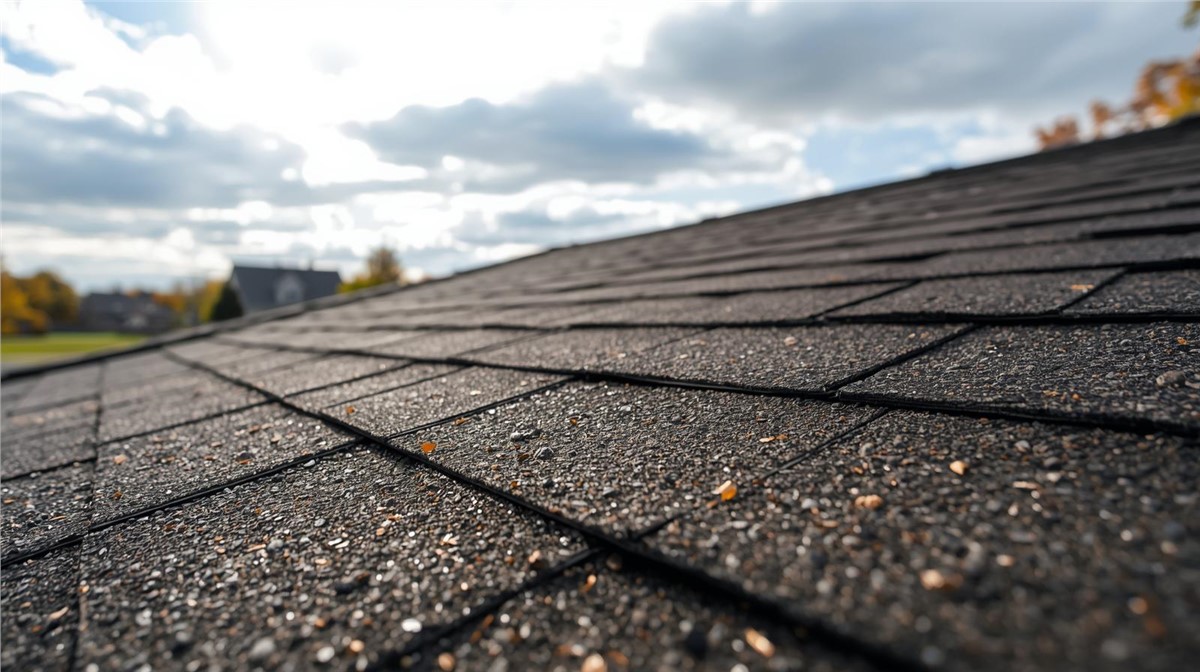
If you own a home in Wisconsin or Illinois, your roof has one of the toughest jobs of any part of the house. Midwest roofs endure heavy snow, ice dams, hail, strong winds, torrential rain, summer heat, and constant freeze-thaw cycles. Because of this, roofs here often age faster than homeowners expect.
So, how long do roofs last in the Midwest? The short answer: it depends on the roofing material, installation quality, ventilation, maintenance, and how well your home handles Midwest weather. This guide breaks down realistic roof lifespans for Wisconsin and Illinois homes, what shortens or extends roof life, and how roofing works alongside siding, windows, and gutters to protect your home long term.
Why Midwest Roofs Don’t Last as Long as Advertised
Many roofing materials come with warranties that sound impressive—30, 40, even 50 years. But in real-world Midwest conditions, actual lifespan is often shorter.
Roofs in Wisconsin and Illinois face:
Long, freezing winters
Repeated freeze-thaw cycles
Heavy snow loads and ice buildup
Wind-driven rain and hail
Hot summers with intense UV exposure
These conditions cause roofing materials to expand, contract, dry out, and absorb moisture repeatedly, accelerating wear compared to milder climates.
Average Roof Lifespan by Material in the Midwest
Below are realistic lifespan ranges based on Midwest conditions—not just manufacturer estimates.
Asphalt Shingle Roofs (Most Common)
Typical Midwest Lifespan
15–25 years
Asphalt shingles are the most common roofing material in Wisconsin and Illinois due to affordability and versatility.
What Affects Asphalt Longevity
Three-tab shingles: Often closer to 15–20 years
Architectural shingles: Typically last 20–25 years in the Midwest
Cold winters make shingles brittle, while summer heat dries them out. Over time, granule loss, cracking, and curling shorten lifespan.
Key takeaway: Architectural shingles last longer than basic asphalt in Midwest climates, especially when ventilation is done correctly.
Metal Roofing
Typical Midwest Lifespan
40–70 years
Metal roofing performs exceptionally well in Midwest weather when properly installed.
Why Metal Lasts Longer
Snow sheds easily, reducing ice dam stress
Resistant to wind, moisture, and UV damage
Handles extreme temperature swings well
Metal roofs require a higher upfront investment, but their longevity and low maintenance make them a strong long-term option for WI & IL homeowners.
Synthetic and Composite Roofing
Typical Midwest Lifespan
30–50 years
Synthetic roofing materials are designed to mimic slate or wood while improving durability.
Midwest Performance
Strong resistance to freeze-thaw cycles
Good impact resistance for hail-prone areas
Lighter weight than natural slate
Quality varies by manufacturer, but well-made synthetic products hold up well in harsh Midwest climates.
Cedar Shake and Wood Roofing
Typical Midwest Lifespan
20–30 years (highly maintenance-dependent)
Wood roofing offers classic appeal but struggles with Midwest moisture.
Midwest Challenges
Snow and ice exposure accelerate rot
Freeze-thaw cycles stress wood fibers
Requires frequent maintenance
Without diligent upkeep, wood roofs often fail earlier in Wisconsin and Illinois than in drier regions.
Slate Roofing
Typical Midwest Lifespan
75–100+ years
Slate is one of the longest-lasting roofing materials available.
Considerations for the Midwest
Excellent resistance to temperature extremes
Very heavy, requiring structural support
Expensive and specialized to repair
Slate performs well in Midwest climates, but it’s not practical for every home.
Factors That Shorten Roof Lifespan in WI & IL
Even high-quality roofs can fail early if key factors aren’t addressed.
Freeze-Thaw Cycles
Water that enters small cracks freezes and expands, slowly worsening damage each winter.
Ice Dams
Ice dams force water under shingles and into roof assemblies, damaging decking and insulation.
Poor Ventilation
Inadequate attic ventilation traps heat and moisture, leading to:
Premature shingle aging
Increased ice dam formation
Moisture damage inside the attic
Storm Damage
Hail and high winds can cause damage that isn’t immediately visible but shortens roof life over time.
How Installation Quality Impacts Roof Longevity
Roof lifespan isn’t just about materials—it’s about how the roof is installed.
Common installation issues that reduce lifespan include:
Improper flashing around chimneys and vents
Inadequate ice-and-water shielding
Poor nail placement or fastening
Incorrect ventilation design
In Midwest climates, small installation errors often lead to big problems over time.
How Gutters Affect Roof Lifespan
Gutters play a major role in roof performance.
Gutter-Related Roofing Problems
Clogged gutters cause water backup under shingles
Ice-filled gutters worsen ice dams
Poor drainage accelerates fascia and roof edge damage
Maintaining gutters helps extend roof lifespan—especially during snowmelt seasons.
How Roofing Works With Siding and Windows
Roof issues often affect other exterior systems.
Siding
Ice dams and roof leaks can force water behind siding, leading to rot and insulation damage.
Windows
Water intrusion from above often appears as window leaks or wall stains, even when windows are properly installed.
Evaluating roofing as part of a full exterior system leads to better long-term performance.
Signs Your Roof May Be Nearing the End of Its Life
Regardless of material, Midwest homeowners should watch for:
Curling, cracking, or missing shingles
Excessive granules in gutters
Recurring leaks or water stains
Sagging rooflines
Ice dam issues every winter
If multiple signs appear, the roof may be approaching replacement age—even if it hasn’t leaked yet.
Can Maintenance Extend Roof Life in the Midwest?
Yes—regular maintenance can add years to a roof’s lifespan.
Helpful Maintenance Steps
Annual roof inspections
Post-storm evaluations
Keeping gutters clean
Addressing minor damage promptly
Ensuring proper attic ventilation
Proactive care is especially valuable in Wisconsin and Illinois, where weather stress is constant.
Repair vs. Replacement: Timing Matters
Roof repairs can extend lifespan when:
Damage is isolated
The roof is relatively young
Issues are storm-related
Replacement is often the better choice when:
The roof is 15–25+ years old
Problems recur each season
Ice dam or ventilation issues persist
Storm damage is widespread
In the Midwest, replacing a roof before failure often costs less than dealing with interior damage later.
Frequently Asked Questions
Do roofs really last less time in the Midwest?
Yes. Harsh winters, storms, and temperature swings shorten lifespan compared to milder regions.
How often should Midwest roofs be inspected?
At least once per year and after major storms involving hail, wind, or heavy snow.
Can a roof last longer than its warranty?
Yes. With quality installation and maintenance, roofs often exceed warranty periods.
Does roof color affect lifespan?
Darker roofs may absorb more heat, but ventilation plays a bigger role in longevity.
Is it risky to wait until a roof leaks to replace it?
Yes. Many roofs fail internally before leaks become visible, leading to higher repair costs.
Planning Ahead for Midwest Roof Longevity
Roofs in Wisconsin and Illinois work harder than most. Understanding realistic lifespans—and the factors that shorten or extend them—helps homeowners plan proactively instead of reacting to emergencies.
Huskie Exteriors works with homeowners across WI & IL, bringing experience in roofing, siding, windows, and gutters designed for Midwest conditions. With the right materials, proper installation, and thoughtful maintenance, your roof can deliver reliable protection through decades of Midwest weather.
Subscribe to Huskie Exteriors's Blog



Comments