Gutters are one of the most overlooked parts of a home’s exterior—until they stop working properly. In Wisconsin and Illinois, where homes face heavy rain, snowmelt, ice buildup, and strong seasonal storms, gutters play a critical role in protecting everything from your roof and siding to your foundation and basement.
Knowing the signs your gutters need repair or replacement can help you address problems early, before water damage spreads to more expensive parts of your home. This guide explains what Midwest homeowners should watch for, how local weather accelerates gutter wear, and how gutters work alongside roofing, siding, and windows as part of a complete exterior system.
Why Gutters Matter So Much in WI & IL
Midwest weather puts unique stress on gutter systems. Homes in Wisconsin and Illinois must manage:
Heavy snowfall followed by rapid spring snowmelt
Intense rainstorms in spring and summer
Freeze-thaw cycles that repeat for months
Ice buildup and icicles during winter
Falling leaves and debris in the fall
When gutters fail under these conditions, water doesn’t just spill over—it often ends up where it causes the most damage.
1. Water Overflowing During Rainstorms
One of the most obvious warning signs is water spilling over the edges of your gutters during rain.
What This Means
Overflow often indicates:
Clogged gutters
Improper gutter pitch
Gutters that are too small for your roof’s runoff
In Wisconsin and Illinois, heavy downpours can overwhelm older or undersized gutter systems quickly.
Why It Matters
Overflowing water can:
Soak siding and trim
Leak behind exterior walls
Pool near the foundation
If overflow happens regularly, repair may not be enough—replacement or resizing may be necessary.
2. Sagging or Pulling Away From the Roofline
Gutters should sit securely along the roof edge. If they appear sagging, uneven, or detached, there’s likely a problem.
Common Causes
Ice buildup adding excessive weight
Loose or corroded fasteners
Long-term debris accumulation
Midwest winters are especially hard on gutters due to snow and ice weight.
Repair or Replace?
Minor sagging may be repaired by re-securing hangers. Widespread separation or damaged fascia boards often points toward replacement.
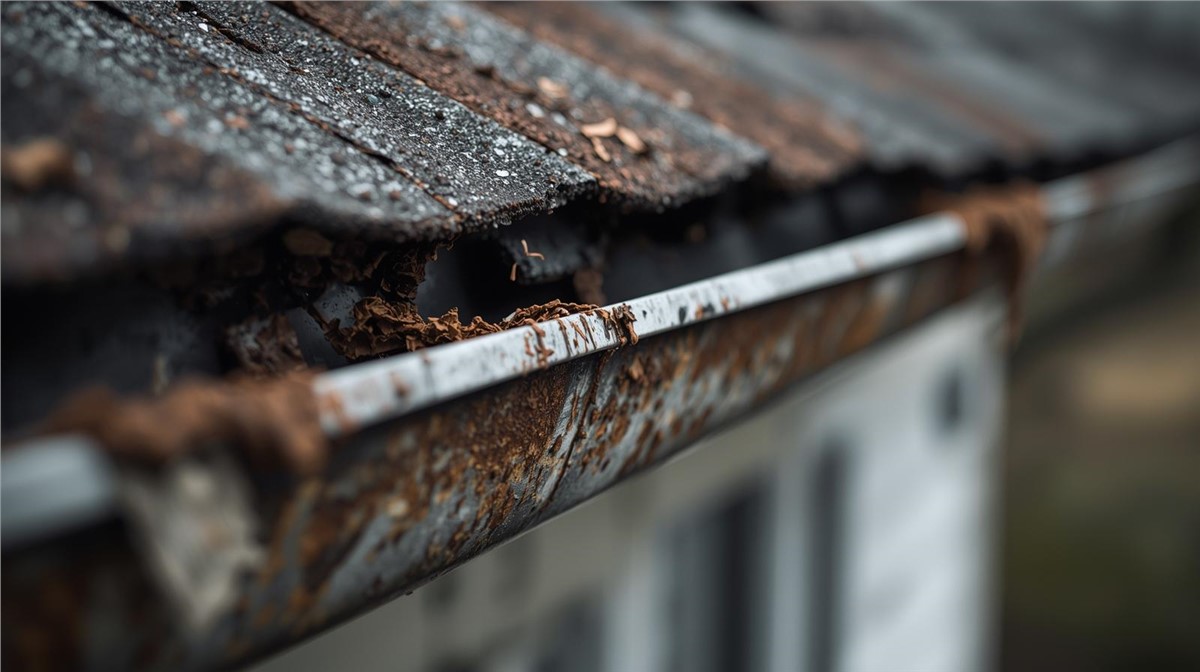
3. Visible Cracks, Holes, or Rust
Small Cracks Can Become Big Problems
Hairline cracks may not seem urgent, but freeze-thaw cycles can widen them over time. Water enters cracks, freezes, expands, and causes further damage.
Rust and Corrosion
Rust is common in older steel gutters and indicates material breakdown. Once rust appears in multiple areas, replacement is usually the better long-term option.
4. Peeling Paint or Stains on Siding
Your siding often reveals gutter problems before gutters do.
What to Look For
Peeling paint or bubbling near rooflines
Water stains or streaks on siding
Mold or mildew growth on exterior walls
In Midwest storms with strong winds, failing gutters allow water to run directly down siding and behind panels.
5. Water Pooling Near the Foundation
Gutters and downspouts are designed to move water away from your home—not drop it straight down.
Warning Signs
Standing water near the foundation
Soil erosion or washed-out landscaping
Basement dampness after storms
These issues are especially common during spring snowmelt in Wisconsin and Illinois. Persistent foundation moisture is a serious concern and often linked to gutter failure.
6. Frequent Clogs and Overflowing Downspouts
Chronic Clogging
If your gutters clog repeatedly—even after cleaning—it may indicate:
Improper slope
Poor downspout placement
Narrow or outdated gutter design
Tree-heavy areas in WI & IL often exacerbate clogging issues.
Downspout Problems
Downspouts that back up or overflow prevent proper drainage, forcing water back into the gutter system.
7. Ice Buildup and Icicles Every Winter
While icicles may look harmless, they often signal drainage issues.
What Ice Buildup Indicates
Standing water in gutters
Poor drainage during freeze-thaw cycles
Sagging or poorly pitched gutters
Excessive ice can damage gutters, fascia, and roof edges—especially during harsh Midwest winters.
8. Gutters Are Separating at the Seams
Seamed gutters are more prone to leaks over time.
Why Seams Fail
Expansion and contraction from temperature swings
Sealant breakdown
Ice stress during winter
If leaks appear at multiple seams, switching to seamless gutters is often the most durable solution.
9. Interior Signs of Gutter Failure
Sometimes gutter problems show up inside your home.
Interior Warning Signs
Water stains near exterior walls
Damp basements or crawl spaces
Moldy smells after rain or snowmelt
These signs often point to long-term drainage issues outside.
Repair vs. Replacement: How to Decide
Gutter Repair Makes Sense When:
Damage is isolated
Gutters are relatively new
Fasteners or slope need adjustment
Small cracks can be sealed
Gutter Replacement Is Often Best When:
Gutters are sagging or pulling away in multiple areas
Rust or corrosion is widespread
Ice damage has compromised structure
Frequent overflow persists despite cleaning
Gutters are 20+ years old
In Midwest climates, replacing aging gutters often prevents repeated seasonal problems.
How Gutters Work With Roofing, Siding, and Windows
Gutters don’t function alone—they’re part of a larger exterior system.
Roofing
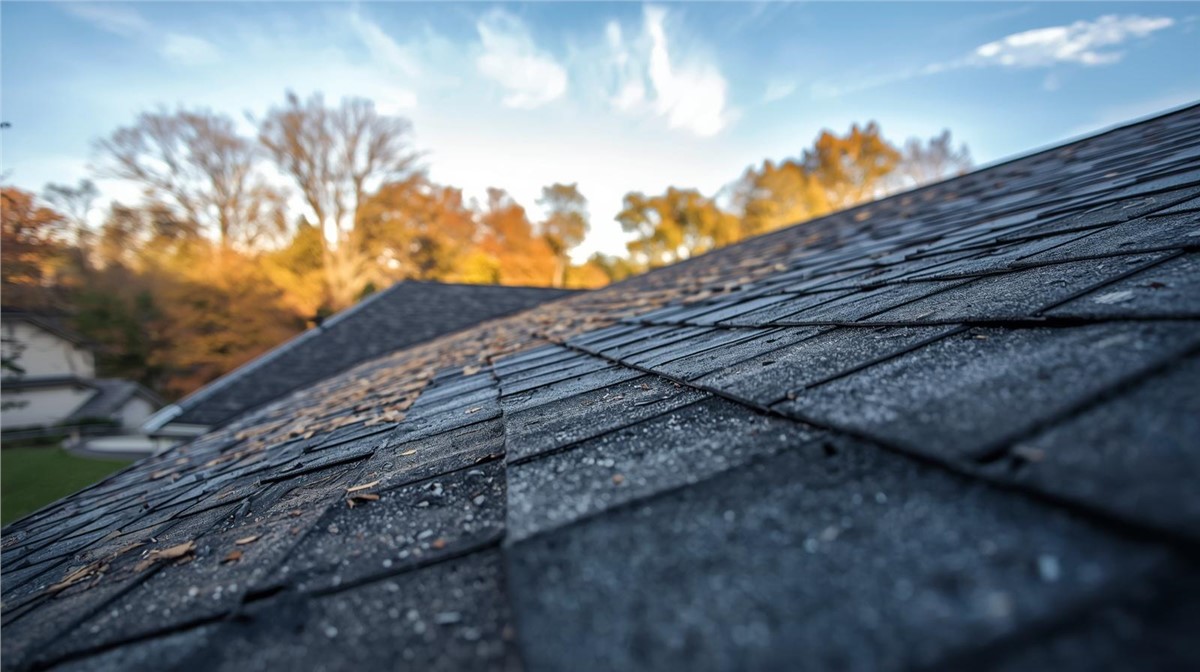
Failing gutters can cause water to back up under shingles, accelerating roof damage and ice dam formation.
Siding
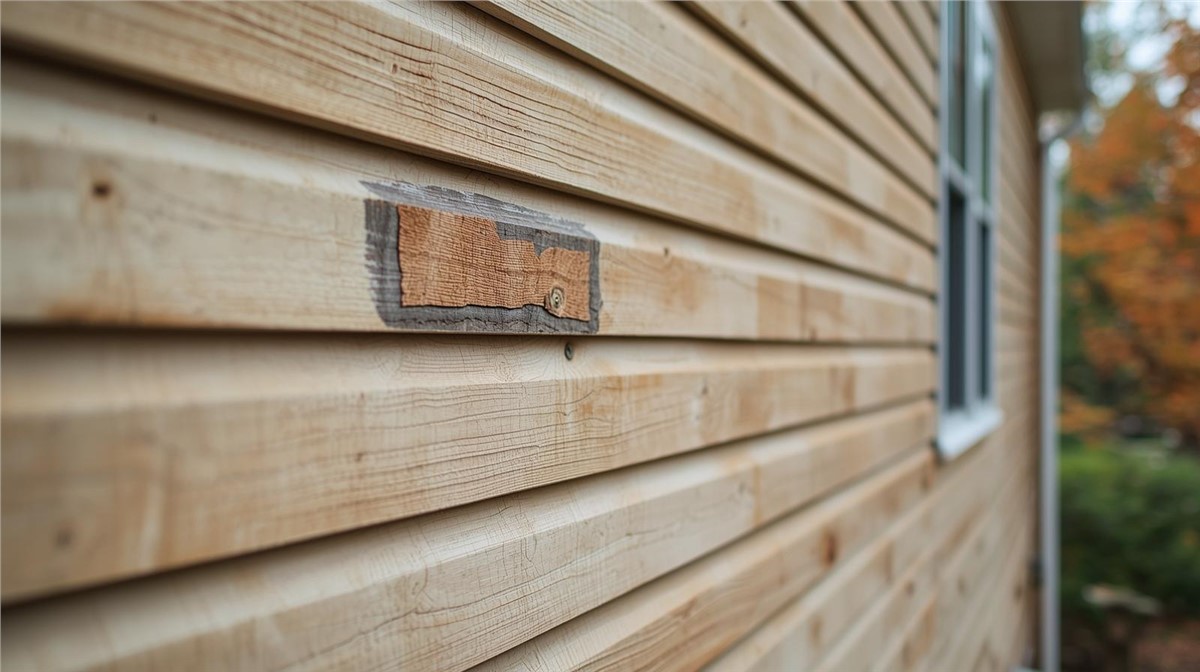
Overflowing gutters saturate siding, increasing the risk of rot, mold, and insulation damage.
Windows
Water cascading over window frames can lead to seal failure, drafts, and interior wall damage.
Evaluating gutters alongside other exterior components ensures problems are addressed at the source.
Best Time to Repair or Replace Gutters in WI & IL
Ideal Seasons
Spring, after snowmelt reveals winter damage
Fall, before leaves drop and winter begins
Addressing issues early prevents emergency repairs during freezing temperatures.
Preventive Maintenance Tips for Midwest Homeowners
Clean gutters at least twice per year
Inspect after major storms
Keep downspouts extended away from the foundation
Watch for ice buildup during winter
Preventive care extends gutter lifespan and protects your home.
Frequently Asked Questions
How long do gutters typically last in the Midwest?
Aluminum gutters often last 20–30 years, depending on maintenance and weather exposure.
Can gutter problems cause basement leaks?
Yes. Poor drainage is a leading cause of basement moisture issues.
Are seamless gutters better for WI & IL homes?
Often, yes. Fewer seams mean fewer leaks, especially during freeze-thaw cycles.
Do gutter guards eliminate maintenance?
No. They reduce debris but still require inspection and occasional cleaning.
Should gutters be replaced when replacing a roof?
Often recommended. Coordinating projects ensures proper alignment and drainage.
A Smart Way to Protect Your Home
In Wisconsin and Illinois, gutters quietly protect some of the most expensive parts of your home—until they fail. Recognizing the early signs of gutter damage allows you to take action before water causes serious problems to your roof, siding, windows, or foundation.
Huskie Exteriors works with homeowners across WI & IL, providing experienced evaluations of gutter systems alongside roofing, siding, and windows. A proactive approach to gutter repair or replacement helps ensure your home stays protected through every Midwest season.
Subscribe to Huskie Exteriors's Blog




Comments