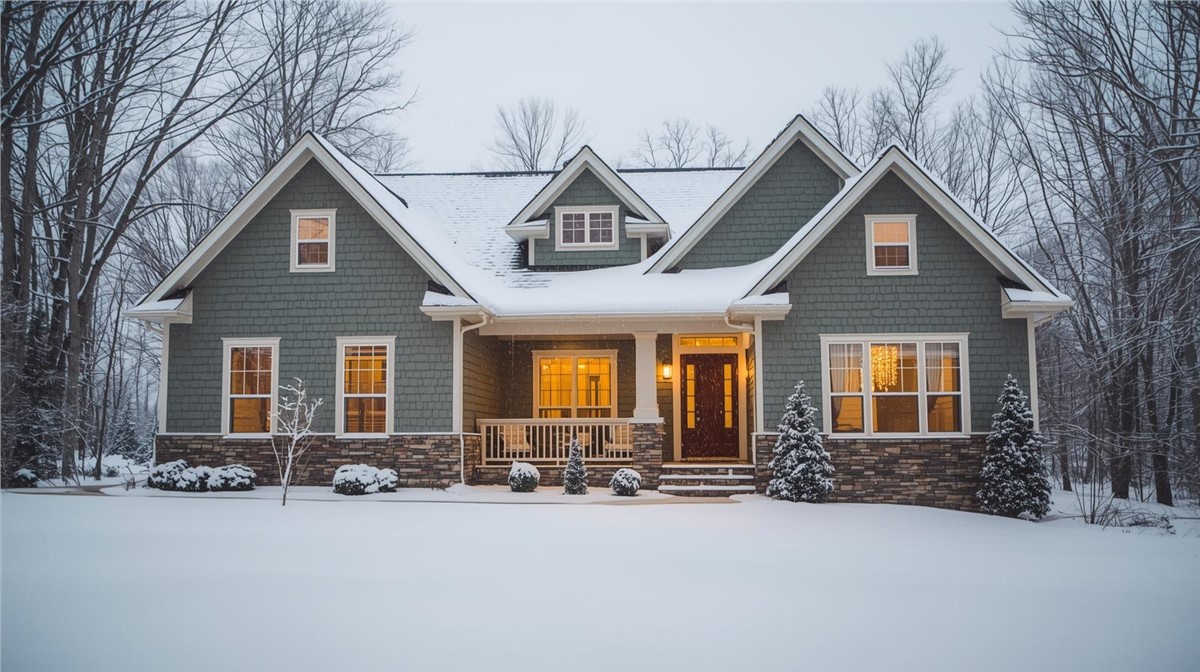
Winters in Wisconsin and Illinois are long, cold, and unforgiving. Heavy snow, ice storms, strong winds, and prolonged freezing temperatures put constant stress on your home’s exterior. Preparing ahead of time isn’t just about comfort—it’s about preventing costly damage that often shows up in late winter or early spring.
Knowing how to prepare your home’s exterior for Midwest winters helps homeowners protect their investment, reduce emergency repairs, and keep their homes performing efficiently through the harshest months of the year. This guide walks through practical, homeowner-focused steps to prepare roofing, siding, windows, and gutters for winter—based on real Midwest conditions.
Why Midwest Winters Demand Exterior Preparation
Homes in Wisconsin and Illinois face challenges that go beyond cold temperatures alone. Winter weather often includes:
Heavy snowfall and drifting
Freeze-thaw cycles that repeat for months
Ice dams and snowmelt runoff
Strong winter winds
Freezing rain and sleet
These conditions expose weaknesses in exterior systems. Preparing before winter helps address small issues before they become major problems.
Start With a Full Exterior Inspection
Before focusing on individual components, take a step back and assess your home’s exterior as a whole.
What to Look For
Visible cracks, gaps, or loose materials
Signs of moisture staining or discoloration
Areas where water may collect or drain poorly
A proactive inspection in early fall gives you time to schedule repairs before temperatures drop.
Preparing Your Roof for Winter Weather
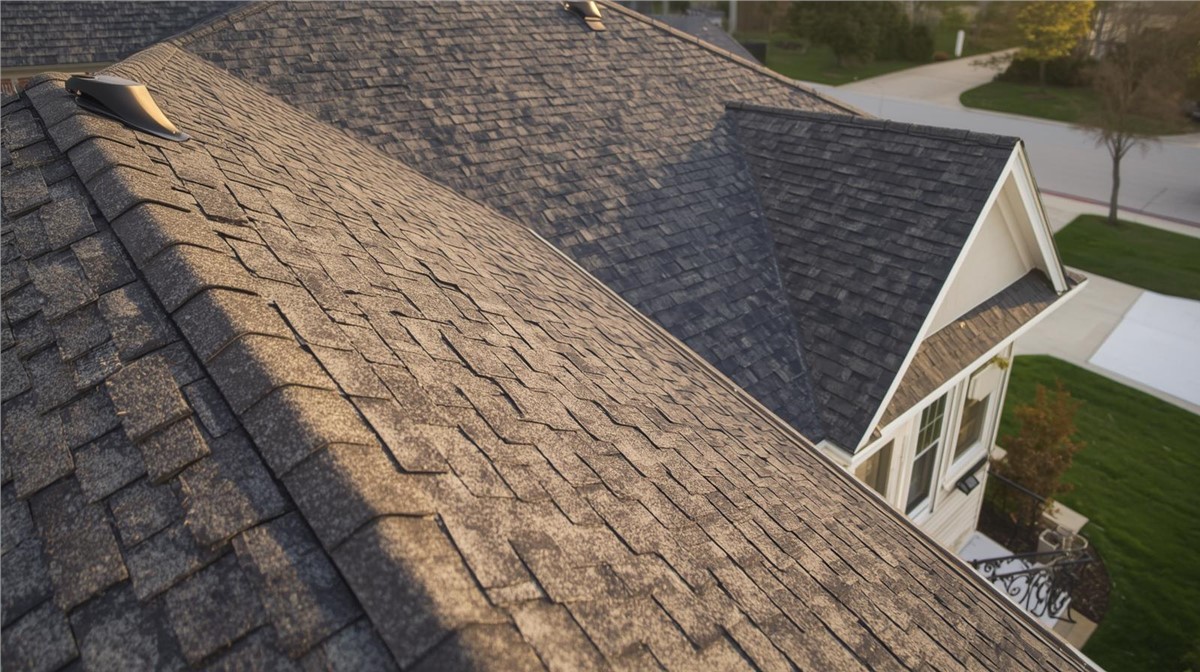
Your roof takes the brunt of Midwest winter conditions and should be a top priority.
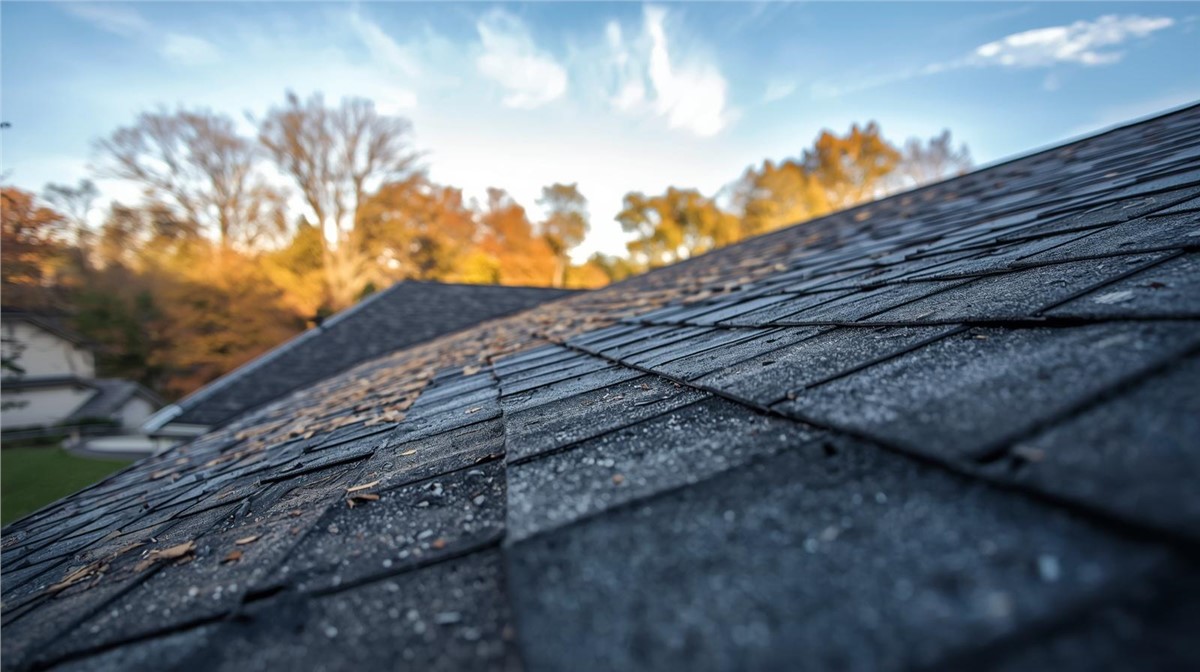
Inspect Shingles and Flashing
Look for:
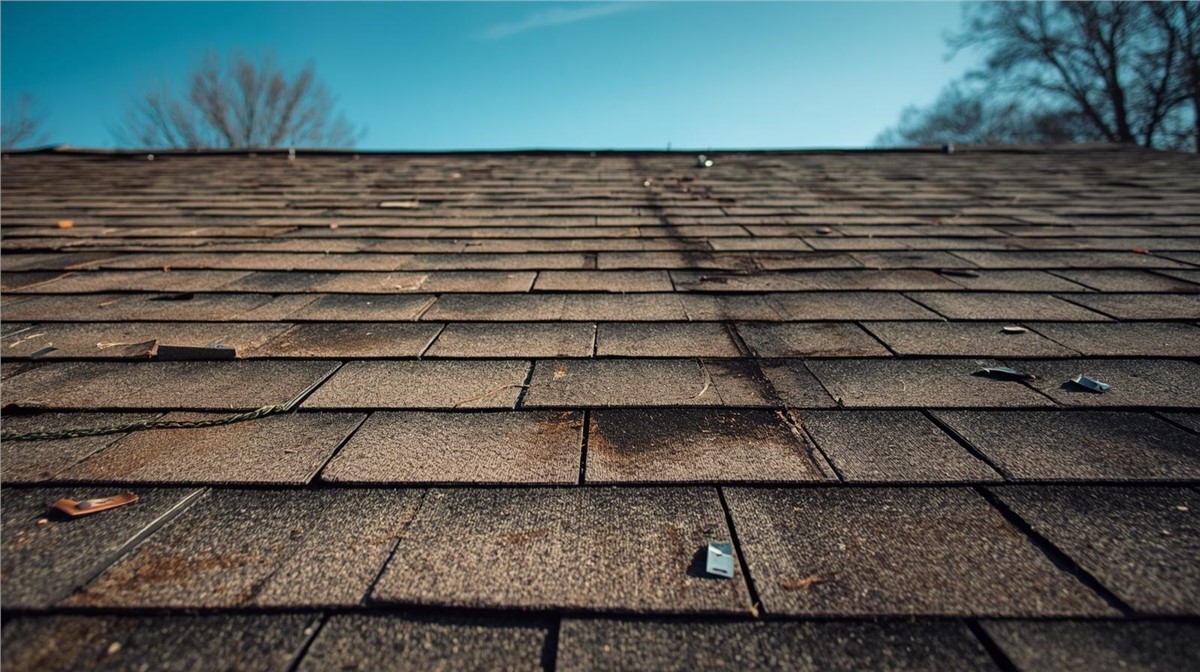
Missing, cracked, or curling shingles
Loose or damaged flashing around chimneys and vents
Exposed nail heads or sealant failure
Even minor roof issues can worsen quickly once snow and ice accumulate.
Address Ice Dam Risk
Ice dams are a common winter problem in Wisconsin and northern Illinois.
Preventive steps include:
Ensuring proper attic insulation
Improving roof ventilation
Sealing air leaks that allow warm air to escape
These measures reduce snowmelt on the roof and limit refreezing at the eaves.
Preparing Gutters and Drainage Systems
Gutters play a critical role in managing snowmelt and winter rain.
Clean and Secure Gutters
Before winter:
Remove leaves, debris, and sediment
Check for sagging or loose sections
Ensure gutters are pitched correctly
Clogged gutters can trap ice and cause water to back up under shingles or behind siding.
Check Downspouts
Downspouts should:
Extend water away from the foundation
Be clear of obstructions
Remain securely attached
Proper drainage reduces the risk of basement leaks and foundation damage during winter thaws.
Protecting Siding From Winter Damage
Siding shields your home from wind, moisture, and temperature extremes.
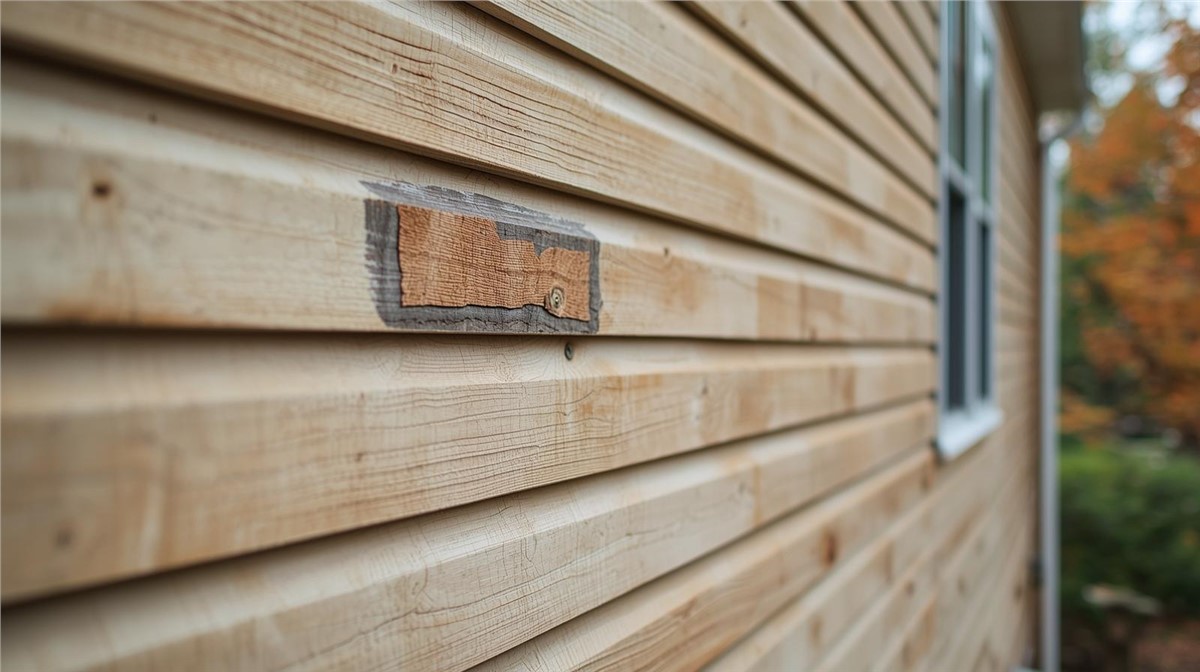
Inspect for Cracks and Gaps
Look closely for:
Cracked or warped panels
Gaps at seams or corners
Loose trim pieces
Freeze-thaw cycles can widen small gaps, allowing moisture behind the siding.
Manage Snow Near Walls
Avoid piling snow against siding, especially near the foundation. Prolonged snow contact increases moisture exposure and raises the risk of rot and mold.
Preparing Windows and Doors for Cold Weather
Windows and doors are common sources of heat loss in winter.
Seal Air Leaks
Check for:
Drafts around frames
Worn weatherstripping
Cracked or deteriorating caulk
Sealing leaks improves comfort and reduces heating costs during long Wisconsin and Illinois winters.
Inspect Glass and Frames
Look for:
Condensation between panes
Rotting or soft window frames
Difficulty opening or closing windows
These issues often worsen during freezing temperatures.
The Role of Insulation and Ventilation
While not always visible, insulation and ventilation directly affect exterior performance.
Why Ventilation Matters
Proper attic ventilation helps:
Regulate roof temperature
Reduce ice dam formation
Control moisture buildup
Poor ventilation often leads to winter roof and siding issues.
Insulation’s Impact
Adequate insulation keeps warm air inside your home, reducing stress on roofing, windows, and siding during extreme cold.
Trim, Fascia, and Soffits: Often Overlooked
Trim components are especially vulnerable to winter damage.
Inspect Vulnerable Areas
Check:
Fascia boards near gutters
Soffit panels for cracks or gaps
Painted trim for peeling or blistering
These areas often show early signs of moisture intrusion after winter.
Tree and Landscaping Preparation
Exterior preparation isn’t limited to your home itself.
Trim Overhanging Branches
Heavy snow and ice can cause branches to break and damage:
Roofing
Gutters
Siding
Trimming trees before winter reduces storm-related risks.
Address Drainage Around the Home
Ensure soil slopes away from the foundation to prevent water pooling during snowmelt.
Coordinating Exterior Systems for Winter Performance
Your home’s exterior works best when systems function together.
Roofing and Gutters
A healthy roof relies on gutters to manage snowmelt and prevent water backup.
Siding and Windows
Proper flashing and sealing keep wind-driven snow and rain from entering wall assemblies.
Whole-System Approach
Addressing only one component may not solve winter problems if other systems are failing.
Common Winter Exterior Problems in WI & IL Homes
Homeowners often encounter these issues after winter:
Ice dams and roof leaks
Cracked siding or trim
Frozen or overflowing gutters
Drafty rooms and high heating bills
Most of these problems are preventable with early preparation.
When to Schedule Winter Prep
Best Time: Early to Mid-Fall
Preparing in fall allows:
Easier scheduling
Safer working conditions
Time to address unexpected issues
Waiting until the first snowfall often limits repair options.
Frequently Asked Questions
How early should I prepare my home for winter?
Early fall is ideal, before temperatures consistently drop below freezing.
Can exterior repairs be done in winter?
Some emergency repairs can be done, but cold weather limits materials and installation quality.
Are ice dams always caused by roofing problems?
Not always. Insulation, ventilation, and air leaks often play a major role.
Should gutters be cleaned even if I have gutter guards?
Yes. Gutter guards reduce debris but still require inspection and maintenance.
Does preparing the exterior really lower energy bills?
Yes. Sealing air leaks and improving system performance reduces heat loss and HVAC strain.
A Proactive Approach to Midwest Winters
Preparing your home’s exterior for winter isn’t about overreacting—it’s about understanding how Midwest weather affects homes and addressing issues before they escalate. Roofs, siding, windows, and gutters all play a role in keeping your home warm, dry, and protected through months of cold and snow.
Huskie Exteriors works with homeowners across Wisconsin and Illinois, offering experience with exterior systems designed for Midwest winters. A thoughtful, proactive approach today can help prevent winter surprises and protect your home for many seasons to come.
Subscribe to Huskie Exteriors's Blog





Comments