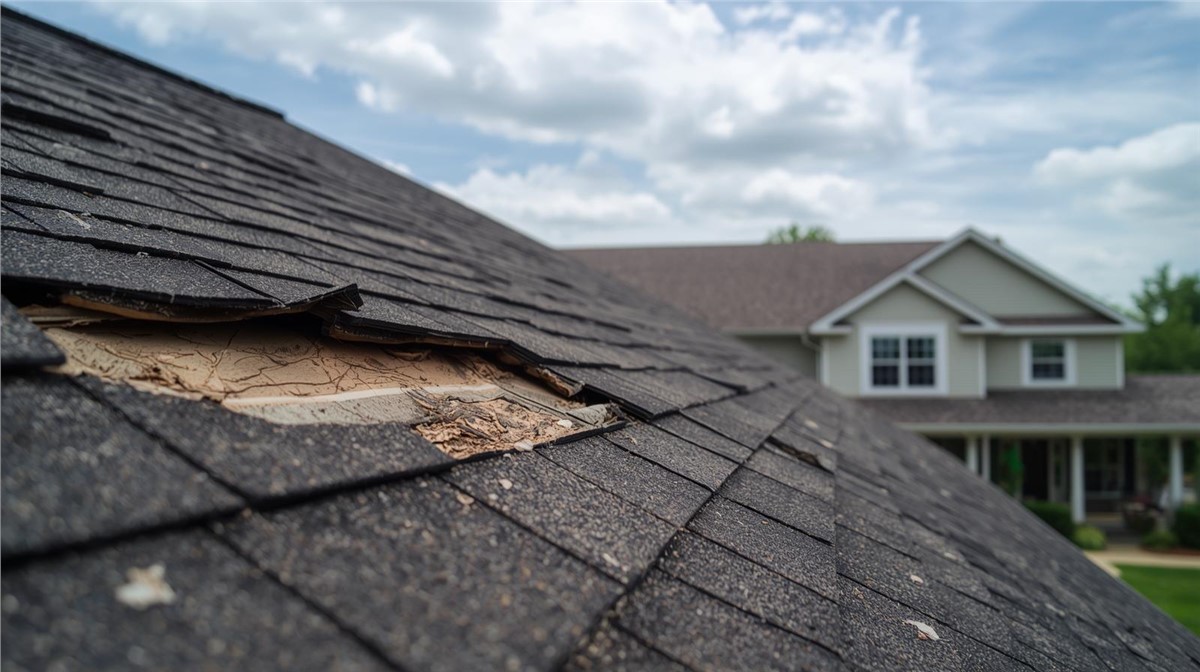
Homeowners in Wisconsin and Illinois know that roofs in the Midwest have a tough job. From heavy snow and ice in winter to spring storms, summer heat, and strong winds year-round, roofing systems here endure constant stress. Over time, that exposure leads to a set of common roofing problems that show up again and again across the region.
Understanding the most frequent roofing issues Midwest homeowners face—and why they happen—can help you spot problems early, plan maintenance wisely, and avoid costly damage to your home’s interior and exterior systems. This guide breaks down the roofing challenges unique to Wisconsin and Illinois, what causes them, and how they connect to siding, windows, and gutters.
Why Midwest Roofs Face More Problems Than Average
Roofs in Wisconsin and Illinois experience conditions that accelerate wear faster than in many other parts of the country:
Prolonged freezing temperatures
Repeated freeze-thaw cycles
Heavy snow loads and ice buildup
Wind-driven rain and hail
Hot summers with intense UV exposure
These forces don’t act in isolation—they compound over time, often turning small issues into major repairs if left unaddressed.
1. Ice Dams and Winter Water Damage
What Ice Dams Are
Ice dams form when heat escapes from the attic, melting snow on the roof. That water refreezes near the eaves, creating a barrier that traps additional meltwater.
Why They’re Common in WI & IL
Long winters and frequent snowfalls make ice dams one of the most common roofing problems in Wisconsin and northern Illinois.
Why They’re Dangerous
Ice dams can:
Force water under shingles
Damage roof decking and insulation
Cause leaks that appear weeks or months later
Even newer roofs can suffer damage if ventilation or insulation is inadequate.
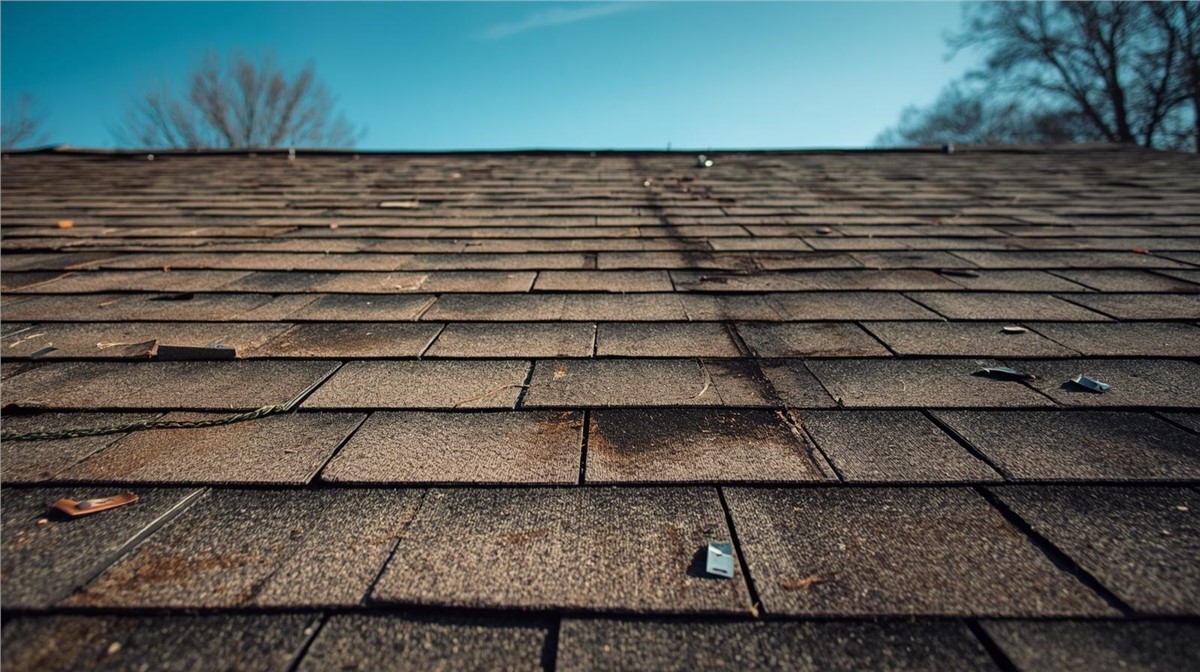
2. Missing, Cracked, or Curling Shingles
Wind and Temperature Stress
High winds during Midwest storms can loosen shingles, while extreme temperature swings cause them to expand, contract, and eventually crack or curl.
Why This Is a Bigger Issue Locally
Cold winters make shingles more brittle, while summer heat dries them out. Over time, this combination shortens shingle lifespan.
What Homeowners Often Miss
Shingles don’t always blow off completely—sometimes they lift just enough to allow water intrusion without being obvious from the ground.
3. Roof Leaks After Heavy Rain or Snowmelt
The Midwest Leak Pattern
Many leaks in Wisconsin and Illinois don’t appear during storms—but after storms, when snow melts or ice thaws.
Common Causes
Failed flashing around chimneys and vents
Aging underlayment
Ice dam damage
Clogged gutters causing water backup
Leaks often travel before becoming visible, making the source harder to identify.
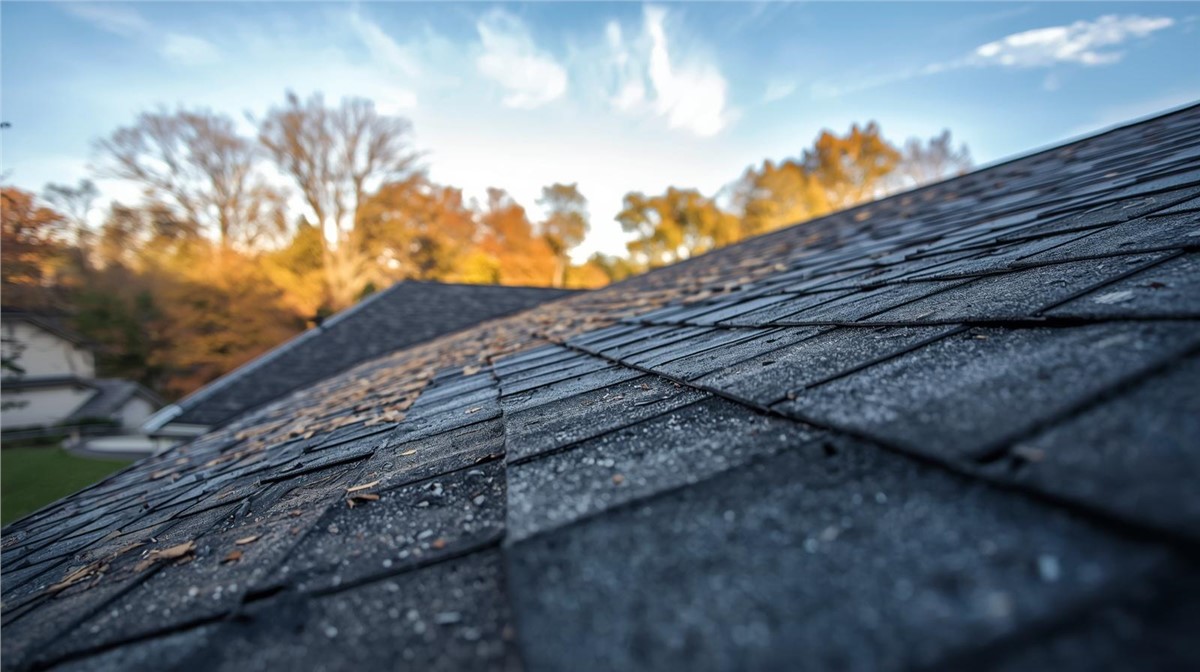
4. Granule Loss and Accelerated Shingle Aging
What Granules Do
Granules protect asphalt shingles from UV damage and help shed water.
Why Granule Loss Is Common
Hail, heavy rain, and temperature extremes loosen granules over time. Homeowners often find them:
In gutters
At the end of downspouts
On the ground near the foundation
Excessive granule loss reduces shingle lifespan and increases vulnerability to leaks.
5. Flashing Failure Around Roof Penetrations
Flashing Is a Critical Weak Point
Chimneys, skylights, plumbing vents, and roof-to-wall transitions rely on flashing to keep water out.
Why Flashing Fails in the Midwest
Sealants dry out in summer heat
Freeze-thaw cycles break down joints
Ice buildup stresses metal components
Flashing issues are one of the most common causes of recurring leaks in WI & IL homes.
6. Poor Ventilation and Attic Moisture Issues
Why Ventilation Matters
Proper attic ventilation helps regulate roof temperature and moisture levels.
Common Midwest Problems
Warm air trapped in the attic melts snow, contributing to ice dams
Moisture buildup leads to mold or rotting roof decking
Shingles age prematurely due to excess heat
Ventilation problems often show up as roofing issues—but originate inside the attic.
7. Storm and Hail Damage
Hail Is a Major Factor in IL & WI
Hailstorms are common across Illinois and parts of Wisconsin, especially in spring and summer.
Hidden Damage Is Common
Hail doesn’t always leave visible holes. It can cause:
Bruising beneath shingles
Microfractures that worsen over time
Accelerated granule loss
This type of damage often leads to leaks months later.
8. Sagging or Uneven Rooflines
What Sagging Indicates
A sagging roofline may signal:
Water-damaged decking
Structural issues from long-term snow load
Improper installation or framing issues
This is not a cosmetic issue—it’s a sign that structural evaluation is needed.
9. Gutter-Related Roofing Problems
How Gutters Affect Roofs
Failing gutters can:
Cause water to back up under shingles
Increase ice dam severity
Saturate fascia boards and roof edges
In Midwest winters, clogged or damaged gutters often worsen roofing issues during thaws.
How Roofing Problems Affect the Rest of Your Exterior
Roofing issues rarely stay isolated.
Siding
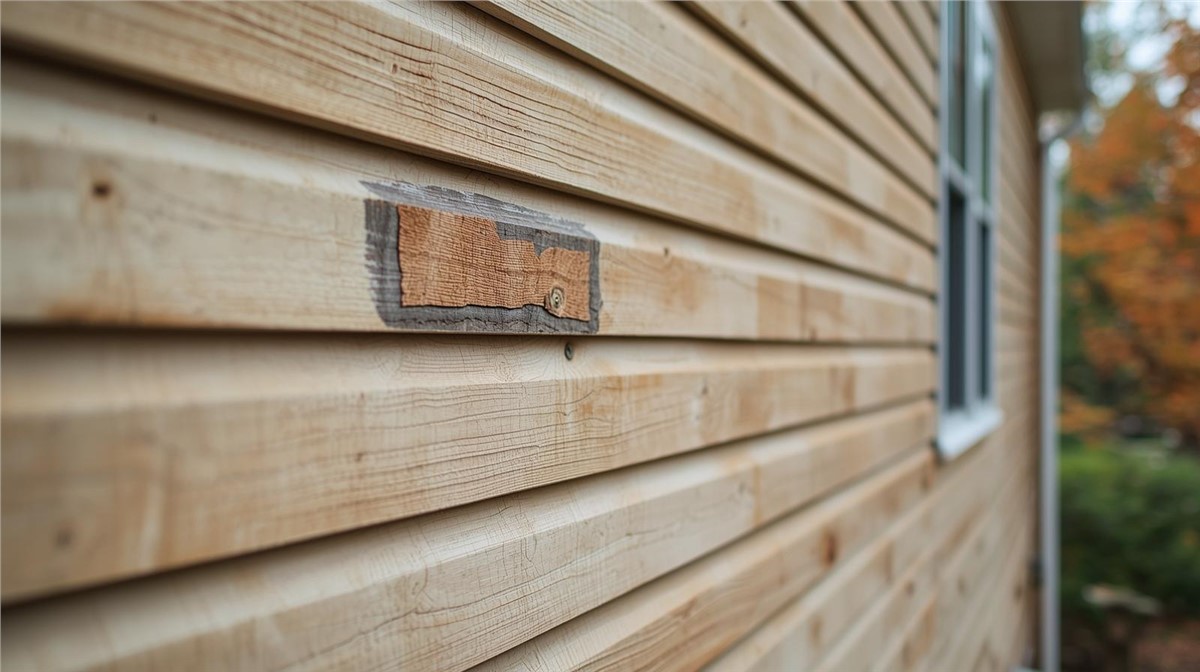
Roof leaks or ice dams can force water behind siding, leading to rot, mold, and insulation damage.
Windows
Water intrusion from above often appears as window leaks or wall stains, even when windows themselves are sound.
Gutters
Roof debris and granules accelerate gutter clogging, compounding drainage issues.
Evaluating roofing as part of a complete exterior system leads to better long-term solutions.
Repair vs. Replacement: A Common Midwest Dilemma
Many Wisconsin and Illinois homeowners face repeated roof repairs due to seasonal damage.
Repairs Make Sense When:
Damage is localized
The roof is relatively young
Issues stem from a specific storm event
Replacement Is Often Better When:
Problems recur every season
The roof is 15–20+ years old
Ice dam or ventilation issues persist
Storm damage is widespread
In harsh Midwest climates, replacement often provides better long-term value once a roof reaches a certain age.
Preventive Steps Homeowners Can Take
While you can’t control Midwest weather, you can reduce roofing problems by:
Scheduling annual inspections
Addressing minor damage promptly
Keeping gutters clean and functional
Ensuring proper attic insulation and ventilation
Inspecting after major storms
Proactive care helps extend roof life and reduce emergency repairs.
Frequently Asked Questions
How often should roofs be inspected in Wisconsin and Illinois?
At least once per year and after major storms involving hail, wind, or heavy snow.
Are ice dams always caused by roofing problems?
Not always. Insulation, ventilation, and air leaks often play a major role.
Can roofing problems cause interior mold?
Yes. Moisture intrusion from roof leaks can lead to mold growth inside walls and ceilings.
Do newer roofs still have problems in the Midwest?
They can, especially if ventilation or installation details aren’t optimized for local conditions.
Is it risky to delay roof repairs?
Yes. Small issues often worsen quickly due to freeze-thaw cycles and storms.
Staying Ahead of Roofing Problems in the Midwest
Roofing problems are common in Wisconsin and Illinois—not because homes are poorly built, but because the climate is demanding. Knowing what issues to watch for and how they develop allows homeowners to act early, protect their investment, and avoid costly surprises.
Huskie Exteriors works with homeowners across WI & IL, bringing hands-on experience with roofing, siding, windows, and gutters designed for Midwest conditions. A thoughtful inspection and proactive approach can help keep your roof—and your entire exterior—performing reliably through every season.
Subscribe to Huskie Exteriors's Blog




Comments