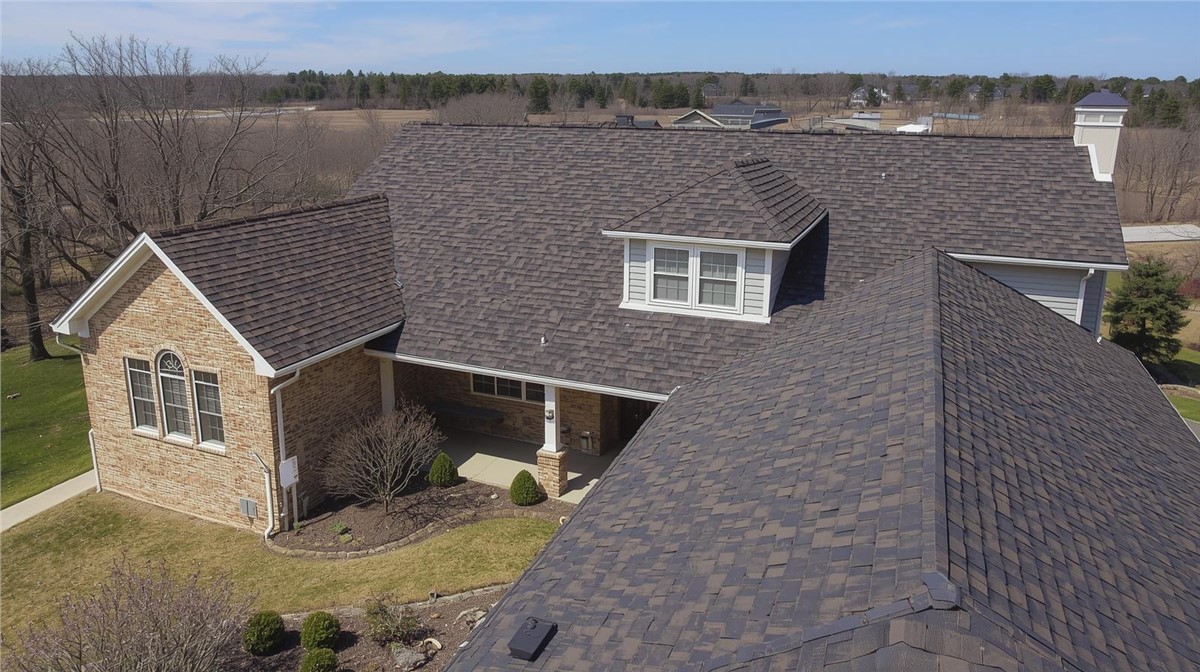
Choosing the right roofing material is one of the most important decisions homeowners in Wisconsin and Illinois will make. A roof isn’t just about appearance—it’s a critical system designed to withstand snow, ice, wind, hail, heavy rain, and wide temperature swings year after year. What works well in milder climates doesn’t always hold up in the Midwest.
So, what is the best roofing material for Wisconsin & Illinois homes? The answer depends on how different materials perform under Midwest conditions, your home’s structure, and your long-term goals. This guide breaks down the most common roofing options used across WI & IL, how they handle regional weather, and what homeowners should consider before choosing.
Why Roofing Material Choice Matters in the Midwest
Homes in Wisconsin and Illinois face a unique mix of environmental stressors that directly impact roofing performance:
Prolonged freezing temperatures
Heavy snow loads and ice buildup
Freeze-thaw cycles that weaken materials
High winds and hail during storms
Hot summers with strong UV exposure
These factors shorten roof lifespan if materials aren’t suited for the climate. The “best” roofing material is one that balances durability, weather resistance, and long-term value under Midwest conditions.
What Makes a Roofing Material Midwest-Ready?
Before comparing options, it helps to understand the qualities that matter most for WI & IL homes.
The best roofing materials typically offer:
Strong resistance to moisture and ice
Durability under freeze-thaw cycles
Wind resistance for severe storms
Reliable performance during snow accumulation
Compatibility with proper ventilation and gutters
No roofing material is perfect, but some are clearly better suited for Midwest weather than others.
Asphalt Shingles: The Most Common Choice
Why Asphalt Is Popular in WI & IL
Asphalt shingles are the most widely used roofing material in Wisconsin and Illinois due to affordability and versatility.
Advantages:
Cost-effective upfront
Available in many styles and colors
Easier to repair than many alternatives
Suitable for most residential roof designs
Midwest Performance Considerations
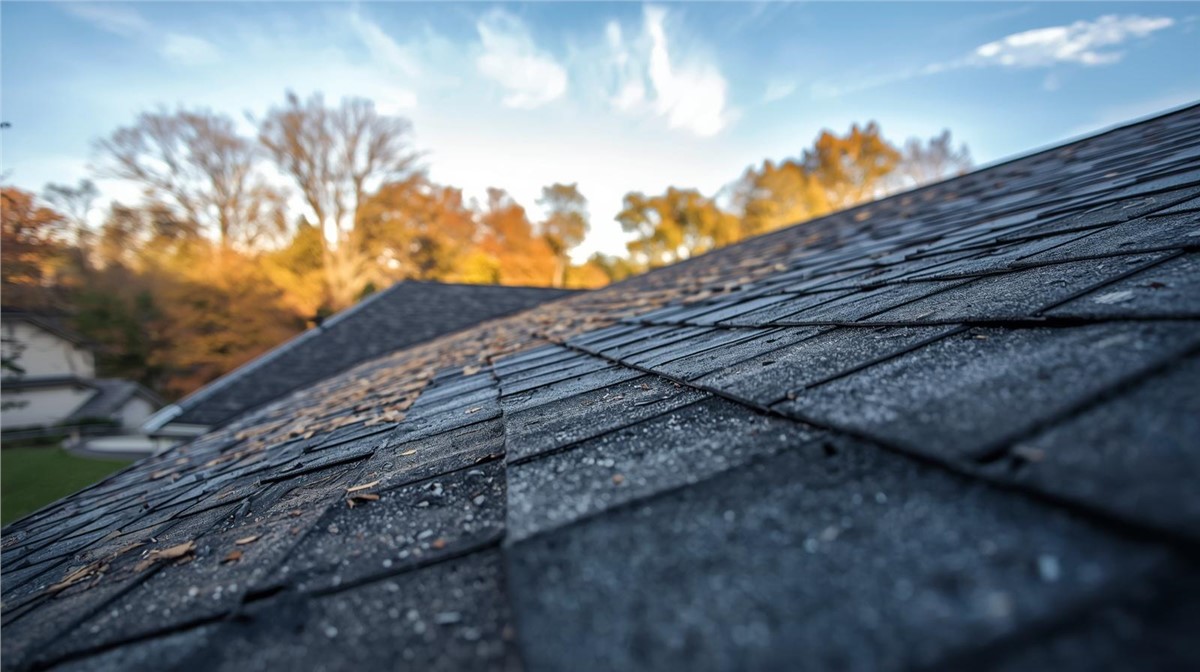
Standard three-tab shingles typically last 15–20 years in Midwest conditions. Architectural (dimensional) shingles perform better, offering:
Improved wind resistance
Thicker construction
Better durability during temperature swings
Asphalt performs best when paired with proper ventilation and ice-and-water shielding—critical in Wisconsin and Illinois.
Best for: Homeowners seeking affordability and solid performance with proper installation.
Architectural (Dimensional) Shingles: A Step Up
Architectural shingles are a premium asphalt option and one of the most common upgrades for Midwest homes.
Why They Perform Better
Thicker and more durable than basic asphalt
Better resistance to wind uplift
Improved lifespan (often 20–30 years in WI & IL)
These shingles handle freeze-thaw cycles and storm exposure better than entry-level options.
Best for: Homeowners wanting improved durability and appearance without moving to specialty materials.
Metal Roofing: Excellent for Snow and Longevity
Metal roofing is increasingly popular across Wisconsin and Illinois, especially in areas with heavy snowfall.
Midwest Advantages
Snow sheds easily, reducing ice dam risk
Extremely durable and long-lasting (40–70 years)
Resistant to wind, fire, and moisture
Performs well in both cold winters and hot summers
Considerations
Higher upfront cost
Requires experienced installation
Noise concerns are minimal with proper insulation
Metal roofing can significantly outperform asphalt in harsh Midwest climates when properly installed.
Best for: Homeowners prioritizing longevity, snow performance, and long-term value.
Synthetic and Composite Roofing Materials
Synthetic roofing materials are designed to mimic slate or shake while improving durability.
Performance in Midwest Weather
Resistant to cracking during freeze-thaw cycles
Lighter weight than natural slate or wood
Good impact resistance for hail-prone areas
Trade-Offs
Higher cost than asphalt
Quality varies by manufacturer
Best for: Homeowners wanting premium aesthetics with improved weather resistance.
Cedar Shake and Wood Roofing: Traditional but Challenging
Wood roofing offers natural beauty but comes with challenges in Midwest climates.
Midwest Concerns
Vulnerable to moisture, rot, and insects
Requires frequent maintenance
Snow and ice exposure accelerate deterioration
While still used in some areas, wood roofing generally struggles in Wisconsin and Illinois without diligent upkeep.
Best for: Homeowners committed to maintenance and traditional aesthetics.
Slate Roofing: Durable but Not Always Practical
Slate is one of the longest-lasting roofing materials available.
Pros
Exceptional durability
Resistant to moisture and temperature extremes
Lifespan of 75–100+ years
Cons
Very high cost
Heavy weight requiring structural reinforcement
Repairs require specialized expertise
Best for: Homes designed to support slate and owners prioritizing longevity over cost.
How Roofing Material Affects Other Exterior Systems
Roofing material choice impacts more than just the roof.
Gutters
Snow-shedding materials like metal require well-designed gutter systems to manage rapid snowmelt.
Siding
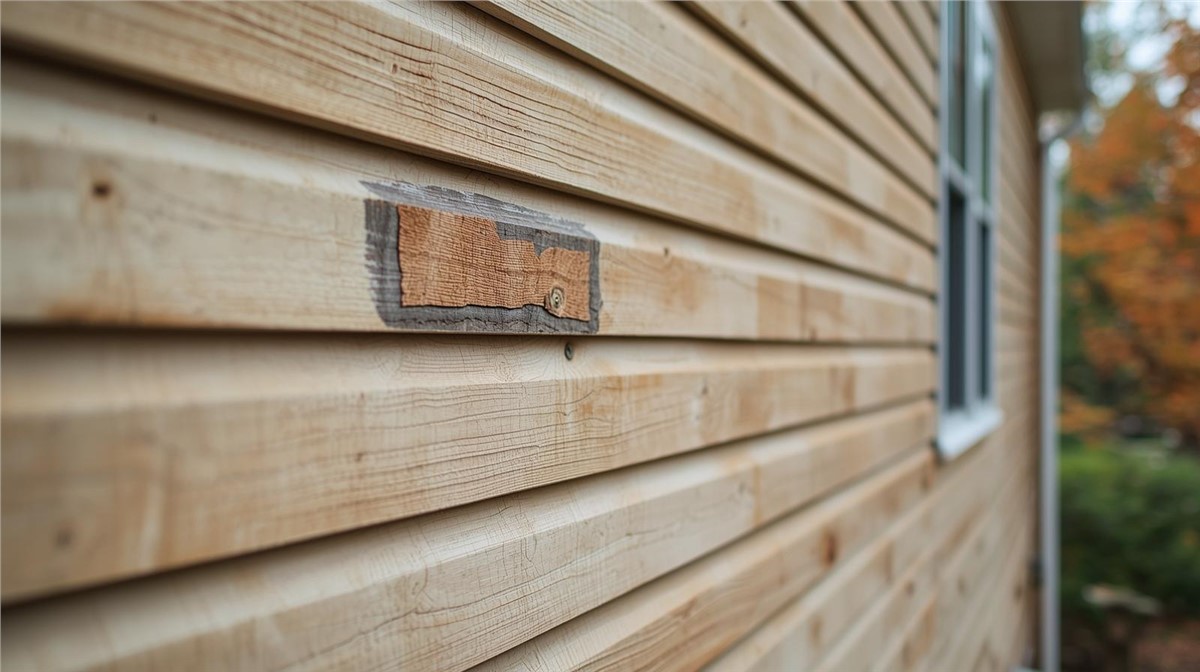
Roof edges and flashing must work with siding to prevent moisture intrusion during storms and winter thaws.
Windows
Proper roof overhangs and flashing protect windows from wind-driven rain and snow.
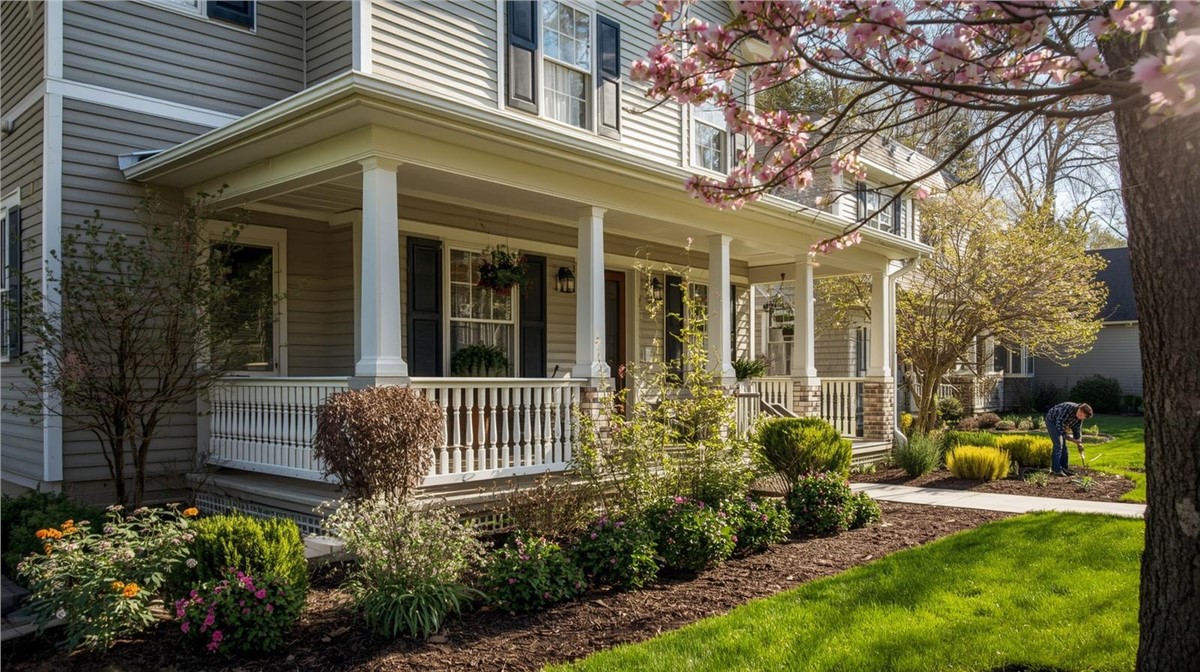
Choosing the right roofing material includes considering how it integrates with the rest of your exterior.
Ice Dams, Ventilation, and Material Choice
Even the best roofing material can fail if ventilation and insulation are inadequate.
Why Ventilation Matters
Proper attic ventilation:
Regulates roof temperature
Reduces ice dam formation
Extends shingle lifespan
Material choice should always be paired with proper system design for Midwest conditions.
Cost vs. Value: Thinking Long-Term
Short-Term Cost
Asphalt shingles remain the most affordable option upfront.
Long-Term Value
Metal, architectural shingles, and premium materials often provide better value over time due to:
Longer lifespan
Fewer repairs
Improved energy performance
For many WI & IL homeowners, balancing upfront budget with long-term durability leads to better outcomes.
Best Roofing Material by Midwest Priority
Best overall value: Architectural asphalt shingles
Best for snow-heavy areas: Metal roofing
Best for longevity: Metal or slate
Best budget option: Standard asphalt shingles
Best for premium appearance: Synthetic or slate
The “best” material ultimately depends on your priorities, home design, and exposure to weather.
Frequently Asked Questions
What roofing material lasts longest in Wisconsin & Illinois?
Metal and slate roofs typically last the longest, often several decades longer than asphalt.
Is metal roofing noisy during storms?
With proper installation and insulation, noise is minimal and comparable to other materials.
Do architectural shingles really perform better in the Midwest?
Yes. Their thickness and wind resistance make them better suited for Midwest weather than basic shingles.
Can roofing material help prevent ice dams?
Material helps, but insulation, ventilation, and design play a larger role.
Should roofing be replaced at the same time as gutters?
Often recommended to ensure proper drainage and protect new roofing materials.
Choosing the Right Roofing Material for Your Home
There is no one-size-fits-all answer when it comes to roofing in Wisconsin and Illinois. The best roofing material is one that aligns with your home’s design, your budget, and the realities of Midwest weather—while working seamlessly with siding, windows, and gutters.
Huskie Exteriors works with homeowners across WI & IL, bringing experience with roofing systems designed specifically for Midwest conditions. With the right material choice and a well-planned installation, your roof can provide reliable protection and peace of mind for decades to come.
Subscribe to Huskie Exteriors's Blog




Comments