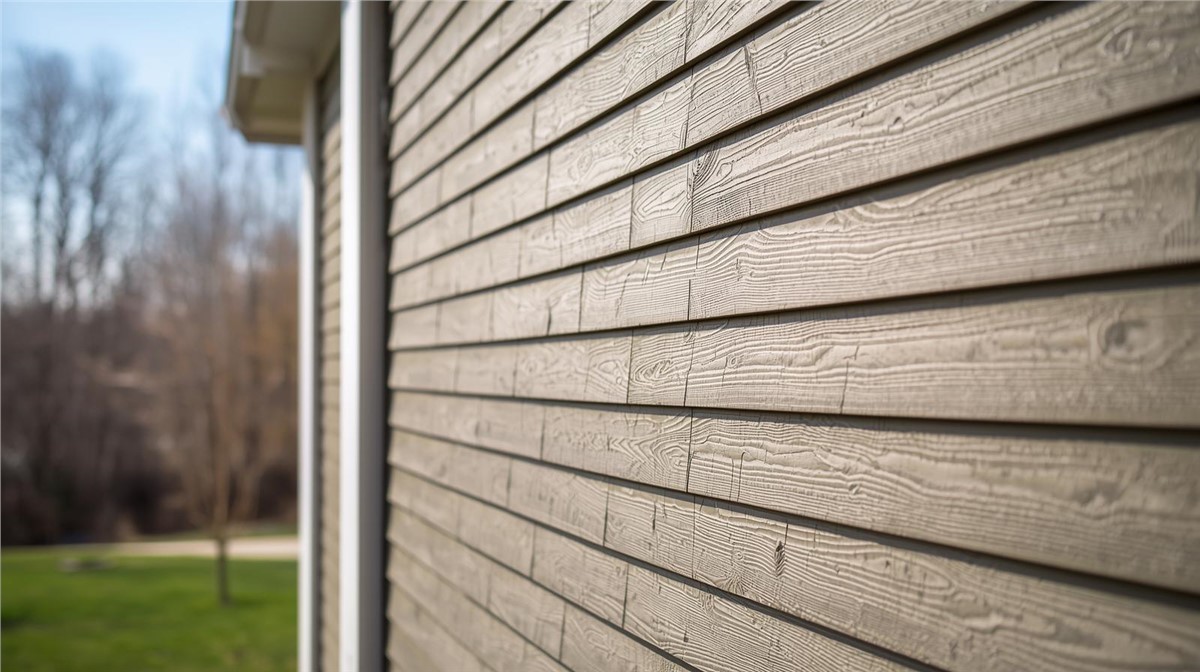
If you’re a homeowner in Wisconsin or Illinois, siding isn’t just about curb appeal—it’s a critical layer of protection against some of the toughest weather conditions in the country. From long, freezing winters and heavy snow to humid summers, high winds, and severe storms, Midwest weather puts siding to the test year after year.
So, how long does siding last in Wisconsin & Illinois? The answer depends on the siding material, installation quality, maintenance, and how well your home manages moisture and temperature extremes. This guide breaks down the average lifespan of common siding types in the Midwest, what shortens or extends that lifespan, and how siding works with roofing, windows, and gutters to protect your home long term.
Why Siding Lifespan Is Shorter in the Midwest
Siding in WI & IL typically doesn’t last as long as it might in milder regions. That’s because it must endure:
Prolonged freezing temperatures
Repeated freeze-thaw cycles
Heavy snow accumulation and snowmelt
Wind-driven rain and hail
Hot, humid summers and UV exposure
These conditions cause materials to expand, contract, absorb moisture, and slowly degrade. Even well-installed siding ages faster under Midwest stress.
Average Siding Lifespan by Material in Wisconsin & Illinois
Different siding materials perform very differently in Midwest conditions. Below is a realistic look at how long common siding types last in WI & IL homes—not just manufacturer claims.
Vinyl Siding
Average Lifespan in the Midwest
20–40 years, depending on quality and installation
Why Vinyl Performs Well
Vinyl siding is one of the most common choices in Wisconsin and Illinois because it:
Resists moisture and rot
Handles snow and rain well
Requires minimal maintenance
Midwest Challenges
Lower-quality vinyl can become brittle in extreme cold and may crack during harsh winters. Poor installation—especially improper nailing or lack of expansion gaps—often leads to warping or buckling during summer heat.
Lifespan Tip: Thicker, premium vinyl installed correctly typically lasts much longer in freeze-thaw conditions.
Insulated Vinyl Siding
Average Lifespan
25–40+ years
Insulated vinyl adds a rigid foam backing that improves durability and energy efficiency.
Why It Lasts Longer
Better resistance to wind damage
Reduced expansion and contraction
Added thermal protection during cold winters
For many older WI & IL homes, insulated vinyl helps stabilize indoor temperatures while extending siding lifespan.
Fiber Cement Siding
Average Lifespan in WI & IL
30–50 years
Fiber cement is one of the most durable siding options for Midwest weather.
Strengths in Harsh Climates
Highly resistant to moisture and rot
Performs well during freeze-thaw cycles
Not affected by insects
Handles wind-driven rain effectively
What Shortens Its Life
Improper installation or inadequate clearance from the ground can allow moisture intrusion. When installed correctly, fiber cement holds up exceptionally well in Wisconsin and Illinois.
Engineered Wood Siding
Average Lifespan
20–30+ years
Engineered wood is designed to improve on traditional wood siding by enhancing moisture resistance.
Midwest Performance
More stable than natural wood
Lighter than fiber cement
Performs well in wind and snow when sealed properly
However, prolonged moisture exposure from snow buildup or clogged gutters can still shorten its lifespan.
Natural Wood Siding
Average Lifespan in the Midwest
15–30 years, highly maintenance-dependent
Challenges in WI & IL
Wood siding struggles with:
Moisture from snow and ice
Freeze-thaw cycles
Insects and rot
High maintenance demands
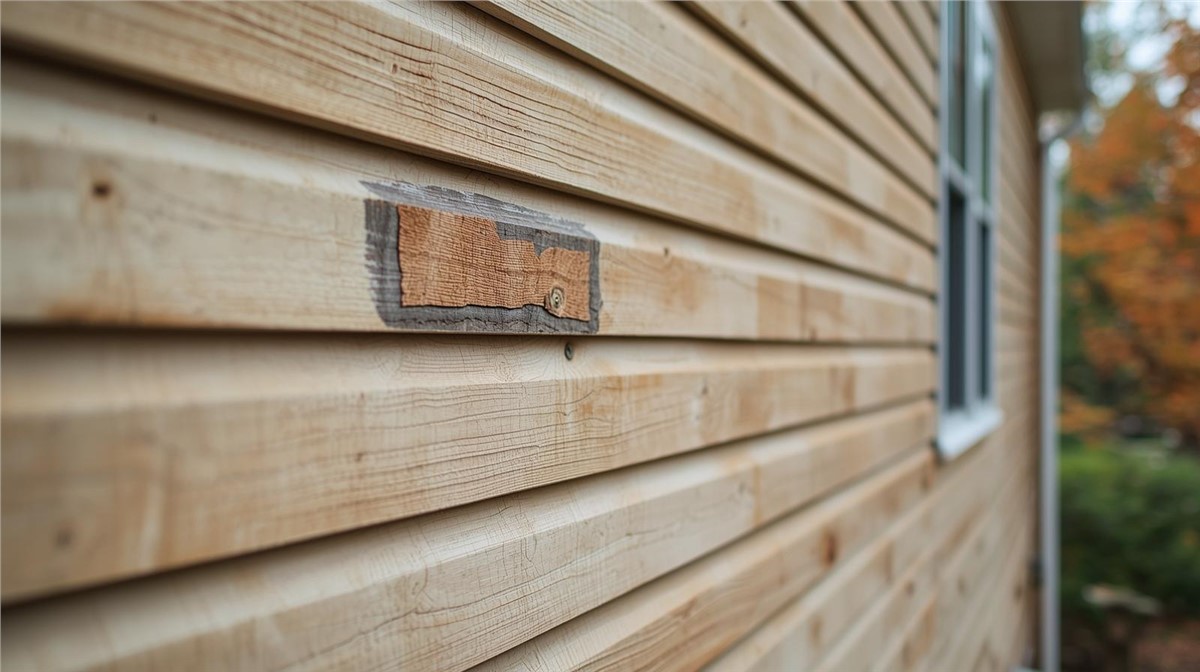
Without consistent painting or staining, wood siding often deteriorates faster in Midwest climates.
Metal Siding (Steel or Aluminum)
Average Lifespan
40–50+ years
Metal siding is gaining popularity in parts of Wisconsin and Illinois due to its durability.
Why It Lasts
Excellent resistance to snow and ice
Strong wind resistance
Low maintenance
Non-combustible
Considerations
Metal can dent from hail, and proper insulation is important to prevent condensation. When installed correctly, metal siding is one of the longest-lasting options in the Midwest.
Brick and Stone Veneer
Average Lifespan
50+ years
Brick and stone veneer offer excellent durability but require proper drainage systems.
Midwest Considerations
Highly resistant to temperature extremes
Minimal maintenance
Long lifespan
However, moisture issues behind veneer can shorten lifespan if flashing or drainage is inadequate.
Factors That Shorten Siding Lifespan in WI & IL
Even durable materials can fail early due to common Midwest issues.
Freeze-Thaw Damage
Water that enters cracks freezes and expands, slowly worsening damage each winter.
Poor Drainage
Failing gutters or short downspouts allow water to saturate siding and wall assemblies—especially during snowmelt.
Wind-Driven Rain
Storms in Wisconsin and Illinois often force water behind siding if flashing or house wrap is compromised.
Improper Installation
Incorrect fastening, missing flashing, or poor moisture barriers significantly reduce siding lifespan.
How Siding Works With Roofing, Windows, and Gutters
Siding longevity is closely tied to other exterior systems.
Roofing
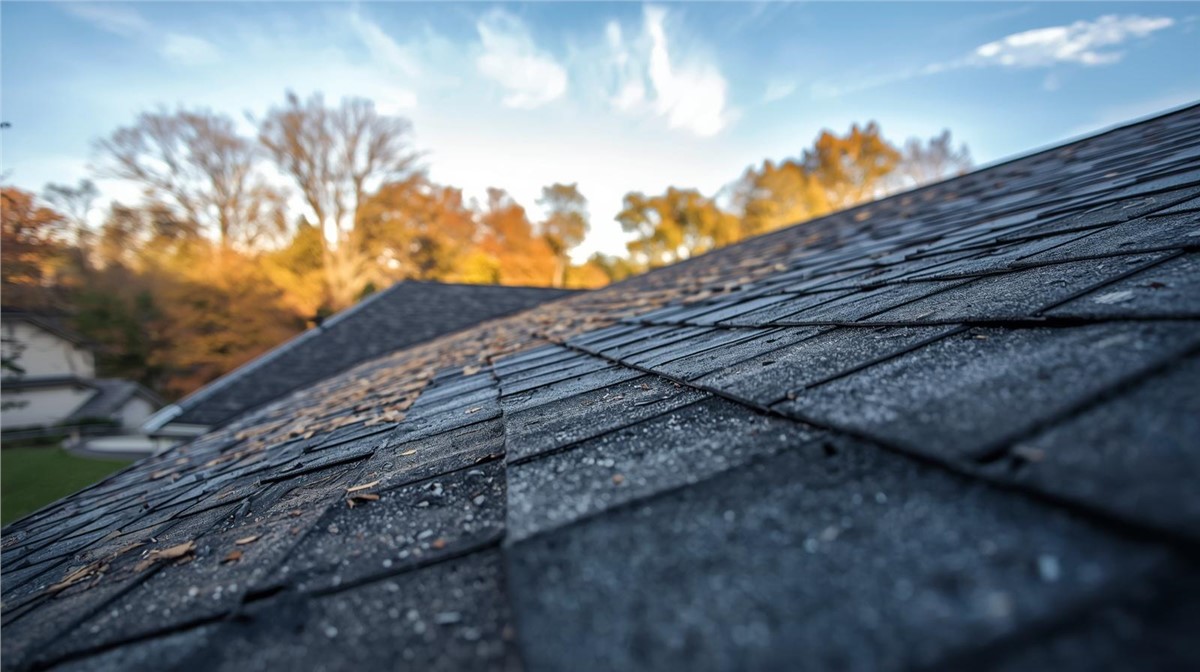
Ice dams and roof leaks can force water behind siding, leading to hidden rot and insulation damage.
Windows
Improperly sealed windows allow moisture and air infiltration that accelerates siding deterioration.
Gutters
Overflowing or clogged gutters are one of the most common causes of premature siding failure in the Midwest.
Evaluating siding as part of a complete exterior system leads to more accurate lifespan expectations.
Signs Your Siding May Be Nearing the End of Its Life
Regardless of material, watch for:
Cracking, warping, or buckling
Frequent moisture stains or mold growth
Rising energy bills due to air leakage
Repeated repairs after storms
Rot or soft spots near the foundation
These signs often indicate the siding system—not just individual panels—is failing.
Can Maintenance Extend Siding Life?
Yes—especially in Midwest climates.
Helpful Maintenance Steps
Clean siding annually to remove debris and mold
Keep gutters clear and downspouts extended
Avoid piling snow against exterior walls
Inspect after major storms
Address small cracks or gaps promptly
Proactive maintenance can add years to siding lifespan.
Repair vs. Replacement: Timing Matters
Repairs may be effective when damage is isolated and siding is relatively young. Replacement is often the better choice when:
Damage is widespread
Moisture issues are recurring
Siding is near the end of its expected lifespan
Energy efficiency has noticeably declined
In WI & IL, replacing siding on your timeline is far less stressful than dealing with emergency repairs after winter damage.
Frequently Asked Questions
What siding lasts the longest in Wisconsin and Illinois?
Fiber cement, metal, and brick veneer typically last the longest in Midwest conditions.
Does insulated siding really last longer?
Often, yes. Added rigidity reduces movement and weather-related stress.
Can siding last longer than manufacturer warranties?
Yes. With proper installation and maintenance, many siding materials exceed warranty periods.
Is winter hard on siding even if there’s no visible damage?
Yes. Freeze-thaw cycles and hidden moisture can cause damage that appears later.
Should siding be replaced with windows or roofing?
Often recommended. Coordinating projects improves flashing integration and moisture control.
Planning for the Long Term
Siding lifespan in Wisconsin and Illinois depends on more than just material choice—it’s influenced by weather exposure, installation quality, maintenance, and how well your exterior systems work together. Understanding realistic lifespans helps homeowners plan proactively rather than react to damage after it occurs.
Huskie Exteriors works with homeowners across WI & IL, bringing experience in siding, roofing, windows, and gutters designed for Midwest conditions. With the right materials and a thoughtful approach, your siding can protect your home reliably for decades to come.
Subscribe to Huskie Exteriors's Blog




Comments