Energy costs are a year-round concern for homeowners in Wisconsin and Illinois. Long, cold winters drive up heating bills, while hot, humid summers strain air conditioning systems. In many homes, windows are one of the biggest sources of energy loss—often without homeowners realizing it.
Understanding how energy-efficient windows save money in WI & IL can help you make smarter decisions about comfort, efficiency, and long-term home value. This guide explains how modern windows perform in Midwest conditions, where older windows fall short, and how window upgrades work alongside roofing, siding, and gutters to reduce energy waste.
Why Windows Matter So Much in the Midwest
The Midwest’s climate is defined by extremes. Homes in Wisconsin and Illinois must handle:
Subzero winter temperatures and strong winds
Snow, ice, and freeze-thaw cycles
Hot summers with high humidity
Rapid seasonal temperature changes
Windows sit at the intersection of all these forces. When they’re outdated or poorly sealed, they allow heat to escape in winter and enter in summer—forcing HVAC systems to work harder and driving up utility bills.
How Older Windows Lose Energy
Many homes across WI & IL still have windows installed decades ago, before modern efficiency standards were common.
Air Leakage and Drafts
Over time, window frames warp, seals fail, and weatherstripping deteriorates. This allows cold winter air to enter and warm air to escape, creating drafts and uneven temperatures throughout the home.
Poor Insulation Value
Single-pane or early double-pane windows offer limited insulation. During winter, heat transfers easily through the glass; during summer, solar heat pours in.
Condensation and Moisture Issues
When warm indoor air meets cold glass, condensation forms. This moisture can:
Damage window frames
Lead to mold growth
Reduce insulation effectiveness
These issues often worsen during Wisconsin winters and Illinois’s humid shoulder seasons.
What Makes a Window Energy-Efficient?
Energy-efficient windows are designed to minimize heat transfer, control air leakage, and manage moisture—critical features for Midwest homes.
Multiple Glass Panes
Double- and triple-pane windows create insulating air spaces that slow heat movement. Triple-pane options are especially beneficial in colder northern Wisconsin climates.
Low-E Glass Coatings
Low-emissivity (Low-E) coatings reflect heat while allowing natural light in:
Keeps heat inside during winter
Reduces solar heat gain in summer
Gas Fills
Argon or krypton gas between panes improves insulation without affecting visibility.
Quality Frames
Vinyl, fiberglass, and composite frames resist warping and provide better insulation than older aluminum frames.
How Energy-Efficient Windows Reduce Heating Costs
Retaining Warm Air in Winter
In Wisconsin and northern Illinois, heating accounts for a significant portion of annual energy costs. Energy-efficient windows help by:
Reducing drafts
Maintaining consistent indoor temperatures
Allowing HVAC systems to cycle less frequently
Homeowners often notice fewer cold spots near windows immediately after replacement.
Supporting Insulation Performance
Even well-insulated walls lose effectiveness if windows allow air leakage. New windows help maintain the integrity of your home’s thermal envelope.
How Energy-Efficient Windows Lower Cooling Costs
Blocking Excess Solar Heat
During summer, inefficient windows allow sunlight to heat interior spaces, increasing cooling demand. Low-E coatings help reflect heat while still allowing daylight.
Reducing Humidity Strain
By maintaining better seals, modern windows limit humid air infiltration—important during muggy Illinois summers.
Improving Comfort
Rooms with energy-efficient windows stay cooler and more consistent, reducing the need to overwork air conditioning systems.
Year-Round Savings: More Than Just Utilities
Fewer HVAC Repairs
When heating and cooling systems don’t have to work as hard, wear and tear decreases—potentially reducing repair and replacement costs.
Increased Home Value
Energy-efficient upgrades are attractive to buyers and can improve resale appeal, especially in Midwest markets where utility costs are a major consideration.
Long-Term Predictability
While window replacement is an investment, energy savings accumulate year after year—providing more predictable household expenses.
The Midwest Factor: Why Installation Quality Matters
Even the most efficient window won’t perform well if installed improperly.
Proper Sealing and Flashing
Midwest storms often bring wind-driven rain. Proper flashing and sealing prevent moisture intrusion that can compromise insulation and wall assemblies.
Accounting for Freeze-Thaw Cycles
Windows must be installed to allow for expansion and contraction. Poor installation can lead to gaps, cracking, or seal failure during extreme temperature swings.
This is why experience with Midwest-specific conditions is critical.
How Windows Work With Roofing, Siding, and Gutters
Energy efficiency doesn’t stop at the window itself.
Windows and Siding
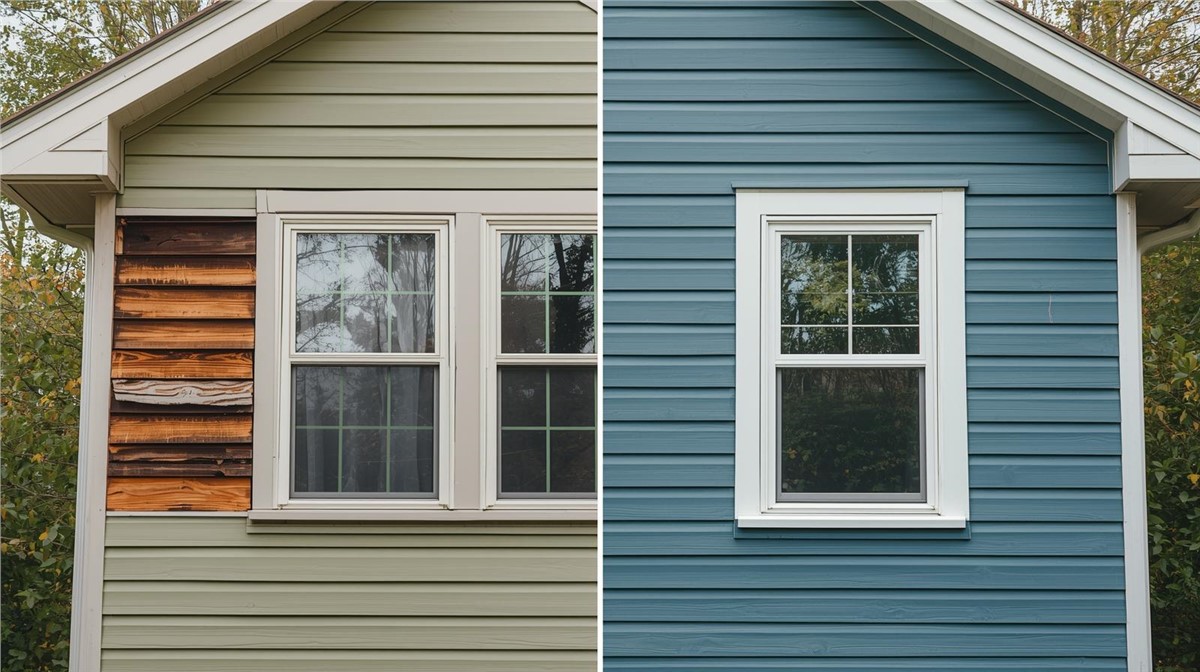
New windows integrate with siding systems to create a continuous weather barrier. Poor siding or flashing can undermine window performance.
Windows and Roofing
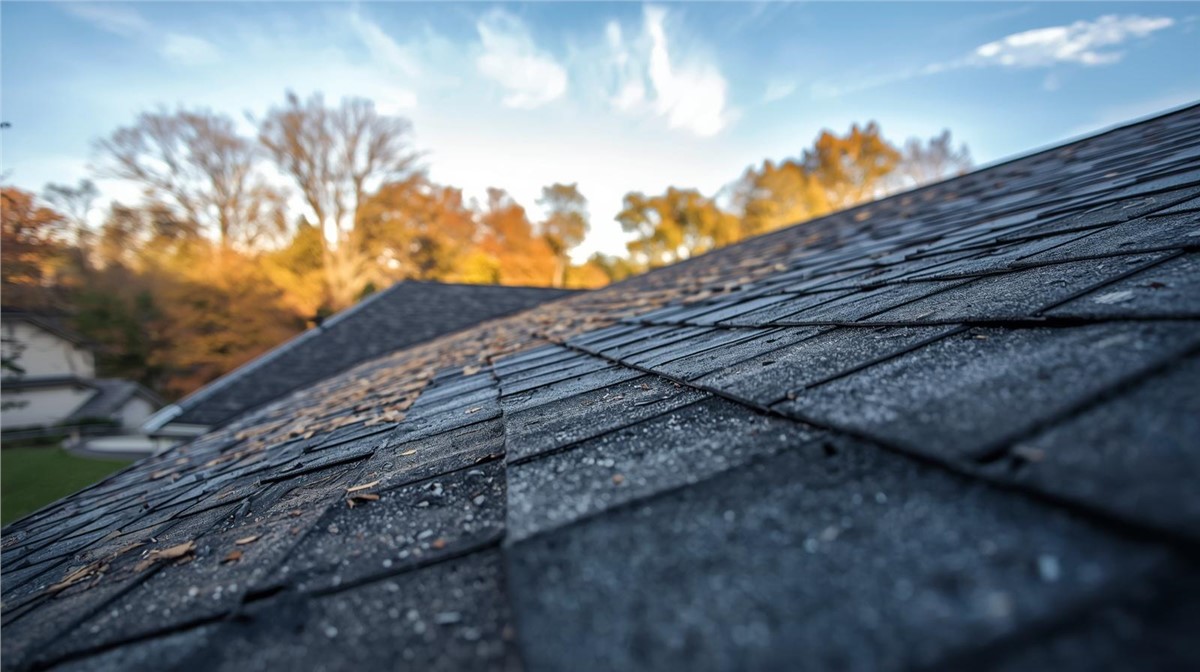
Roof overhangs help shade windows in summer and protect them from snowmelt and rain. Roofing issues sometimes show up as window leaks.
Windows and Gutters
Failing gutters allow water to overflow onto window frames, leading to rot and moisture intrusion that affect energy efficiency.
Evaluating windows as part of the entire exterior system ensures better results.
When Energy-Efficient Window Replacement Makes Sense
Window replacement may be worth considering if:
Your windows are 20+ years old
You feel drafts or cold spots near windows
Condensation forms between glass panes
Energy bills keep rising
Frames show signs of rot or damage
Many homeowners in WI & IL replace windows not because they’re broken—but because they no longer perform efficiently.
Best Time to Replace Windows in Wisconsin & Illinois
Window replacement can be done year-round, but most homeowners prefer:
Spring and fall for moderate temperatures
Before winter to reduce heating costs
Planning ahead avoids emergency replacements during extreme cold or peak storm seasons.
Frequently Asked Questions
How much can energy-efficient windows save?
Savings vary by home, but many Midwest homeowners see noticeable reductions in heating and cooling costs over time.
Are triple-pane windows worth it in WI & IL?
In colder regions or draft-prone homes, triple-pane windows can provide added comfort and efficiency.
Can windows be replaced in winter?
Yes, though scheduling and installation conditions may be more limited.
Will new windows eliminate condensation?
They significantly reduce condensation when properly installed, though indoor humidity control still matters.
Do energy-efficient windows qualify for incentives?
Some products may qualify for rebates or tax credits, depending on current programs.
A Practical Investment for Midwest Homes
In Wisconsin and Illinois, energy-efficient windows do more than improve appearance—they help protect your home from weather extremes, stabilize indoor comfort, and reduce long-term energy costs. When paired with proper installation and coordinated exterior systems, the benefits extend well beyond monthly utility bills.
Huskie Exteriors works with homeowners throughout WI & IL, bringing experience across windows, roofing, siding, and gutters designed for Midwest conditions. A thoughtful approach to window efficiency can help your home perform better—season after season, year after year.
Subscribe to Huskie Exteriors's Blog




Comments