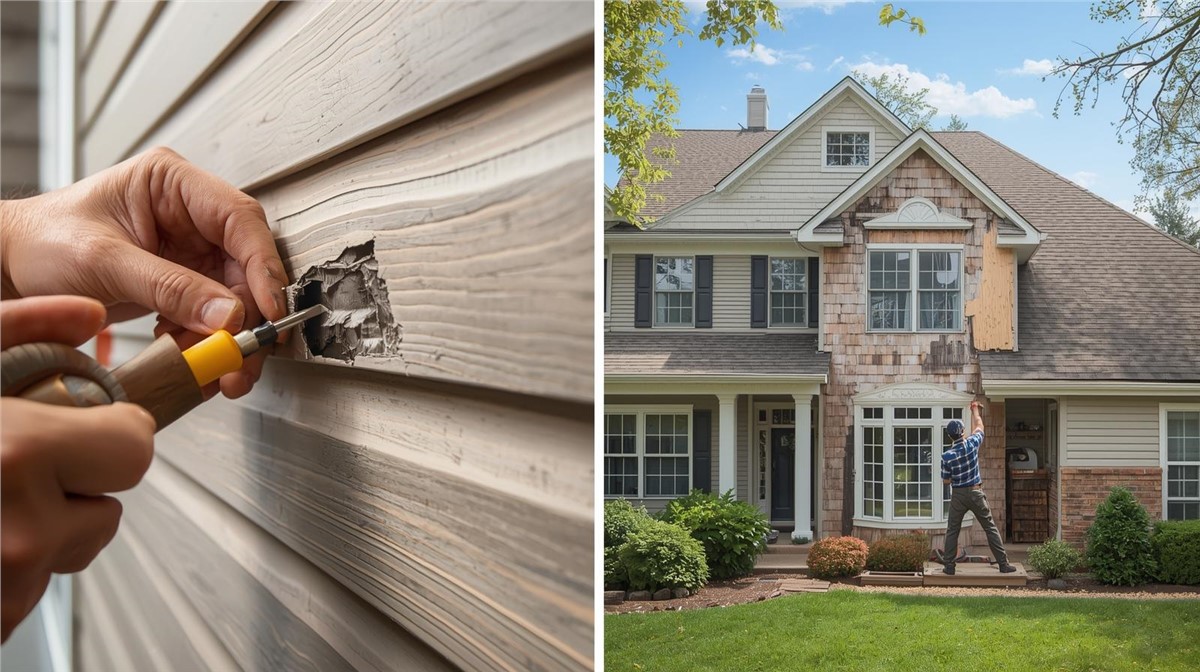
When siding problems show up, many homeowners across Wisconsin and Illinois face an important decision: should you repair the siding, or is it time for a full replacement? Midwest weather—long winters, freeze-thaw cycles, wind-driven rain, hail, and summer heat—can make that decision more complex than it seems.
What looks like a small crack or loose panel on the surface may signal deeper moisture or insulation issues underneath. Understanding the difference between siding repair and siding replacement—and knowing which option makes sense for your home—can help you avoid unnecessary costs and protect your home long term.
This guide breaks down what WI & IL homeowners should know about siding repair vs. replacement, how Midwest weather affects siding performance, and how siding works together with roofing, windows, and gutters as part of a complete exterior system.
Why This Decision Is Especially Important in the Midwest
Homes in Wisconsin and Illinois experience some of the harshest seasonal conditions in the country. Siding here must withstand:
Prolonged freezing temperatures
Heavy snow accumulation and drifting
Repeated freeze-thaw cycles
Strong winds and severe storms
Hot, humid summers and UV exposure
Because moisture and temperature extremes are constant, siding damage can worsen quickly if it’s not addressed properly. Choosing repair when replacement is needed—or replacing when repair would suffice—can both lead to frustration and wasted investment.
Understanding Siding Repair
Siding repair focuses on fixing localized issues while leaving the majority of the siding system intact.
When Siding Repair Makes Sense
Repair is often appropriate when:
Damage is limited to a small area
Siding is relatively new and otherwise in good condition
Issues are cosmetic rather than structural
Moisture has not penetrated behind the siding
For example, a few cracked vinyl panels after a windstorm or minor trim damage from ice may be repaired effectively without replacing all siding.
Common Siding Repairs in Wisconsin & Illinois
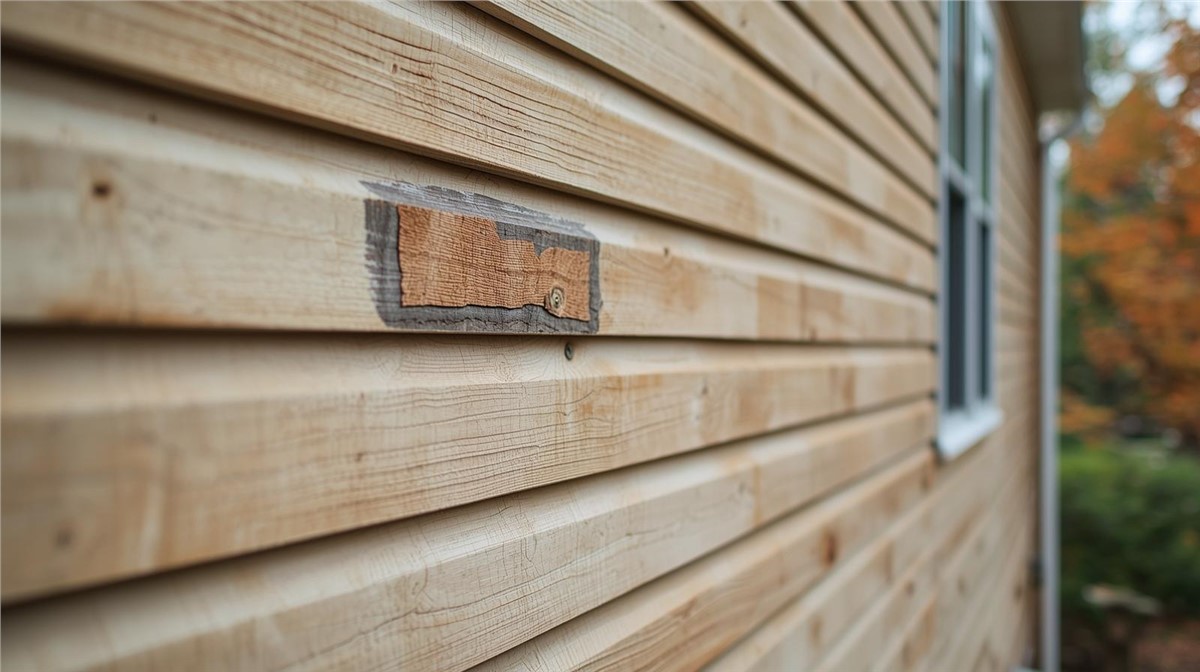
Replacing cracked or broken panels after freeze damage
Re-securing loose siding following windstorms
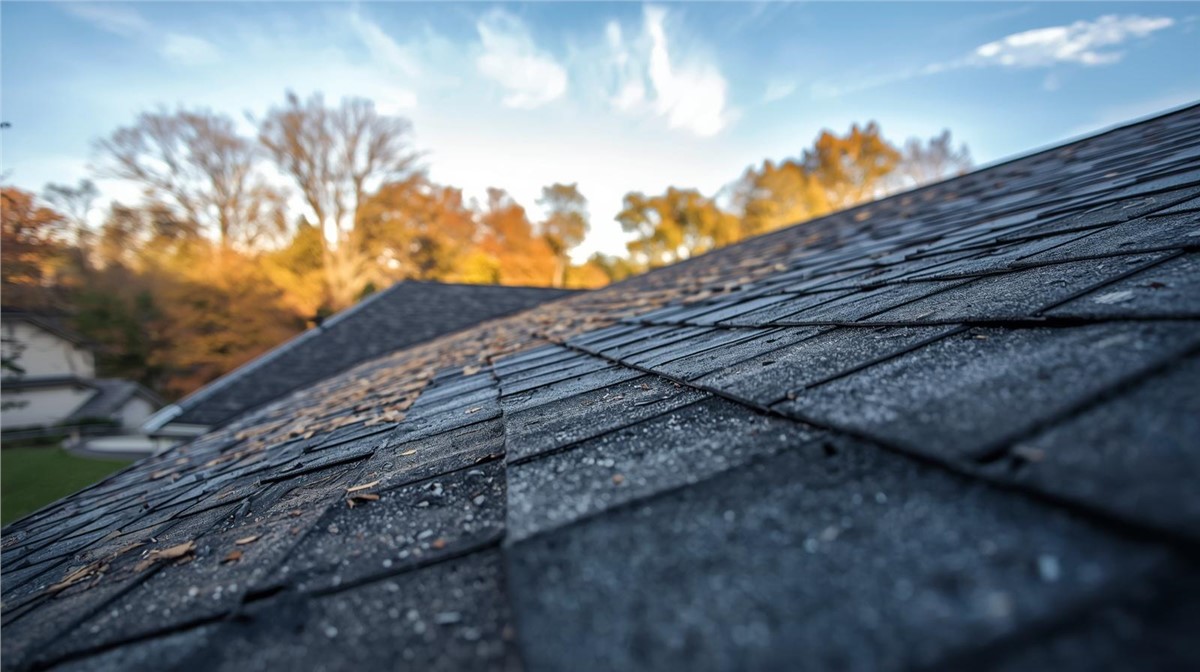
Repairing localized hail damage
Fixing trim or corner posts affected by ice buildup
Timely repairs are especially important in the Midwest, where water intrusion can quickly lead to rot or mold once temperatures fluctuate.
The Limits of Siding Repair in Harsh Climates
While siding repair can be effective, it has limitations—particularly in Wisconsin and Illinois.
Repairs Don’t Address Widespread Aging
Fixing one area doesn’t stop aging materials elsewhere from failing. If siding is nearing the end of its lifespan, new problems may appear soon after repairs are completed.
Hidden Damage Is Common
Moisture intrusion behind siding isn’t always visible. Ice dams, snowmelt, or wind-driven rain may damage sheathing and insulation long before siding shows obvious signs.
Repeated Repairs Add Up
If your home needs siding repairs after every storm or winter season, costs can add up quickly—often approaching or exceeding the cost of replacement.
When Siding Replacement Is the Better Choice
Siding replacement involves removing existing siding and installing a new system designed to meet modern performance standards.
Signs Replacement Is Likely the Best Option
Replacement is often recommended when:
Damage is widespread across multiple walls
Siding is cracked, warped, or buckling in several areas
Moisture problems are recurring
Energy bills are rising due to air leakage
Siding is 20–30+ years old (depending on material)
In Midwest climates, siding often reaches this stage sooner than homeowners expect due to weather stress.
How Midwest Weather Accelerates Siding Failure
Freeze-Thaw Cycles
Repeated freezing and thawing causes siding materials to expand and contract. Over time, this can lead to cracking, fastener failure, and separation at seams.
Snow and Ice Exposure
Snow piled against siding—especially near the foundation—creates prolonged moisture exposure. As snow melts and refreezes, water can penetrate seams and damage lower wall assemblies.
Wind and Storm Damage
Strong winds common in spring and summer storms can loosen panels or force water behind siding, particularly if flashing or house wrap is compromised.
Summer Heat and Humidity
Heat accelerates material aging, while humidity increases the risk of mold and mildew behind siding if moisture control is inadequate.
Repair vs. Replacement: Cost and Value Considerations
Short-Term Cost vs. Long-Term Value
Siding repair typically has lower upfront cost
Siding replacement requires more initial investment but provides long-term protection
For aging siding systems, replacement often delivers better value by eliminating recurring repair expenses and improving performance.
Energy Efficiency Benefits
Modern siding systems—especially insulated options—reduce air leakage and help stabilize indoor temperatures. Repairs alone can’t address underlying efficiency issues in older siding.
How Siding Decisions Affect Other Exterior Systems
Siding doesn’t function in isolation. Repair or replacement decisions should consider the entire exterior system.
Roofing
Roof overhangs and flashing protect siding from snowmelt and rain. Roof issues can sometimes appear as siding problems, and vice versa.
Windows
Improperly sealed or aging windows allow moisture and air infiltration that can damage surrounding siding. Replacement projects often reveal window-related issues.
Gutters
Failing or clogged gutters allow water to overflow onto siding, accelerating wear and increasing the risk of rot—especially during snowmelt.
Evaluating siding alongside roofing, windows, and gutters leads to more accurate decisions and longer-lasting results.
Insurance and Storm Damage in WI & IL
Many siding replacements in Wisconsin and Illinois occur after storm damage.
Important points to consider:
Hail and wind damage may not be obvious from the ground
Delaying inspection can worsen damage
Repairs may not be sufficient if damage is widespread
A professional assessment helps determine whether repair or replacement is appropriate based on the extent of damage—not just what’s visible.
Best Time to Repair or Replace Siding in the Midwest
While siding work can be performed much of the year, timing matters.
Ideal Seasons
Late spring through early fall offers the most consistent conditions
Fall allows repairs or replacement before winter arrives
Winter Considerations
Emergency repairs can be done in winter, but cold temperatures may limit material options and installation efficiency.
Planning ahead gives homeowners more flexibility and fewer weather-related complications.
Questions WI & IL Homeowners Should Ask
Before choosing siding repair or replacement, consider
How old is the siding?
Is damage isolated or widespread?
Are moisture issues recurring?
How does the home perform during winter storms?
Are energy costs increasing?
An experienced inspection helps answer these questions objectively.
Frequently Asked Questions
Can damaged siding always be repaired?
Not always. Repairs work best for localized damage. Widespread cracking or moisture issues often require replacement.
How long should siding last in Wisconsin and Illinois?
Vinyl siding often lasts 20–40 years, while fiber cement and engineered wood lifespan varies based on maintenance and weather exposure.
Is it risky to delay siding replacement?
Yes. Delaying replacement can allow moisture intrusion, leading to rot, mold, and structural damage.
Does new siding improve energy efficiency?
Yes. Modern siding systems help reduce air leakage and improve comfort year-round.
Should siding be replaced at the same time as windows or roofing?
Often, yes. Coordinating exterior projects improves flashing integration and long-term durability.
Making the Right Choice for Your Home
Deciding between siding repair and replacement isn’t about choosing the quickest or least expensive option—it’s about choosing the right solution for your home, climate, and long-term goals. In Wisconsin and Illinois, where weather extremes are a constant factor, that decision matters even more.
Huskie Exteriors works with homeowners throughout WI & IL, providing experienced evaluations of siding, roofing, windows, and gutters as a complete exterior system. With the right information and a thoughtful approach, homeowners can protect their investment and ensure their home is ready for many Midwest seasons to come.
Subscribe to Huskie Exteriors's Blog





Comments