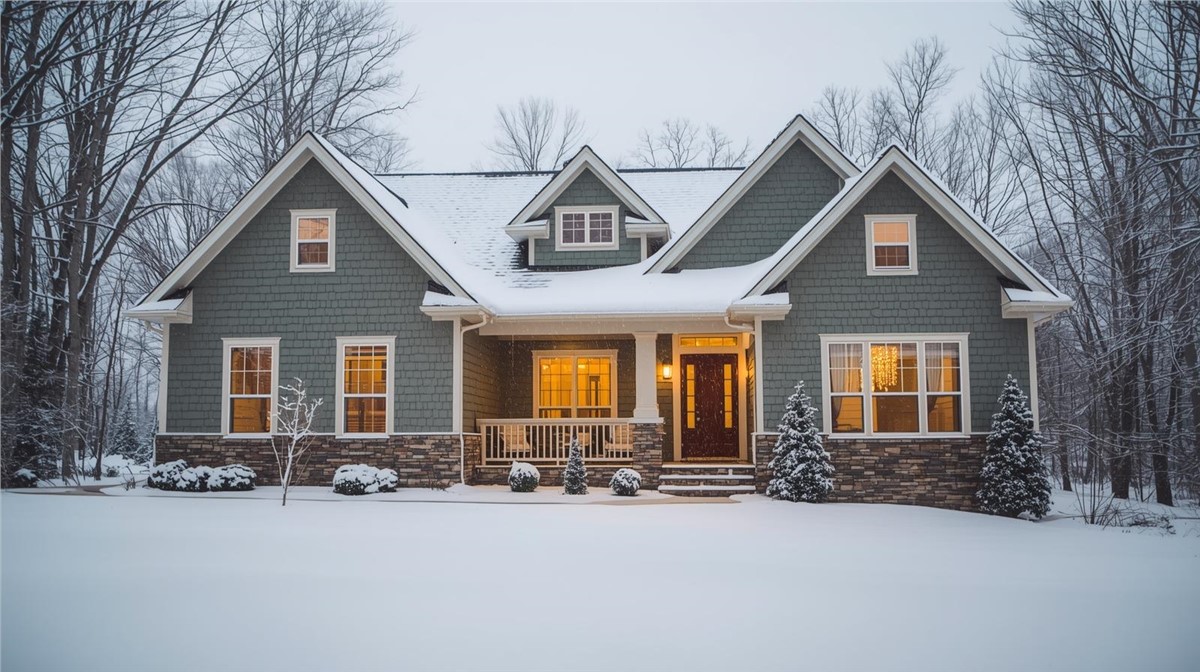
Winters in Wisconsin and Illinois are not just cold—they’re demanding. Snowstorms, ice buildup, freezing rain, strong winds, and prolonged subzero temperatures put constant pressure on every part of your home’s exterior. While the roof often gets the most attention during winter, siding plays an equally critical role in protecting your home from seasonal damage.
Understanding how siding protects your home from harsh Midwest winters helps homeowners recognize why siding condition, material choice, and installation quality matter so much in this region. This guide explains how siding functions during winter, what can go wrong, and how it works together with roofing, windows, and gutters to keep your home safe, efficient, and comfortable.
Why Midwest Winters Are Especially Hard on Siding
Homes in Wisconsin and Illinois face winter conditions that test exterior materials far beyond what many regions experience.
Key winter challenges include:
Prolonged freezing temperatures
Heavy snow accumulation and drifting
Freeze-thaw cycles that repeat for months
Ice dams and snowmelt runoff
Strong winter winds
Siding must act as a durable barrier through all of this—often while moisture is present in solid, liquid, and vapor form at the same time.
The Primary Role of Siding in Winter Protection
Siding is not just decorative cladding. In winter, it serves several essential functions.
Blocking Wind and Cold Air
Cold winter winds can force air through gaps, seams, and poorly sealed wall assemblies. Properly installed siding reduces air infiltration, helping your home retain heat and maintain consistent indoor temperatures.
Managing Moisture
Snow and ice don’t just sit harmlessly on siding. They melt, refreeze, and migrate. Siding helps:
Shed melting snow and ice
Protect the water-resistant barrier beneath
Prevent moisture from reaching insulation and framing
When siding fails, moisture can become trapped inside wall cavities—where it causes damage long after winter ends.
Freeze-Thaw Cycles: A Hidden Threat to Siding
One of the most destructive forces in Midwest winters is the freeze-thaw cycle.
How Freeze-Thaw Damages Siding
When moisture enters small cracks or seams in siding and freezes, it expands. Over time, this repeated expansion:
Widens cracks
Warps panels
Loosens fasteners
This damage often goes unnoticed until spring, when siding appears bowed, cracked, or separated.
Why Material Choice Matters
Some siding materials handle freeze-thaw cycles better than others. Durable, dimensionally stable materials are especially important in Wisconsin and Illinois, where temperature swings are frequent.
Snow Accumulation and Ice Buildup Along Siding
Snow Against Exterior Walls
Snow piled against siding—especially near the foundation—creates prolonged moisture exposure. As snow melts and refreezes, water can:
Penetrate seams
Damage lower courses of siding
Affect sill plates and framing
Homes with poor drainage or clogged gutters are particularly vulnerable.
Ice Formation
Ice buildup on siding edges and trim can force moisture behind panels, increasing the risk of rot and mold once temperatures rise.
How Siding Works With Insulation in Winter
Siding alone doesn’t insulate your home, but it plays a key role in the overall thermal system.
Reducing Air Leakage
Cracked or loose siding allows cold air to infiltrate wall cavities, reducing insulation effectiveness. Even well-insulated walls lose efficiency if air can move freely.
Supporting Energy Efficiency
In Wisconsin and Illinois winters, air leakage contributes significantly to:
Higher heating bills
Cold spots near exterior walls
Strain on HVAC systems
Well-installed siding helps maintain the integrity of your home’s insulation and air barrier systems.
Wind-Driven Snow and Rain: A Midwest Reality
Winter storms in the Midwest often bring strong winds combined with snow or freezing rain.
Why Wind Matters
Wind can drive moisture sideways and upward—forcing it behind siding panels if:
Flashing is improperly installed
Seams are compromised
Caulking has deteriorated
Siding must work together with proper flashing and house wrap to manage these conditions.
Common Winter-Related Siding Problems in WI & IL Homes
Midwest homeowners often discover siding issues after winter has passed. Common problems include:
Cracked or brittle panels
Warping or buckling
Mold or mildew growth behind siding
Rot in wood-based materials
Loose or rattling siding after storms
These issues usually indicate that winter conditions have stressed the system beyond its limits.
How Siding Protects Windows During Winter
Windows are particularly vulnerable during harsh winters, and siding plays a major role in their protection.
Preventing Moisture Intrusion
Siding and window flashing work together to divert snowmelt and rain away from window frames. When siding fails, water can reach window openings, leading to:
Rotting window frames
Drafts and air leaks
Interior wall damage
Reducing Heat Loss
Cold air entering around windows often originates from gaps in siding or trim—not the window itself.
The Relationship Between Siding, Roofing, and Ice Dams
Ice dams are a common Midwest winter issue, and siding is often affected by the damage they cause.
How Ice Dams Impact Siding
When ice dams force water under shingles, that moisture can travel down wall assemblies behind siding. Over time, this leads to:
Hidden rot
Mold growth
Compromised insulation
Proper siding installation helps manage water once it leaves the roof edge.
Gutters, Snowmelt, and Siding Protection
Gutters are critical during winter thaws.
What Happens When Gutters Fail
Clogged or damaged gutters allow snowmelt to overflow, saturating siding and trim. This increases the risk of:
Ice buildup on siding
Rot along fascia and lower walls
Foundation moisture issues
Siding performs best when gutters and downspouts are directing water safely away from the home.
Siding Materials and Winter Performance
Not all siding materials perform equally during Midwest winters.
Vinyl and Insulated Vinyl
High-quality vinyl performs well when installed correctly, but thinner vinyl may crack in extreme cold. Insulated vinyl adds rigidity and thermal benefits.
Fiber Cement
Highly resistant to freeze-thaw cycles and moisture, making it a strong choice for Wisconsin and Illinois winters when properly installed.
Engineered Wood
Offers improved winter performance compared to traditional wood, but still requires proper sealing and maintenance.
Natural Wood
Classic but vulnerable to prolonged moisture exposure, snow buildup, and freeze-thaw damage without diligent upkeep.
Signs Your Siding May Be Failing After Winter
After winter ends, homeowners should inspect for:
New cracks or separations
Soft spots near the bottom of walls
Peeling paint or swelling trim
Persistent moisture stains indoors
These signs suggest winter damage that should be addressed before it worsens.
Preventive Steps Homeowners Can Take
While you can’t control Midwest winters, you can reduce their impact.
Annual Inspections
Have siding inspected after winter to identify damage early.
Maintain Gutters and Drainage
Clear gutters before winter and after snowmelt to prevent overflow.
Address Small Issues Promptly
Minor cracks or loose panels can quickly worsen during freeze-thaw cycles.
Frequently Asked Questions
Does siding really affect winter energy efficiency?
Yes. Siding helps control air leakage, which significantly affects heating costs in cold climates.
Can winter damage siding even without visible cracks?
Yes. Moisture intrusion and freeze-thaw damage often occur behind the siding and aren’t visible immediately.
Is insulated siding worth it in the Midwest?
For many homes, insulated siding improves comfort and reduces drafts during harsh winters.
Should siding be inspected every spring?
Yes. Spring inspections help identify winter damage before it leads to larger repairs.
Can poor siding cause mold issues?
Yes. Trapped moisture behind siding is a common cause of mold growth inside walls.
Preparing Your Home for Many Winters Ahead
Harsh Midwest winters demand more from your home’s exterior than most climates. Siding plays a vital role in protecting against cold, moisture, wind, and long-term structural damage—especially when it works together with roofing, windows, and gutters.
Huskie Exteriors helps homeowners throughout Wisconsin and Illinois evaluate and maintain siding systems built for Midwest conditions. A thoughtful approach to siding performance doesn’t just protect your home for one winter—it helps ensure durability, comfort, and peace of mind for many seasons to come.
Subscribe to Huskie Exteriors's Blog




Comments