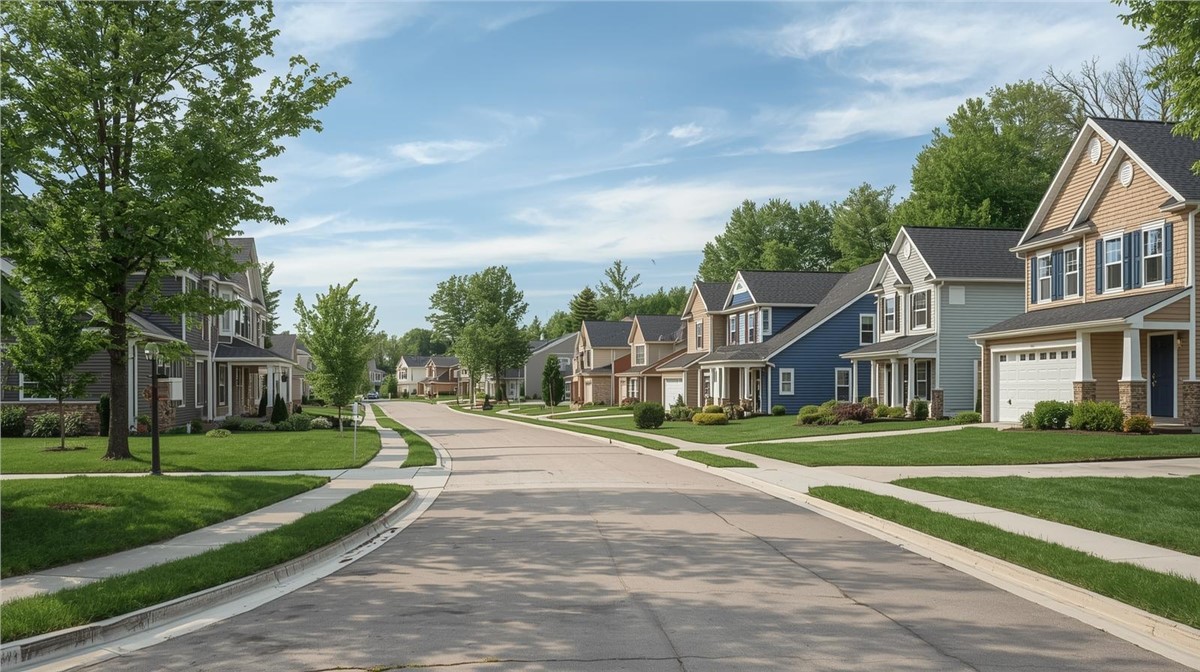
Choosing the right siding for your home in Wisconsin or Illinois isn’t just a design decision—it’s a long-term performance investment. Midwest weather is demanding, with heavy snow, ice, strong winds, summer heat, humidity, and sudden temperature swings that can quickly expose weaknesses in exterior materials.
The best siding materials for Midwest weather are those that can handle moisture, resist warping and cracking, protect against wind-driven rain, and continue performing year after year with reasonable maintenance. This guide breaks down the most common siding options used across Wisconsin and Illinois, how they perform in real Midwest conditions, and what homeowners should consider when making a decision.
Why Midwest Weather Is Tough on Siding
Homes in the Midwest face a combination of environmental stresses that few other regions experience all in one place.
Key challenges include:
Freeze-thaw cycles that cause expansion and contraction
Snow buildup and prolonged moisture exposure
High winds during spring and summer storms
Heat and humidity that accelerate material aging
Wind-driven rain that tests flashing and water barriers
Because siding protects not only your walls but also insulation, framing, windows, and even roofing edges, material choice matters more here than in milder climates.
What Makes a Siding Material “Midwest-Ready”?
Before comparing materials, it helps to understand what characteristics matter most for Wisconsin and Illinois homes.
The best siding materials typically offer:
Strong moisture resistance
Dimensional stability during temperature swings
Wind resistance and secure fastening systems
Low to moderate maintenance requirements
Compatibility with proper flashing, windows, and gutters
No siding is maintenance-free, but the right choice minimizes long-term issues.
Vinyl Siding: Popular and Cost-Effective
Why Vinyl Is Common in Wisconsin & Illinois
Vinyl siding remains one of the most widely used materials in the Midwest due to affordability and versatility.
Strengths:
Resistant to moisture and rot
Performs well in snow and rain
Doesn’t require painting
Available in many colors and profiles
Midwest Considerations
Lower-quality vinyl can become brittle in extreme cold and may crack during harsh winters. Higher-quality, thicker vinyl products perform better in freeze-thaw cycles and high winds.
Vinyl also relies heavily on proper installation. Incorrect nailing or insufficient expansion gaps can lead to buckling during summer heat.
Best for: Homeowners seeking a budget-friendly, low-maintenance option that performs well when properly installed.
Insulated Vinyl Siding: Improved Performance
Insulated vinyl siding builds on traditional vinyl by adding a layer of rigid insulation.
Benefits in Midwest Climates
Improved energy efficiency during cold winters
Reduced drafts and thermal bridging
Increased rigidity, helping resist wind damage
While not a replacement for proper wall insulation, insulated vinyl can noticeably improve comfort in older Wisconsin and Illinois homes.
Best for: Homeowners looking to improve efficiency without moving to heavier siding materials.
Fiber Cement Siding: Durable and Weather-Resistant
Fiber cement siding has become increasingly popular in the Midwest due to its durability and performance in harsh conditions.
Why It Performs Well
Resistant to moisture, rot, and insects
Stable during temperature swings
Non-combustible
Holds paint well, even in fluctuating climates
Midwest Trade-Offs
Fiber cement is heavier than vinyl and requires professional installation. While it performs extremely well in snow, wind, and rain, improper installation can lead to cracking or moisture issues.
Best for: Homeowners prioritizing durability, long lifespan, and strong resistance to Midwest weather extremes.
Engineered Wood Siding: A Balanced Option
Engineered wood siding is designed to offer the appearance of traditional wood with improved durability.
Advantages
Better moisture resistance than natural wood
Lighter weight than fiber cement
Strong wind resistance when properly installed
Midwest Considerations
While more durable than traditional wood, engineered wood still requires proper sealing and maintenance to prevent moisture-related issues—especially during long, wet springs.
Best for: Homeowners who want a wood look with better performance in Wisconsin and Illinois climates.
Natural Wood Siding: Classic but High Maintenance
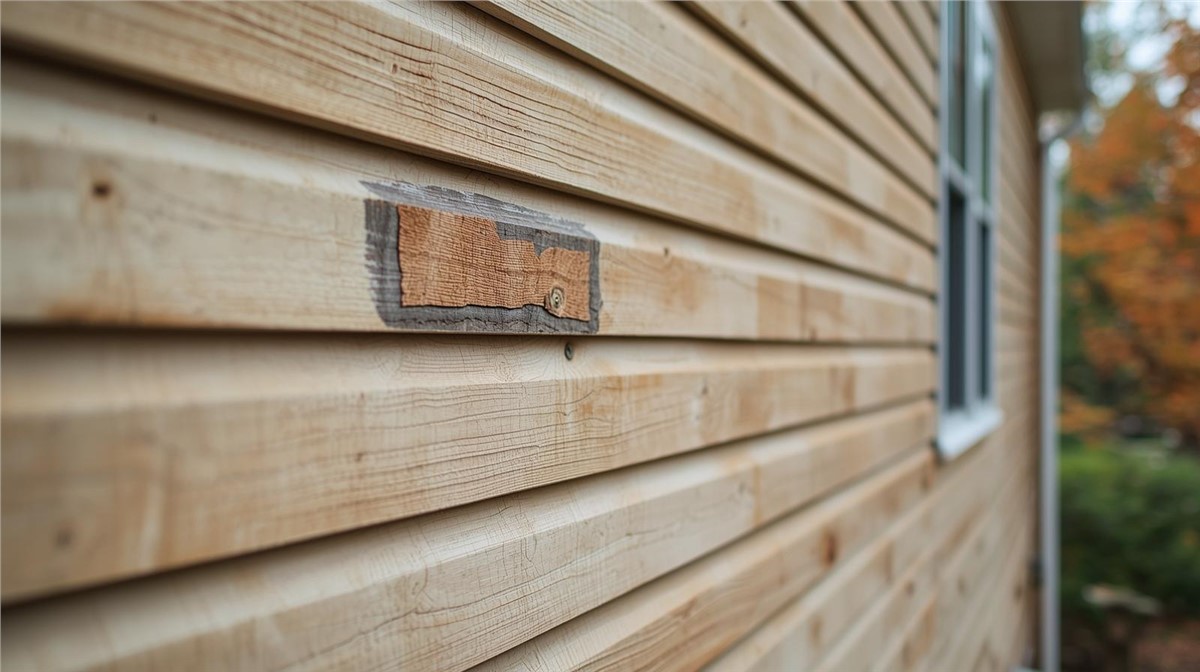
Wood siding offers timeless appeal, but Midwest weather makes it one of the more demanding options.
Challenges in the Midwest
Vulnerable to moisture, rot, and insects
Requires regular painting or staining
Susceptible to damage from snow buildup and ice
Without diligent maintenance, wood siding can deteriorate quickly in Wisconsin and Illinois.
Best for: Homeowners committed to ongoing maintenance and aesthetic authenticity.
Metal Siding: Growing Popularity in the Midwest
Metal siding, often steel or aluminum, is becoming more common in certain Midwest neighborhoods.
Performance Benefits
Excellent resistance to snow and ice
Highly wind-resistant
Fire-resistant and low maintenance
Long lifespan
Potential Drawbacks
Metal siding can dent from hail and may not suit all architectural styles. Proper insulation and installation are critical to prevent condensation issues.
Best for: Homeowners seeking durability and modern or agricultural-inspired aesthetics.
Brick and Stone Veneer: Durable but Limited Use
Brick and stone veneer offer excellent weather resistance but come with higher costs and structural considerations.
Midwest Performance
Excellent resistance to wind, rain, and temperature swings
Minimal maintenance
Long lifespan
However, veneer systems rely heavily on proper drainage and flashing to prevent moisture issues behind the walls.
Best for: Accent areas or homeowners prioritizing longevity and traditional aesthetics.
How Siding Choice Affects Roofing, Windows, and Gutters
Siding performance is closely tied to other exterior systems.
Roofing Integration
Proper siding installation includes flashing at roof intersections to prevent water intrusion—especially important during snowmelt and ice dam conditions.
Window Performance
Siding works with window flashing to manage wind-driven rain. Poor material choice or installation can compromise window seals.
Gutters and Drainage
Overflowing gutters can saturate siding, accelerating wear. Durable siding materials handle moisture better, but proper gutter performance is still essential.
Evaluating siding in the context of the entire exterior system leads to better long-term results.
Choosing the Right Siding for Your Home
The “best” siding depends on several factors:
Your home’s age and architectural style
Exposure to wind, sun, and moisture
Desired maintenance level
Budget and long-term goals
Homes in northern Wisconsin may prioritize insulation and snow performance, while Illinois homes may focus more on heat and humidity resistance.
Best Time to Replace Siding in Wisconsin & Illinois
Most homeowners replace siding between late spring and early fall, when temperatures are moderate and moisture levels are manageable.
Planning ahead allows you to:
Avoid emergency repairs after storms
Coordinate siding with window or gutter upgrades
Address hidden moisture issues before winter
Frequently Asked Questions
What siding lasts the longest in the Midwest?
Fiber cement, metal, and brick veneer typically offer the longest lifespans when properly installed.
Is vinyl siding good for cold winters?
Yes, high-quality vinyl performs well in cold climates, but thinner products may crack in extreme cold.
Does siding choice affect energy efficiency?
Yes. Insulated siding and proper installation reduce air leakage and improve overall comfort.
Can siding be replaced in winter?
It’s possible but less ideal. Cold temperatures can affect materials and installation quality.
Should siding be replaced at the same time as windows?
Often, yes. Coordinating projects improves flashing integration and moisture protection.
A Smart, Weather-Ready Approach
Midwest weather demands siding materials that do more than look good—they must protect, insulate, and endure year after year. Choosing the right siding helps safeguard your home from moisture damage, energy loss, and costly repairs while improving comfort and curb appeal.
Huskie Exteriors works with homeowners across Wisconsin and Illinois, offering experience in siding, roofing, windows, and gutters designed for regional conditions. A thoughtful evaluation of materials and installation details ensures your home is prepared for whatever Midwest weather brings next.
Subscribe to Huskie Exteriors's Blog




Comments