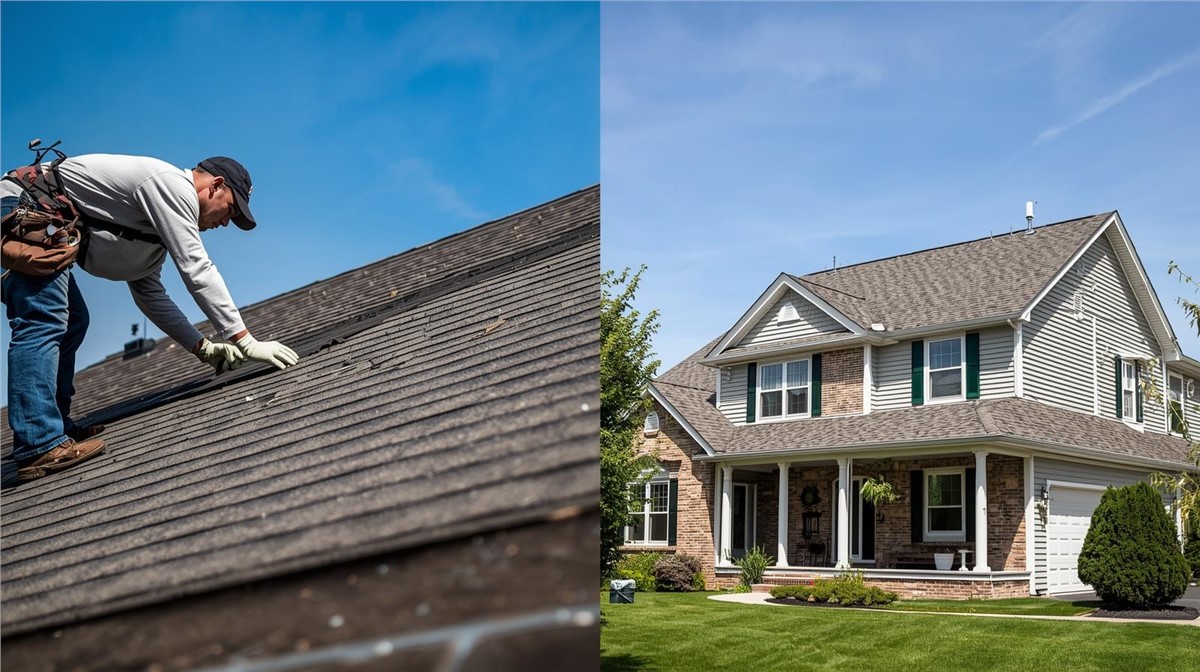
When roofing issues appear, many homeowners in Wisconsin and Illinois face the same question: should you repair your roof, or is it time to replace it? The answer isn’t always obvious. Midwest weather—snow, ice, wind, hail, and summer heat—can cause damage that looks minor on the surface but signals deeper problems underneath.
Understanding the difference between roof repair and roof replacement, and knowing which option makes sense for your home, can save you money, prevent interior damage, and help you plan with confidence. This guide breaks down the key factors Midwest homeowners should consider when deciding what’s best for their roof.
Why This Decision Matters in the Midwest
Roofs in Wisconsin and Illinois experience harsher conditions than many parts of the country. Over time, these conditions can shorten roof lifespan and complicate repair decisions.
Common regional stressors include:
Freeze-thaw cycles that weaken shingles and flashing
Heavy snow loads and ice dams
Strong winds and hail during storms
High summer temperatures and UV exposure
Because weather damage often compounds over time, choosing the wrong approach—repairing when replacement is needed, or replacing too early—can be costly.
Understanding Roof Repair: When It Makes Sense
Roof repair focuses on fixing specific problem areas without replacing the entire roofing system.
Situations Where Roof Repair Is Appropriate
Roof repair is often a good option when:
The roof is relatively new (typically under 10–15 years old)
Damage is isolated to a small area
Shingles were lost or damaged during a recent storm
Flashing around chimneys or vents has failed
There are no ongoing or recurring leak issues
In these cases, repairs can restore performance and extend roof life.
Common Roof Repairs in Wisconsin & Illinois
Replacing missing or cracked shingles after windstorms
Repairing flashing damaged by ice buildup
Sealing minor leaks discovered after snowmelt
Fixing localized hail damage
Timely repairs are especially important after Midwest storms, where small issues can worsen quickly through freeze-thaw cycles.
Limits of Roof Repairs in Harsh Climates
While repairs can be effective, they aren’t always a long-term solution—especially in Midwest conditions.
Repeated Repairs Add Up
If your roof needs attention after every storm season, repair costs can quickly exceed the value of replacement.
Repairs Don’t Address Aging Materials
Fixing one area doesn’t stop aging shingles elsewhere from failing. Older roofs often develop new issues shortly after repairs are completed.
Hidden Damage Is Common
Ice dams and moisture intrusion may damage roof decking or underlayment without obvious exterior signs. Repairs may mask deeper problems rather than resolve them.
When Roof Replacement Is the Better Choice
Roof replacement involves removing the old roofing system and installing a new one designed to meet current performance standards.
Signs Replacement Is Likely the Best Option
Replacement is often recommended when:
The roof is 15–20+ years old
Damage is widespread across multiple slopes
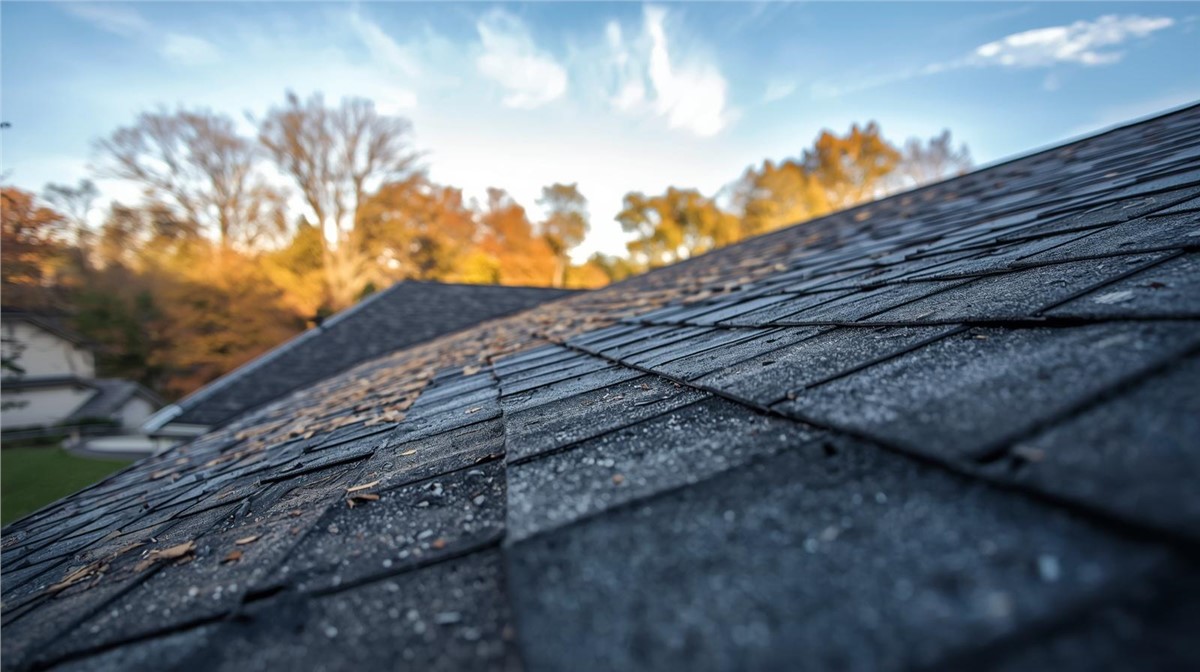
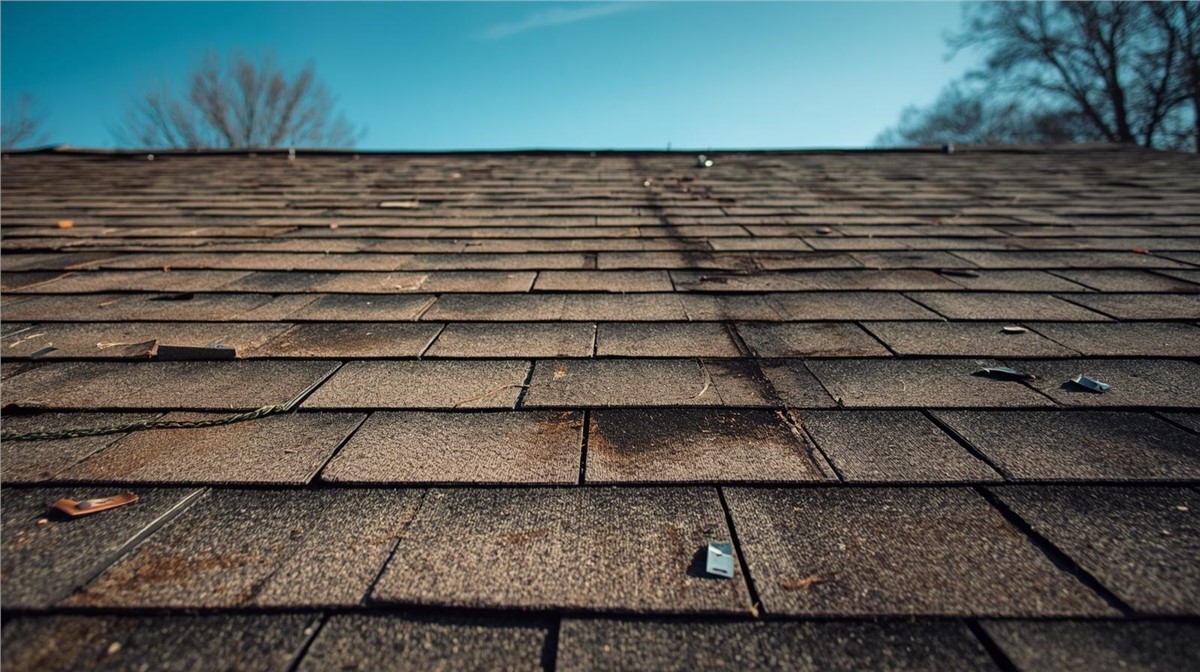
Shingles are curling, cracking, or losing granules
Leaks are recurring or appearing in multiple areas
Ice dam issues happen every winter
The roof has already undergone several repairs
In Midwest climates, roofs often reach this stage sooner than homeowners expect.
How Midwest Weather Accelerates the Need for Replacement
Winter Damage Accumulation
Snow and ice place prolonged stress on roofs. Over time, this can weaken decking, fasteners, and underlayment—issues that repairs may not fully resolve.
Storm Damage Compounding
Wind and hail damage often overlaps across seasons. Even if each event causes minor damage, the cumulative effect can compromise the roof system.
Heat and UV Breakdown
Summer heat dries out asphalt shingles, making them brittle and more prone to cracking during winter cold snaps.
Cost Considerations: Repair vs. Replacement
Short-Term vs. Long-Term Cost
Repairs cost less upfront but may be repeated
Replacement costs more initially but provides long-term stability
For aging roofs, replacement often offers better value over time.
Energy Efficiency Impact
Older roofs with poor ventilation can increase heating and cooling costs. New roofing systems improve airflow and insulation performance—benefits repairs can’t always provide.
Insurance and Storm Damage in WI & IL
Many roof replacements in Wisconsin and Illinois follow hail or wind damage claims.
Important considerations:
Not all damage is visible from the ground
Delayed claims may limit coverage
Repairs may not be sufficient if damage is widespread
A professional inspection helps determine whether repair or replacement aligns with both roof condition and insurance requirements.
How Roofing Decisions Affect Siding, Windows, and Gutters
Your roof is part of a larger exterior system.
Gutters
Failing roofs can overload gutters with debris and water. Likewise, damaged gutters can worsen roof issues by causing water backup.
Siding
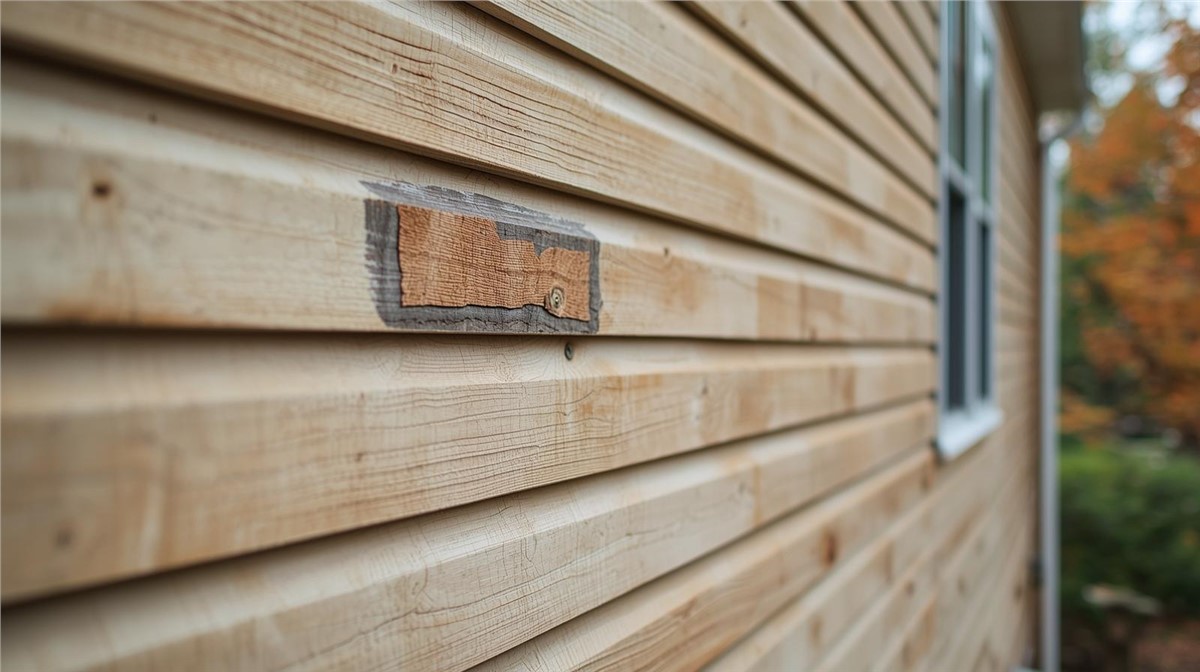
Leaks or ice dams can force water behind siding, leading to rot and insulation damage.
Windows
Roof and flashing issues sometimes appear as window leaks or interior wall stains, making proper diagnosis critical.
Coordinating exterior evaluations ensures problems are addressed at the source—not just where symptoms appear.
Best Time of Year to Repair or Replace a Roof in the Midwest
While roofing work can be done year-round, timing matters.
Ideal Seasons
Late spring through fall offers the most consistent conditions
Fall is especially popular for replacement before winter arrives
Winter Considerations
Emergency repairs can be done in winter, but cold temperatures and snow may limit options.
Planning ahead allows you to choose replacement on your schedule—not during a weather emergency.
Questions to Ask Before Deciding
Before choosing repair or replacement, homeowners should consider:
How old is the roof?
How often has it been repaired?
Are problems isolated or widespread?
How does the roof perform during winter storms?
Are energy costs increasing?
An experienced inspection helps answer these questions objectively.
Frequently Asked Questions
Can a roof be repaired instead of replaced after hail damage?
Sometimes. If damage is limited, repairs may be sufficient. Widespread hail damage often requires replacement.
How long should a repaired roof last?
It depends on roof age and condition. Repairs extend life but don’t reset the clock on aging materials.
Is it risky to delay replacement?
Yes. Delaying can lead to interior damage, mold, and higher overall costs.
Will a new roof help with ice dams?
Yes, especially when combined with proper ventilation and insulation improvements.
Should gutters be replaced when replacing a roof?
Often, yes. Coordinating projects ensures proper drainage and protects new roofing materials.
A Balanced Approach for Midwest Homeowners
Deciding between roof repair and replacement isn’t about choosing the cheapest option—it’s about choosing the right one for your home, climate, and long-term goals. In Wisconsin and Illinois, weather conditions make this decision especially important.
Huskie Exteriors works with homeowners across the Midwest, providing thoughtful evaluations of roofing, siding, windows, and gutters as a complete exterior system. Whether repair or replacement is the right next step, having clear, honest information helps you protect your home and plan confidently for the years ahead.
Subscribe to Huskie Exteriors's Blog




Comments