Windows play a larger role in your home’s comfort and efficiency than many homeowners realize—especially in Wisconsin and Illinois, where weather conditions are anything but mild. From subzero winter temperatures and heavy snow to summer humidity and strong winds, Midwest weather puts constant pressure on window systems. Over time, that stress adds up.
Knowing when to replace your home’s windows in the Midwest can help you maintain indoor comfort, control energy costs, and protect surrounding exterior components like siding, roofing, and interior walls. This guide explains how regional weather affects windows, the signs replacement may be needed, and how windows fit into your home’s overall exterior performance.
Why Midwest Weather Is Hard on Windows
Homes in Wisconsin and Illinois experience dramatic seasonal shifts that impact window materials and seals year after year.
Key challenges include:
Freeze-thaw cycles that weaken seals and frames
Strong winds that stress older installations
Heavy rain and snowmelt that test flashing and caulking
Hot, humid summers that cause expansion and condensation issues
Over time, these conditions can compromise even well-installed windows—especially those that are older or no longer energy efficient.
Average Window Lifespan in Wisconsin & Illinois
Window longevity varies by material, quality, and maintenance, but Midwest conditions often shorten expected lifespans.
Vinyl Windows
Typical lifespan: 20–30 years
Susceptible to warping or seal failure after prolonged temperature extremes
Wood Windows
Typical lifespan: 15–30 years
Require regular maintenance; vulnerable to moisture and rot
Aluminum Windows
Typical lifespan: 20–25 years
Poor insulation value; common in older Midwest homes
If your windows are approaching these age ranges—or were installed before modern energy standards—it may be time to evaluate replacement options.
Clear Signs It’s Time to Replace Your Windows
Some window problems can be repaired, but others indicate deeper issues that replacement is better suited to solve.
1. Drafts and Cold Spots Near Windows
If you feel noticeable drafts during Wisconsin winters or temperature differences near windows, air leakage is likely occurring. Failed seals, worn weatherstripping, or warped frames allow cold air in and warm air out.
2. Rising Energy Bills
As windows lose efficiency, your HVAC system works harder to maintain comfortable temperatures. Many homeowners in Illinois and Wisconsin notice rising heating and cooling costs long before visible window damage appears.
3. Condensation Between Glass Panes
Moisture trapped between double- or triple-pane windows indicates seal failure. This not only reduces insulation value but can also lead to water damage around window frames.
4. Difficulty Opening or Closing Windows
Sticking, jamming, or uneven operation can result from frame warping, foundation movement, or long-term exposure to temperature changes. In emergency situations, windows that don’t open properly can also pose safety concerns.
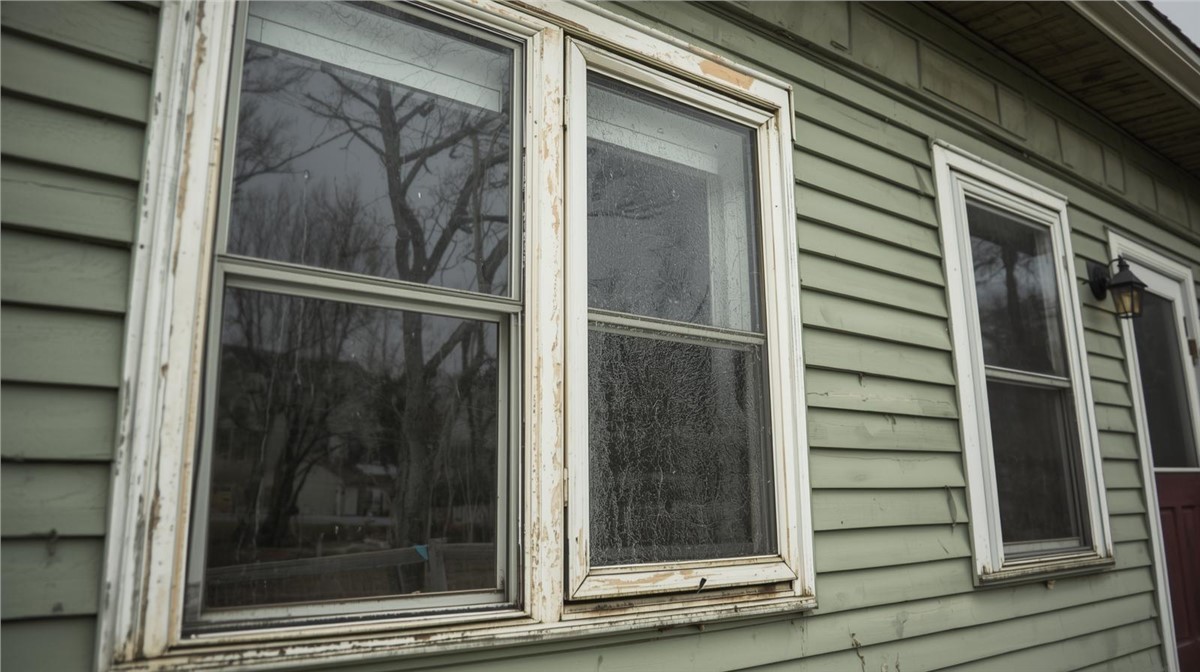
5. Visible Damage or Deterioration
Cracked glass, rotting wood, peeling paint, or soft window frames are all signs that replacement should be considered—especially if damage appears across multiple windows.
How Seasonal Weather Accelerates Window Wear
Winter: Cold, Ice, and Snow
Subzero temperatures cause window frames and seals to contract. Over time, this repeated contraction leads to:
Seal failure
Increased air leakage
Ice buildup around frames
Snow and ice accumulation can also reveal flashing or installation issues once melting begins.
Spring: Rain and Wind
Spring storms bring wind-driven rain that tests window flashing and caulking. If moisture gets behind the siding or trim, it can affect wall assemblies and insulation.
Summer: Heat and Humidity
High humidity and heat cause materials to expand. Poor ventilation or older windows may develop condensation issues that encourage mold or mildew growth.
Fall: Preparation for Winter
Fall temperature shifts often make existing problems more noticeable. Drafts, condensation, and operational issues tend to appear as heating systems turn back on.
How Windows Affect Roofing, Siding, and Gutters
Windows are a critical part of your home’s exterior system—not an isolated component.
Windows and Siding
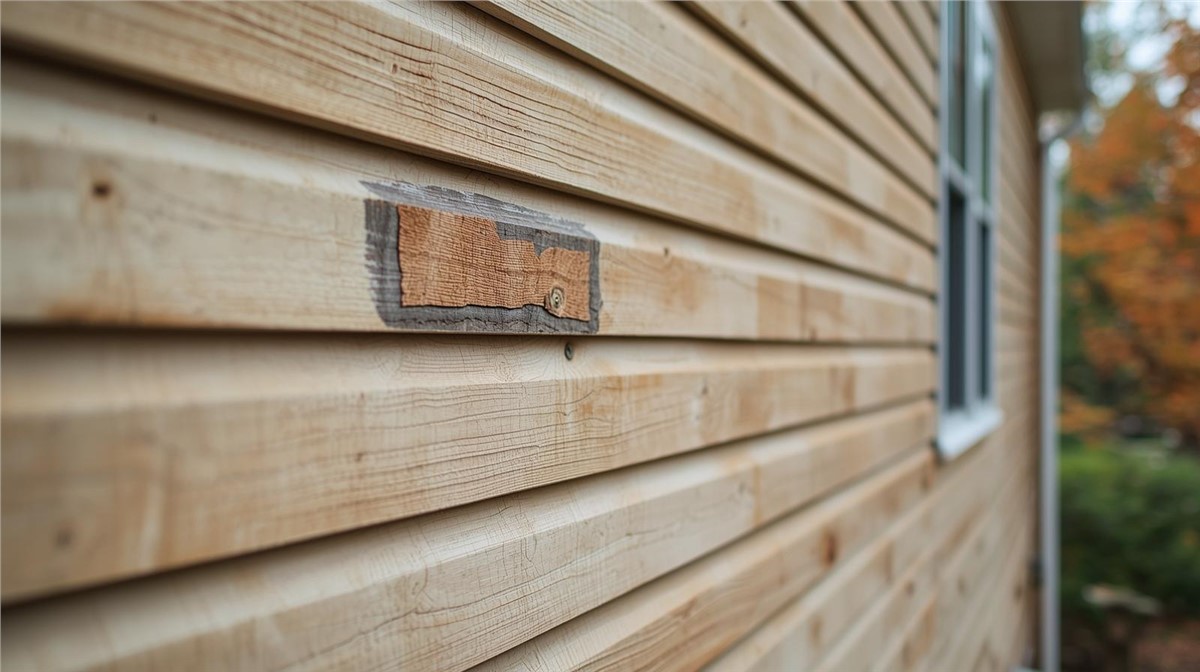
Improperly sealed windows allow water behind siding, leading to rot, mold, and insulation damage. New windows installed with proper flashing improve siding performance.
Windows and Roofing
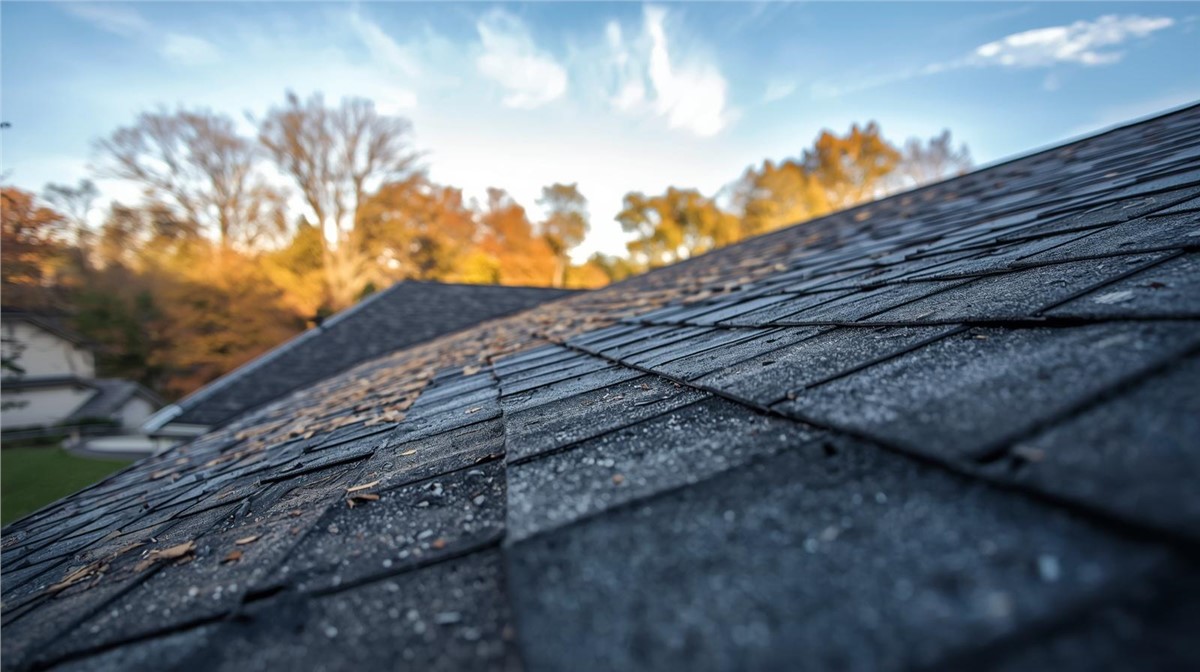
Roof overhangs and flashing help protect windows from direct water exposure. Roof leaks can sometimes show up as window issues, making a holistic inspection important.
Windows and Gutters
Failing gutters can overflow during heavy rain or snowmelt, saturating window trim and frames. Coordinated exterior maintenance reduces long-term damage.
Repair vs. Replacement: Making the Right Choice
Window repairs may make sense when:
Damage is isolated
Frames and seals are still intact
Energy performance remains acceptable
Replacement is often the better option when:
Multiple windows show similar issues
Energy efficiency is noticeably poor
Windows are 20+ years old
Moisture or structural concerns are present
Modern replacement windows are designed to handle Midwest weather with improved insulation, durability, and low-maintenance materials.
Best Time of Year to Replace Windows in the Midwest
Window replacement can be done year-round, but many homeowners prefer:
Spring and fall, when temperatures are moderate
Periods before winter to improve comfort and efficiency
Planning ahead helps avoid emergency replacements during extreme cold or peak storm seasons.
Long-Term Benefits of Window Replacement
Replacing aging windows offers benefits beyond improved appearance:
Increased energy efficiency
Reduced drafts and noise
Better moisture control
Improved comfort year-round
When coordinated with siding or roofing projects, window replacement can enhance overall exterior performance.
Frequently Asked Questions
How long does window replacement take?
Most homes can have windows replaced within a few days, depending on the number and complexity.
Can windows be replaced in winter?
Yes, though cold weather may slightly affect scheduling and installation conditions.
Will new windows reduce condensation?
Properly installed, energy-efficient windows significantly reduce interior condensation issues.
Do new windows improve resale value?
Updated windows can increase curb appeal and are often attractive to buyers.
Should windows be replaced at the same time as siding?
Not always, but coordinating projects can improve flashing integration and long-term durability.
A Thoughtful Next Step
If your windows are showing signs of age or struggling to keep up with Midwest weather, a professional evaluation can provide clarity. Huskie Exteriors works with homeowners throughout Wisconsin and Illinois, offering experience across windows, roofing, siding, and gutters designed for regional conditions.
Taking a proactive approach to window replacement helps ensure your home stays comfortable, efficient, and protected—no matter what the Midwest weather brings next.
Subscribe to Huskie Exteriors's Blog





Comments