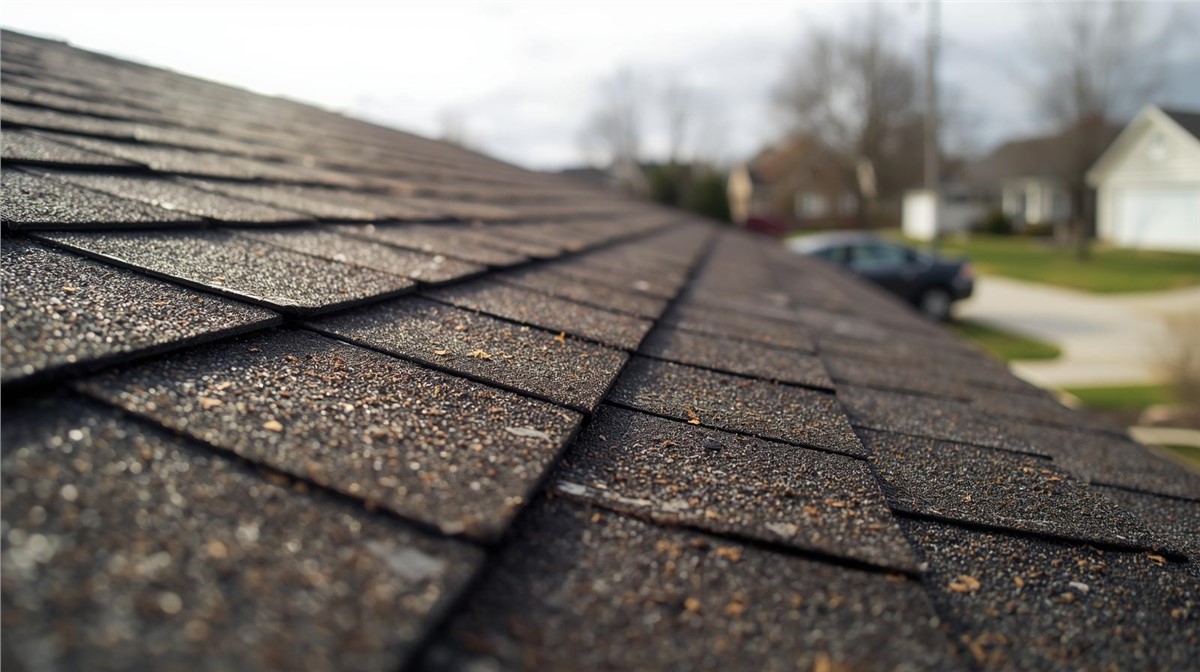
If you own a home in Wisconsin or Illinois, you already know that the Midwest doesn’t go easy on buildings. From heavy snow and ice in winter to spring storms, summer heat, and powerful winds year-round, your roof takes a constant beating. Over time, these weather patterns quietly wear down roofing materials—often long before homeowners realize there’s a problem.
Understanding how Midwest weather impacts your roof over time can help you spot issues earlier, plan maintenance wisely, and avoid costly surprises. This guide breaks down what really happens to roofs in our region, what signs to watch for, and how your roof works together with siding, windows, and gutters to protect your home.
Why Midwest Weather Is Especially Hard on Roofs
Roofs in Wisconsin and Illinois face challenges that homes in milder climates rarely experience. The combination of extreme temperature swings and varied precipitation creates stress that compounds year after year.
Key regional factors include:
Frequent freeze-thaw cycles
Heavy snow loads and ice buildup
Strong winds and severe thunderstorms
Hot, humid summers with intense sun exposure
These conditions accelerate aging, weaken materials, and expose installation or ventilation issues more quickly.
Winter: Snow, Ice, and Freeze-Thaw Damage
Snow Load and Structural Stress
Midwest winters bring prolonged periods of snow accumulation. While modern roofs are designed to handle snow loads, repeated winters of heavy buildup can:
Stress roof decking
Worsen existing weak spots
Expose framing or ventilation problems
Flat or low-slope sections are especially vulnerable.
Ice Dams and Hidden Water Damage
Ice dams are one of the most common winter roofing issues in Wisconsin and northern Illinois. They form when heat escapes from the attic, melting snow that refreezes near the roof edge. This forces water under shingles and into the roof system.
Over time, ice dams can damage:
Shingles and underlayment
Roof decking
Fascia boards and gutters
Interior insulation and drywall
Ice dam damage often isn’t visible until spring, when leaks or stains appear inside the home.
Freeze-Thaw Cycles
Water that seeps into small cracks or seams expands when it freezes. Repeated freeze-thaw cycles slowly widen those openings, weakening shingles, flashing, and sealants year after year.
Spring: Storms, Wind, and Rapid Temperature Changes
Spring weather in the Midwest is unpredictable—and rough on roofs.
High Winds
Strong winds common in spring storms can:
Lift or loosen shingles
Break adhesive seals
Expose nail heads and flashing
Even if shingles don’t blow off completely, wind damage can shorten the roof’s lifespan.
Hail Damage
Hailstorms are a major concern across Wisconsin and Illinois. While some damage is obvious, hail often causes subtle problems like:
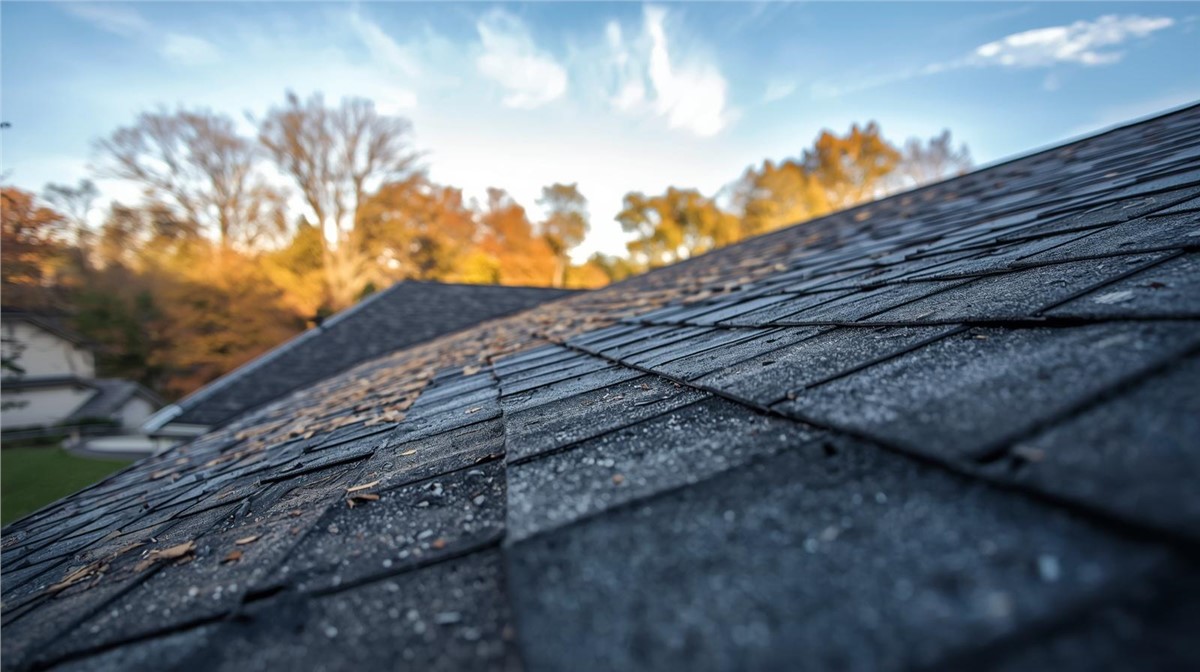
Granule loss on asphalt shingles
Hairline cracks that worsen over time
Bruising beneath the shingle surface
These issues reduce your roof’s ability to shed water and resist UV exposure.
Rapid Temperature Swings
Spring often brings freezing nights and warm days. This constant expansion and contraction accelerates material fatigue—especially on older roofs.
Summer: Heat, Humidity, and UV Exposure
Heat Accelerates Aging
Summer temperatures can push roof surfaces well above the air temperature. Prolonged heat:
Dries out asphalt shingles
Causes cracking and brittleness
Weakens sealants around vents and chimneys
In Illinois especially, long stretches of hot weather can significantly shorten shingle lifespan.
UV Radiation Breakdown
Sun exposure slowly degrades roofing materials. Over time, UV rays break down the oils in shingles, leading to:
Curling edges
Fading and granule loss
Reduced water resistance
Humidity and Ventilation Issues
Poor attic ventilation traps heat and moisture, which affects more than just the roof:
Moisture buildup can damage decking
Heat increases cooling costs
Condensation can affect windows and siding from the inside out
Proper ventilation is critical in Midwest homes where seasonal extremes are the norm.
Fall: Wind, Debris, and Preparation Challenges
Fall weather can be deceptively damaging.
Wind-Driven Debris
Leaves, branches, and debris collect in valleys and gutters. If not cleared, this buildup:
Traps moisture against shingles
Causes premature rot
Blocks gutters, forcing water back under the roof edge
Temperature Drops
As temperatures cool, materials contract again. Any damage from summer heat becomes more noticeable, making fall an important time for inspections.
How Midwest Weather Shortens Roof Lifespan
While asphalt shingles may be rated for 25–30 years, Midwest conditions often reduce that lifespan to 15–20 years. Factors that accelerate aging include:
Poor ventilation
Inadequate insulation
Improper flashing or installation
Deferred maintenance after storms
Metal, synthetic, and architectural roofing materials tend to perform better in harsh climates—but no roof is immune to regional weather stress.
Warning Signs Weather Damage Is Adding Up
Midwest weather damage is often gradual. Watch for these signs that your roof may be nearing the end of its service life:
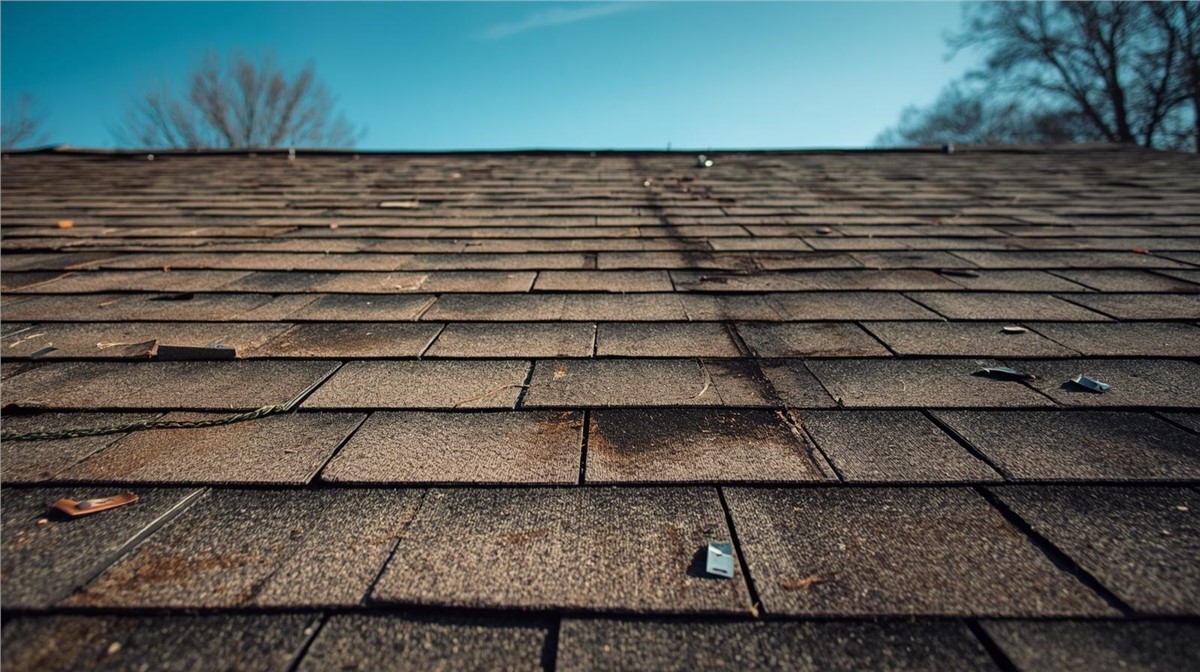
Missing, cracked, or curling shingles
Granules collecting in gutters or downspouts
Repeated leaks after storms
Uneven roof lines or sagging areas
Ice dam issues every winter
If these problems keep reappearing, weather exposure has likely weakened the system beyond simple repairs.
Your Roof Doesn’t Work Alone: The Exterior System
In Midwest homes, roofing performance is closely tied to other exterior components.
Gutters and Drainage
Gutters handle snowmelt and heavy rainfall. When they fail or clog:
Water backs up under shingles
Ice dams worsen
Fascia and soffits deteriorate
Siding and Wind Protection
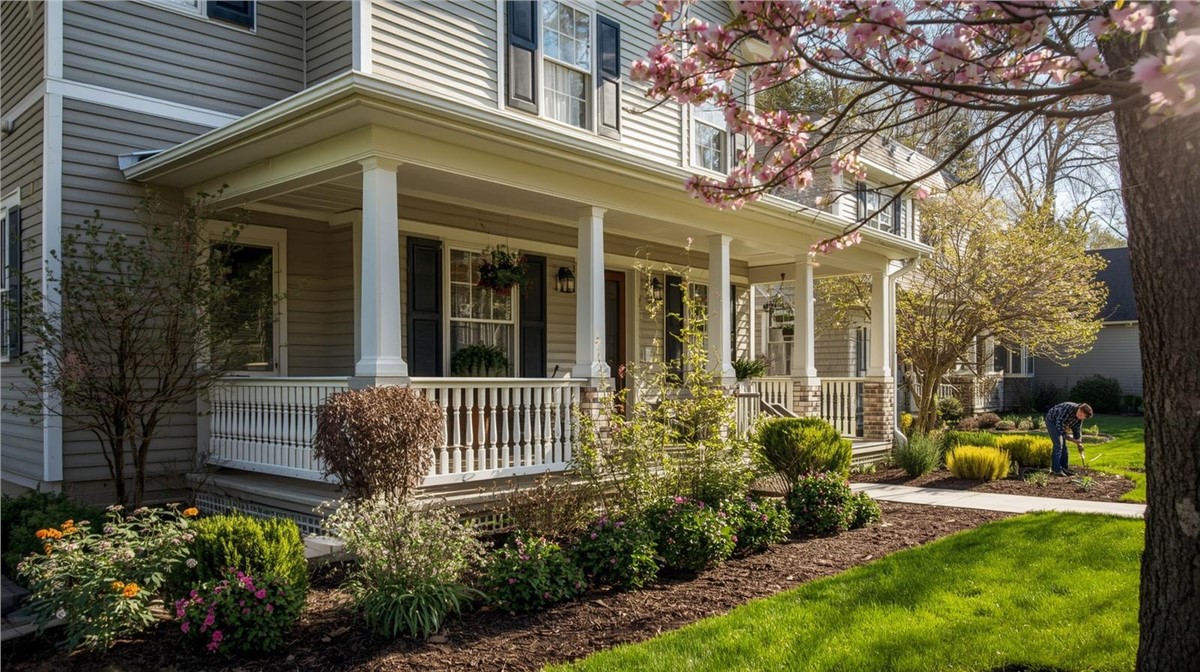
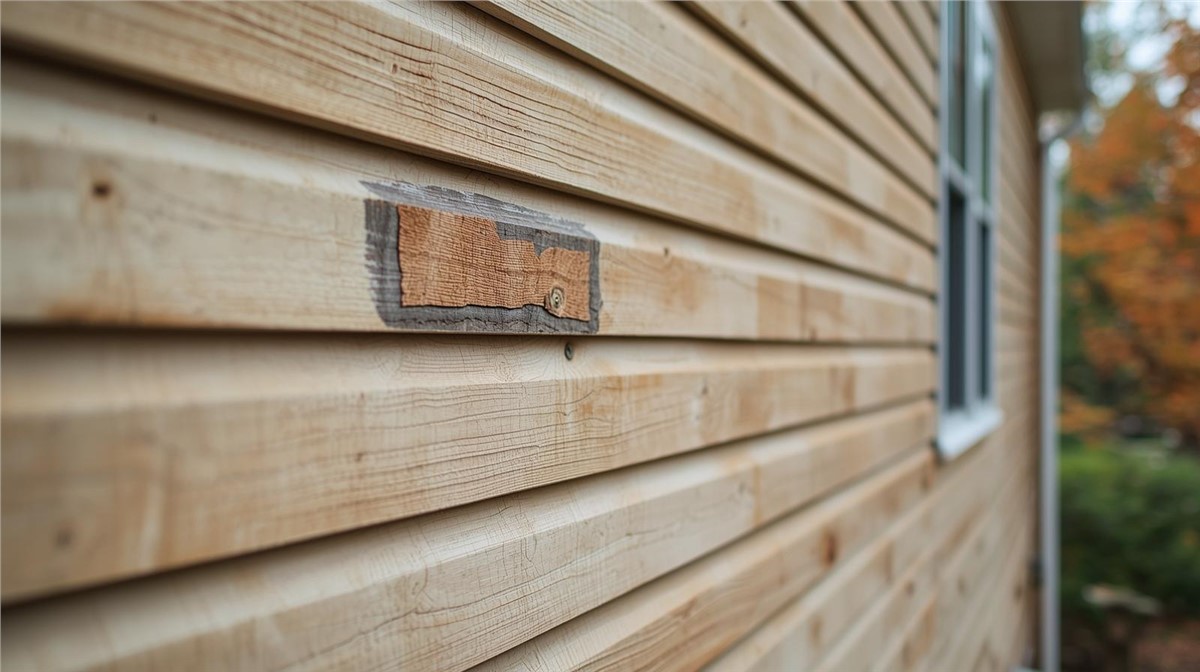
Wind-driven rain is common in storms across Wisconsin and Illinois. Proper siding installation and flashing help prevent moisture intrusion behind walls—protecting the roof structure from the inside.
Windows and Air Leakage
Poorly sealed or aging windows allow warm air to escape in winter, contributing to ice dams and attic moisture. Exterior systems must work together to control airflow and temperature.
How Homeowners Can Protect Their Roof Long-Term
While you can’t control the weather, you can reduce its impact.
Schedule Regular Inspections
Annual inspections—especially after major storms—help identify damage early, before it worsens through another season.
Keep Gutters Clean
Clear gutters in spring and fall to prevent water backup and ice dam formation.
Address Ventilation and Insulation
Proper attic airflow reduces heat buildup in summer and ice dam risk in winter.
Plan Ahead for Replacement
Replacing a roof on your timeline is far less stressful than dealing with emergency leaks during winter storms.
Frequently Asked Questions
How often should Midwest homeowners inspect their roof?
At least once per year and after significant storms involving hail, high winds, or heavy snow.
Can weather damage be invisible?
Yes. Hail, wind uplift, and moisture intrusion often cause damage that isn’t visible from the ground.
Do newer roofs handle Midwest weather better?
Modern materials and improved installation standards generally perform better, especially when combined with proper ventilation.
Are ice dams always a roofing problem?
Not always. They’re often linked to insulation, ventilation, and air leakage issues as well.
Does siding or gutter damage affect the roof?
Absolutely. Poor drainage or compromised siding can allow moisture to reach roof components and structural areas.
A Practical Way Forward
Midwest weather is unavoidable—but costly surprises don’t have to be. Understanding how snow, wind, heat, and storms affect your roof over time allows you to make proactive decisions that protect your home and budget.
Huskie Exteriors works with homeowners throughout Wisconsin and Illinois, bringing hands-on experience with roofing, windows, siding, and gutters designed for Midwest conditions. Whether you’re monitoring an aging roof or planning for the future, thoughtful guidance and timely inspections can make all the difference in how well your home weathers the years ahead.
Subscribe to Huskie Exteriors's Blog




Comments