When it comes to maintaining the exterior of your home, siding plays a critical role. Not only does it add to the aesthetic appeal, but it also protects your home from the elements. Over time, however, siding can become damaged, which leads homeowners to face a significant decision: should they opt for siding repair or go for a full replacement? This article aims to guide you through the decision-making process by comparing the costs, benefits, and scenarios where each option is most suitable.
Before diving into the comparison, it's essential to understand what siding repair and full replacement entail.
What is Siding Repair?
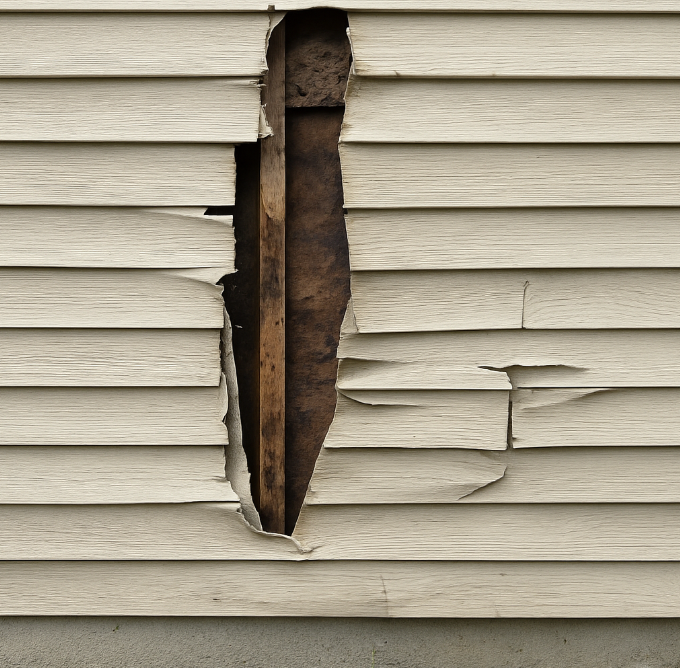
Siding repair involves fixing specific areas of your home's exterior that have been damaged. This could be due to weather, accidents, or wear and tear over time. Repairing siding is often less disruptive and can be more cost-effective if the damage is not extensive.
What is Full Siding Replacement?
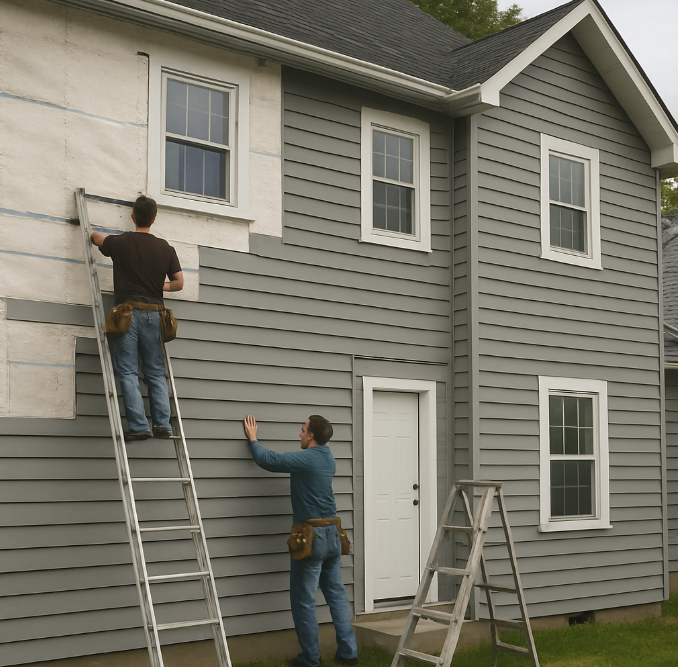
Full siding replacement, on the other hand, involves removing all the existing siding and installing new material. This option is generally considered when the damage is widespread or when homeowners want to upgrade to a more durable or visually appealing siding material.
Factors to Consider: Siding Repair vs. Full Replacement
When deciding between siding repair and full replacement, several factors come into play. Here's a breakdown of the most critical considerations:
1. Extent of Damage
The extent of the damage is a primary factor. If the damage is localized to a small area or a few boards, repairing those sections might be sufficient. However, if the damage is widespread, a full replacement could be more cost-effective in the long run.
2. Age of Existing Siding
Consider the age of your current siding. If it’s nearing the end of its lifespan, a full replacement might be more beneficial, as it would save you from constant repairs and potential issues in the near future.
3. Cost Implications
Cost is often a deciding factor for many homeowners. While repairs are generally cheaper upfront, they can add up over time if multiple repairs are needed. A full replacement has a higher initial cost but may offer better value if the existing siding is extensively damaged or outdated.
4. Aesthetic Preferences
If you're looking to give your home a fresh new look, a full replacement could be the way to go. This option allows you to choose new materials and colors that align with your current aesthetic preferences.
5. Energy Efficiency
Newer siding materials often come with improved energy efficiency features. If your existing siding is outdated, a full replacement could lower your energy bills and increase your home's overall efficiency.
Cost Comparison: Siding Repair vs. Full Replacement
Siding Repair Costs
The cost of siding repair can vary based on the extent of damage and the type of material. On average, homeowners might spend anywhere from $200 to $1,500 for repairs. This cost includes labor and materials.
Full Replacement Costs
The cost for full siding replacement is higher, with prices ranging from $5,000 to $15,000, depending on the size of the home and the materials chosen. Vinyl siding is usually the most affordable option, while fiber cement and wood can be more expensive.
When to Choose Siding Repair
Localized Damage: If only a small section of your siding is damaged, repair is a practical solution.
Budget Constraints: When budget is a primary concern, repairing can be a temporary fix until a full replacement is feasible.
Short-Term Fix: If you plan to replace your siding in the future but need a quick fix now, repair is the way to go.
When to Opt for Full Replacement
Widespread Damage: If your siding is damaged in multiple areas, replacement is often more cost-effective.
Upgrading Materials: When you want to switch to a more durable or visually appealing material.
Increasing Home Value: New siding can enhance your home's curb appeal and increase its market value.
Energy Efficiency Improvements: To benefit from the latest energy-efficient materials.
Siding Installation Guide
If you've decided on a full replacement, understanding the installation process can help you prepare better.
1. Planning and Preparation
Start by planning your budget and selecting the siding material. Common options include vinyl, wood, fiber cement, and aluminum. Consider the climate in your area and the maintenance requirements of each material.
2. Hiring a Professional
For a successful installation, hiring a professional is recommended. They have the expertise to ensure the job is done correctly and efficiently.
3. Installation Process
The installation process involves removing the old siding, preparing the surface, and installing the new material. This may also include adding insulation for improved energy efficiency.
Conclusion
Deciding between siding repair and full replacement is not a one-size-fits-all decision. It requires careful consideration of the extent of damage, cost, and long-term benefits. By assessing your specific needs and consulting with a professional, you can make an informed decision that enhances your home’s appearance and functionality. Whether you choose repair or replacement, maintaining your siding ensures your home remains beautiful and protected for years to come.
Subscribe to Huskie Exteriors's Blog






Comments