When it comes to home maintenance, windows often fly under the radar. Yet, they play a crucial role in your home's energy efficiency, aesthetic appeal, and overall value. Understanding the lifespan of your windows, as well as how to maintain them, can save you from unexpected expenses and keep your home in top condition. In this guide, we'll dive into the factors that affect window longevity, signs that it's time for a replacement, and tips for extending their life.
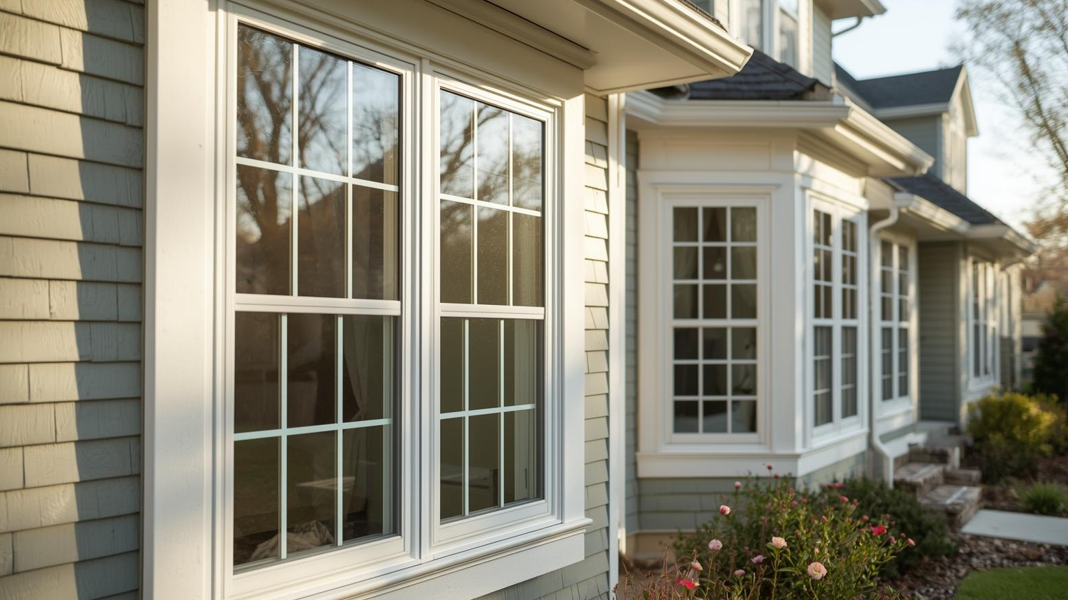
Windows, much like other elements of your home, have a lifespan that can vary based on several factors. On average, most residential windows last between 15 to 30 years. However, the type of windows, quality of installation, and level of maintenance can significantly influence this range.
Factors Influencing Window Longevity
Material Type: The material your windows are made from is perhaps the most significant factor in determining their lifespan. For example: Vinyl Windows: These are popular due to their affordability and energy efficiency, lasting about 20 to 25 years. Wood Windows: Known for their classic appeal, they can last up to 30 years or more with proper maintenance. Aluminum Windows: Durable and often used in commercial settings, they typically last 15 to 20 years. Fiberglass Windows: These can last 30 to 40 years due to their high durability and resistance to weathering.
Quality of Installation: Proper installation is crucial. Poor installation can lead to air and water leaks, which can quickly deteriorate your windows and decrease their lifespan.
Climate and Weather: Windows in areas with harsh weather conditions, such as extreme heat, cold, or high humidity, may experience more wear and tear, reducing their lifespan.
Maintenance: Regular maintenance can significantly extend the life of your windows. This includes cleaning, sealing, and repairing any damage promptly.
Signs It's Time to Replace Your Windows
Even with the best maintenance, there comes a time when windows need replacement. Here are some signs to watch for:
Drafts and Increased Energy Bills: If you notice drafts or a sudden spike in your energy bills, your windows may no longer be insulating your home effectively.
Difficulty Opening or Closing: Windows that are difficult to operate can be a sign of warping or frame damage.
Condensation Between Glass Panes: This indicates that the seal has failed, and your windows are no longer energy efficient.
Visible Damage or Rot: Cracks, chips, or rotting frames are clear indicators that replacement is necessary.
Benefits of Replacing Old Windows
Replacing old, inefficient windows can offer several benefits:
Energy Efficiency: New windows can reduce energy loss, lower your utility bills, and improve the overall comfort of your home.
Enhanced Curb Appeal: Modern windows can update the look of your home, increasing its market value.
Noise Reduction: New windows often provide better sound insulation, creating a quieter indoor environment.
Improved Security: Modern windows come with advanced locking mechanisms, enhancing your home's security.
Tips for Maintaining Your Windows
Proper maintenance can extend the life of your windows and keep them looking their best. Here are some tips to help you maintain your windows effectively:
Regular Cleaning
Glass: Clean the glass regularly with a mild detergent and water to remove dirt and prevent buildup.
Frames and Sills: Dust and clean window frames and sills to prevent dirt from accumulating and causing damage.
Inspect and Repair
Check for Damage: Regularly inspect your windows for signs of damage, such as cracks or warping. Address these issues promptly to prevent further deterioration.
Seal and Caulk: Ensure that window seals are intact to prevent drafts. Reapply caulk around frames as needed to maintain a tight seal.
Lubricate Moving Parts
Tracks and Hinges: Lubricate window tracks and hinges to ensure smooth operation and prevent wear.
Investing in Energy-Efficient Windows
If you're considering replacing your windows, investing in energy-efficient options can be a wise decision. Energy-efficient windows can significantly reduce your home's energy consumption, saving you money in the long run. Look for windows with:
Low-E Glass: This type of glass reflects heat, keeping your home cooler in the summer and warmer in the winter.
Multiple Panes: Double or triple-pane windows provide better insulation than single-pane options.
Gas Fills: Windows filled with argon or krypton gas offer superior thermal insulation.
Conclusion
Windows are a vital component of your home, impacting both its functionality and aesthetics. Understanding the factors that affect window lifespan and knowing when it's time to replace them can help you maintain your home's value and comfort. By investing in quality windows and maintaining them properly, you can enjoy the benefits of energy efficiency, enhanced security, and improved curb appeal for years to come. Whether you're dealing with aging windows or planning a home renovation, making informed decisions about your windows can lead to significant long-term savings and satisfaction.
Subscribe to Huskie Exteriors's Blog





Comments