Siding is a crucial element of your home’s exterior, providing protection against the elements, enhancing curb appeal, and contributing to energy efficiency. However, like all materials, siding doesn't last forever. Knowing when to replace it can save you from bigger headaches down the line. In this article, we’ll explore key signs that your siding may need a replacement.
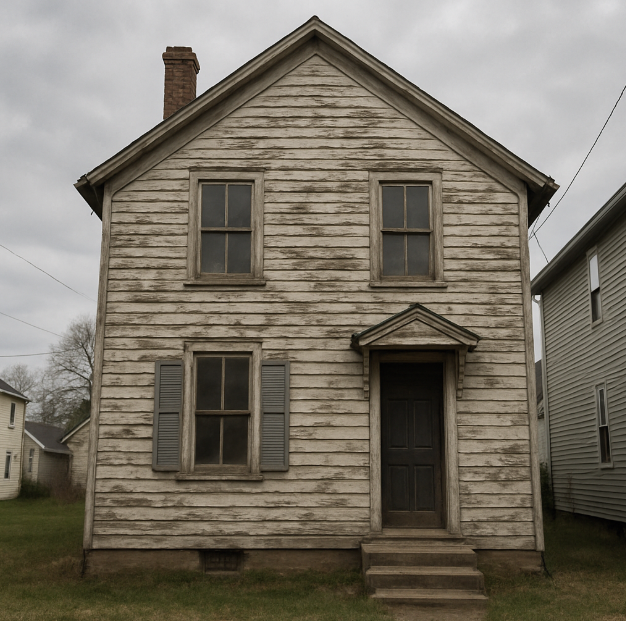
Physical Damage and Deterioration
One of the most apparent signs that your siding needs to be replaced is visible physical damage. Here's what to look for:
Cracks and Holes
Cracks and holes are clear indicators that your siding is compromised. These imperfections can allow moisture to seep in, leading to further damage inside the walls.
Warping and Buckling
Warped or buckled siding boards can no longer protect your home efficiently. This distortion often results from prolonged exposure to moisture or extreme temperatures.
Rotting and Crumbling
If you notice sections of your siding that are soft, crumbling, or rotting, it’s a sure sign that moisture has penetrated the material, and replacement is necessary.
Moisture and Mold Problems
Moisture is siding's worst enemy. Keeping an eye out for these signs can prevent severe damage:
Mold, Mildew, and Fungus
The presence of mold, mildew, or fungus on the exterior of your siding indicates a moisture problem. If left unchecked, this can penetrate the interior walls, leading to health risks and structural damage.
Bubbling or Blistering
Bubbles or blisters under the surface of your siding are a sign that water is trapped beneath. This often results from poor installation or significant water exposure.
Increased Energy Bills
Siding also plays a role in your home's insulation. If you notice a steady increase in your energy bills, your siding might be to blame.
Poor Insulation
Ineffective siding can lead to heat loss in the winter and heat gain in the summer. If your HVAC system is working overtime, it may be time to consider new, more energy-efficient siding.
Frequent Need for Repairs
If you find yourself constantly repairing your siding, it might be more cost-effective to replace it altogether.
Cost of Frequent Repairs
Regular repair costs can quickly add up. Assess whether investing in new siding would be a more sustainable solution in the long run.
Fading and Discoloration
While fading is often a cosmetic issue, it can also indicate deeper problems.
Loss of Color
When siding loses its color, it might mean the waterproofing layer has worn off, leaving your home vulnerable to the elements.
Interior Damage
Sometimes, the signs that your siding needs replacement are visible inside your home.
Peeling Paint and Wallpaper
If you notice peeling paint or wallpaper inside your home, it might be due to moisture seeping through damaged siding.
Damp Walls
Damp spots on your interior walls are a critical indicator of a siding problem. Moisture intrusion can lead to mold growth and structural issues.
Age of the Siding
Like any component of your home, siding has a finite lifespan.
Lifespan of Different Materials
Vinyl Siding: Typically lasts 20-40 years.
Wood Siding: Can last 15-40 years, depending on maintenance.
Fiber Cement Siding: Generally lasts about 25-50 years.
If your siding is approaching or has exceeded its expected lifespan, consider replacing it to maintain your home's integrity.
Conclusion
Recognizing the signs that your siding needs replacement can prevent further damage and save you money in the long run. By addressing issues like physical damage, moisture problems, and increased energy bills, you can ensure that your home remains protected and efficient.
If you're uncertain about the condition of your siding, consult a professional for a thorough inspection. A timely replacement can enhance your home’s appearance, improve energy efficiency, and safeguard against future issues.
Remember, your home is one of your most significant investments. Taking care of its exterior is crucial in maintaining its value and comfort.
Subscribe to Huskie Exteriors's Blog





Comments