When it comes to replacing your windows, the choices can be overwhelming. Vinyl, wood, and fiberglass are the most popular options, each with its own set of advantages and drawbacks. This guide will help you understand the differences so you can make an informed decision for your home.
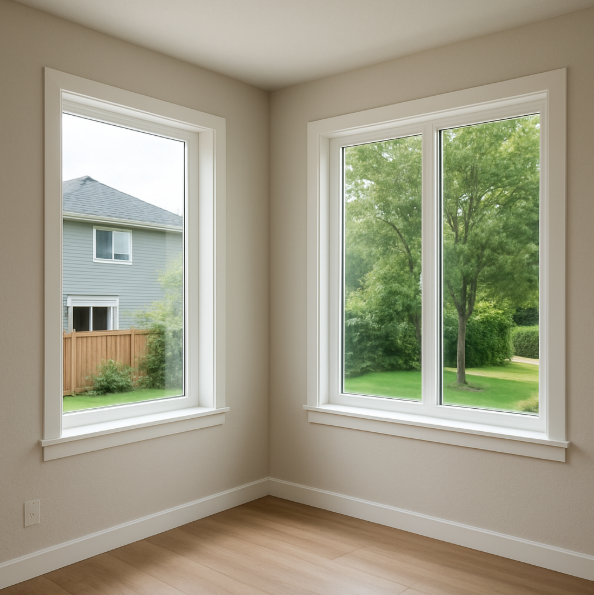
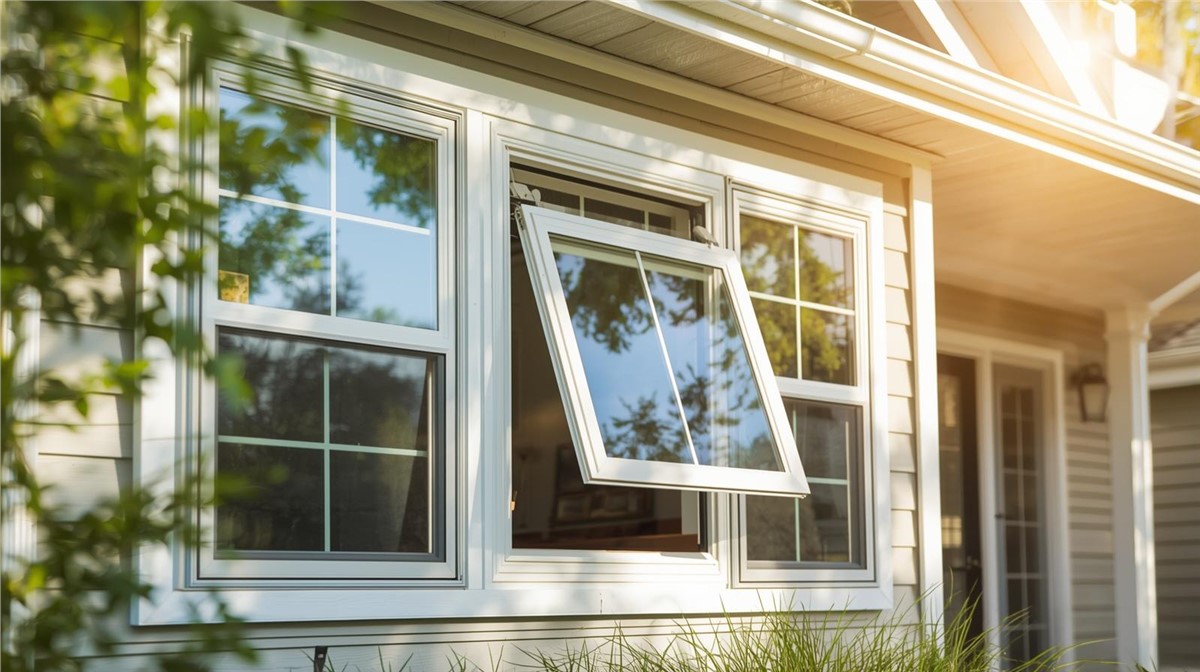
Vinyl windows are made from polyvinyl chloride (PVC), a durable and cost-effective material. They have become a popular choice for many homeowners due to their affordability and energy efficiency.
Pros of Vinyl Windows
Cost-Effective: Vinyl windows are generally less expensive than wood or fiberglass, making them an attractive option if you’re on a budget.
Energy-Efficient: These windows have excellent insulation properties, which can help reduce your energy bills.
Low Maintenance: Vinyl does not require painting or staining, and it is resistant to rot and corrosion.
Variety of Styles: Available in a wide range of styles and colors, including the popular black vinyl windows, they can complement any home decor.
Cons of Vinyl Windows
Limited Color Options: While they come in various colors, you cannot paint vinyl windows, limiting your ability to change their color after purchase.
Expansion and Contraction: Vinyl can expand and contract with temperature changes, which may lead to warping over time.
Less Authentic Look: Some people feel that vinyl windows lack the traditional charm of wood windows.
Exploring Wood Windows
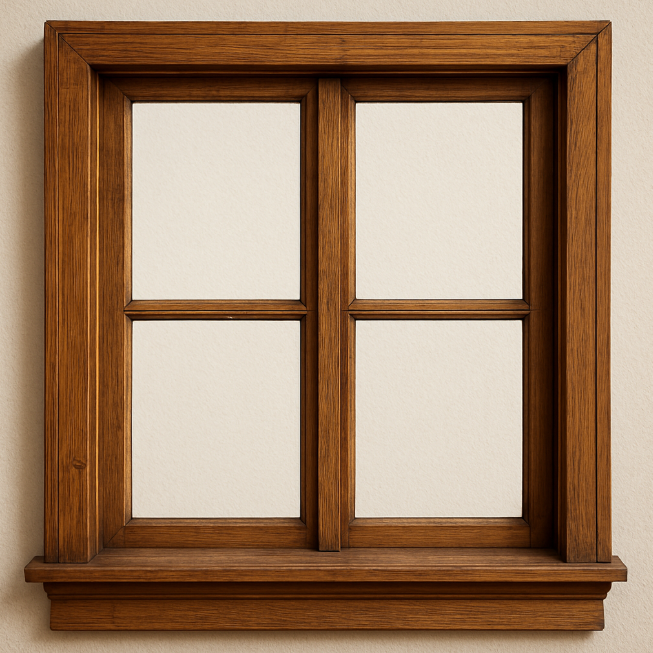
Wood windows offer a classic and timeless look, often favored for their natural beauty and traditional appeal.
Pros of Wood Windows
Aesthetic Appeal: Wood windows provide a warm and inviting look that can enhance the character of a home.
Customizable: They can be painted or stained to match any color scheme, offering more flexibility in design.
Good Insulation: Wood is a natural insulator, helping to keep your home comfortable throughout the year.
Durability: With proper care, wood windows can last for many years.
Cons of Wood Windows
High Maintenance: Wood requires regular maintenance, such as painting or staining, to protect it from moisture and pests.
Cost: They tend to be more expensive than vinyl or fiberglass options.
Susceptibility to Damage: Without proper care, wood windows can be prone to rot, warping, and pest infestations.
Investigating Fiberglass Windows
Fiberglass windows are known for their strength and durability. They are made from glass fibers and resin, creating a robust and energy-efficient option.
Pros of Fiberglass Windows
Strength and Durability: Fiberglass is highly durable and can withstand harsh weather conditions without warping or cracking.
Energy Efficiency: These windows offer excellent insulation, similar to vinyl windows, and can help reduce energy costs.
Low Maintenance: They do not require frequent painting or sealing.
Stable: Fiberglass does not expand and contract with temperature changes, ensuring a tight fit over time.
Cons of Fiberglass Windows
Higher Cost: Fiberglass windows are typically more expensive than vinyl but often less costly than premium wood options.
Limited Aesthetic Options: Although they can mimic the appearance of wood, the color options may be less diverse.
Comparing Energy Efficiency
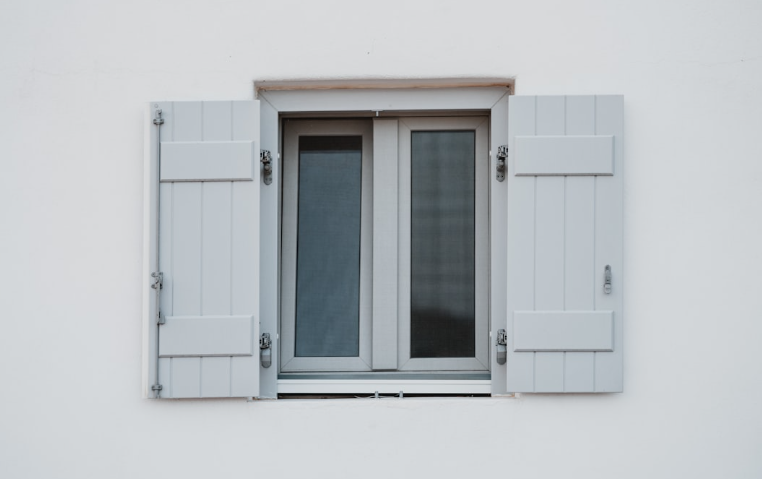
One of the critical considerations when choosing windows is energy efficiency. Both vinyl and fiberglass windows offer excellent insulation properties. They can reduce your heating and cooling costs by keeping your indoor environment stable.
Wood windows also provide good insulation, but they require more maintenance to maintain their energy-efficient properties. It's essential to consider your climate and how much you're willing to invest in maintenance when evaluating energy efficiency.
Installation and Longevity
Installation is another crucial factor to consider. Proper installation ensures that your windows perform well and last for many years. Whether you choose vinyl, wood, or fiberglass, hiring a professional installer is recommended to ensure a proper fit and seal.
In terms of longevity, fiberglass windows are known for their long lifespan due to their durability and resistance to the elements. Wood windows can also last a long time with proper care, while vinyl windows offer a good balance of cost and longevity but may need replacement sooner if they warp or become damaged.
Final Thoughts: Making the Right Choice
Choosing the right window material depends on various factors, including your budget, aesthetic preferences, maintenance willingness, and energy efficiency needs. Here's a quick recap:
Vinyl Windows: Best for budget-conscious homeowners looking for low maintenance and good energy efficiency.
Wood Windows: Ideal for those who value aesthetic appeal and are willing to invest time in maintenance.
Fiberglass Windows: Suited for homeowners seeking durability and energy efficiency, with a higher upfront cost.
Ultimately, the best window choice is one that aligns with your priorities and enhances the comfort and value of your home. Whether you opt for the classic charm of wood, the cost-efficiency of vinyl, or the durability of fiberglass, each option offers unique benefits that can meet your specific needs.
Subscribe to Huskie Exteriors's Blog





Comments