Choosing the right siding for your home can have a significant impact on its energy efficiency, especially in climates like Northern Illinois where weather conditions can be extreme. With the right siding, not only can you improve your home's appearance, but you can also reduce energy costs and contribute to a more sustainable environment.
In this article, we will explore the best siding options available for enhancing energy efficiency in Northern Illinois. We'll discuss various materials, their benefits, and how they can help you achieve an energy-efficient home.
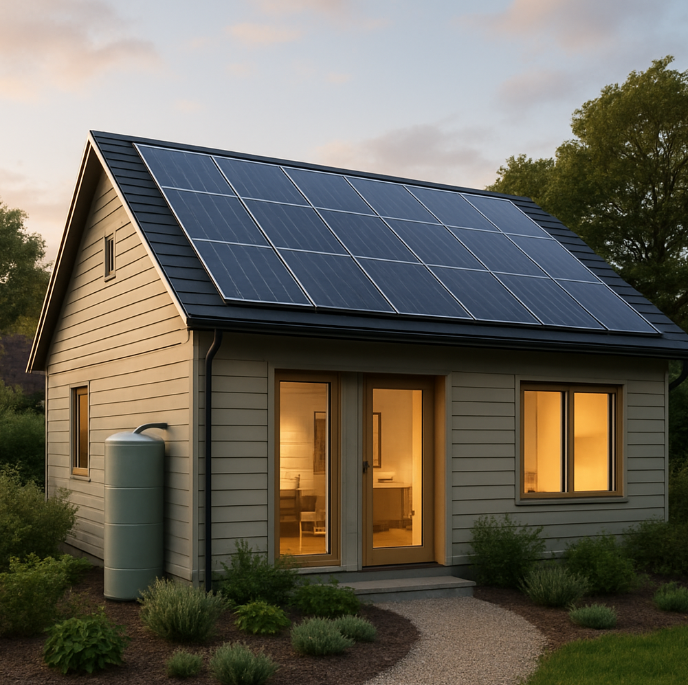
Understanding Energy Efficiency in Siding
Before diving into specific siding options, it's important to understand what makes siding energy efficient. Energy-efficient siding acts as a protective layer that helps maintain your home's temperature by reducing heat transfer. This is crucial for keeping your home warm in the winter and cool in the summer, thereby reducing the need for excessive heating and cooling.
Key Factors for Energy Efficiency
R-Value: This is a measure of thermal resistance. The higher the R-value, the better the material is at insulating your home.
Durability: Long-lasting materials ensure your home remains protected and efficient over time.
Weather Resistance: Siding should withstand harsh weather conditions, including wind, snow, and rain.
Sustainability: Eco-friendly materials not only reduce environmental impact but often come with energy-saving benefits.

Top Siding Options for Energy Efficiency
1. Insulated Vinyl Siding
Insulated vinyl siding is a popular choice due to its affordability and energy efficiency. It incorporates a layer of foam insulation, which increases the R-value and provides a thermal barrier against heat loss. This type of siding is also known for its durability and low maintenance.
Benefits of Insulated Vinyl Siding
Increased Insulation: The foam backing significantly boosts the insulating properties.
Affordable: Generally less expensive than other siding materials.
Versatile: Available in various styles and colors to match your home's aesthetic.
2. Fiber Cement Siding
Fiber cement siding is made from a mixture of cement, sand, and cellulose fibers. It is known for its durability, resistance to extreme weather, and its ability to mimic the appearance of wood or masonry without the associated maintenance.
Benefits of Fiber Cement Siding
Durability: Can last for decades with minimal maintenance.
Weather Resistant: Handles Northern Illinois' climate well, from hot summers to cold winters.
Fire Resistant: Provides added safety for your home.
3. Wood Siding
For those who prefer a natural look, wood siding is an excellent choice. While not the most energy-efficient option by itself, when paired with proper insulation, it can significantly enhance your home's energy efficiency.
Benefits of Wood Siding
Aesthetic Appeal: Offers a classic, timeless look.
Sustainable: Wood is a renewable resource, especially if sourced responsibly.
Customizable: Can be painted or stained to suit personal preferences.
4. Metal Siding
Metal siding, including aluminum and steel, is known for its strength and longevity. It's an energy-efficient option when installed with reflective coatings that help deflect sunlight and reduce heat absorption.
Benefits of Metal Siding
Durability: Resistant to warping, cracking, and pests.
Low Maintenance: Easy to clean and maintain over time.
Energy Efficiency: Reflective coatings enhance thermal performance.
Enhancing Energy Efficiency with Proper Installation
Even the best siding materials can fall short if not installed correctly. Proper installation is crucial for maximizing energy efficiency and ensuring your home is well-protected against the elements.
Tips for Proper Installation
Hire Professionals: Expert installers know how to correctly fit siding to minimize gaps and ensure insulation is effective.
Seal Gaps and Cracks: This prevents air leaks that can undermine energy efficiency.
Consider Additional Insulation: Adding an extra layer of insulation beneath the siding can further enhance energy efficiency.
Conclusion
Choosing the best siding for energy efficiency involves considering several factors, including climate, personal preferences, and budget. In Northern Illinois, where weather conditions can be challenging, siding options like insulated vinyl, fiber cement, wood, and metal offer varying levels of energy efficiency, durability, and aesthetic appeal.
By selecting the right siding and ensuring it is properly installed, homeowners can enjoy a more comfortable living environment, reduced energy bills, and contribute to a greener planet.
For those in Northern Illinois looking to improve their home's energy efficiency, these siding options offer a balance of functionality and style that can meet any home's needs.
Subscribe to Huskie Exteriors's Blog




Comments