When considering the longevity of a roof in Illinois, several factors come into play, including the materials used and the state's unique weather conditions. Understanding these elements can help homeowners make informed decisions about roofing materials and anticipate when a replacement might be necessary. This guide covers the expected lifespan of different roofing materials and how Illinois weather affects their durability.
Roofing Materials and Their Lifespans
Choosing the right roofing material is crucial for maximizing the lifespan of your roof. Here are some common roofing materials used in Illinois, along with their typical lifespans.
Asphalt Shingles
Asphalt shingles are the most popular roofing material due to their affordability and ease of installation. On average, asphalt shingle roofs last between 15 to 30 years, depending on the quality of the shingles. Architectural shingles, which are thicker and more durable than standard three-tab shingles, tend to last longer.
Metal Roofing
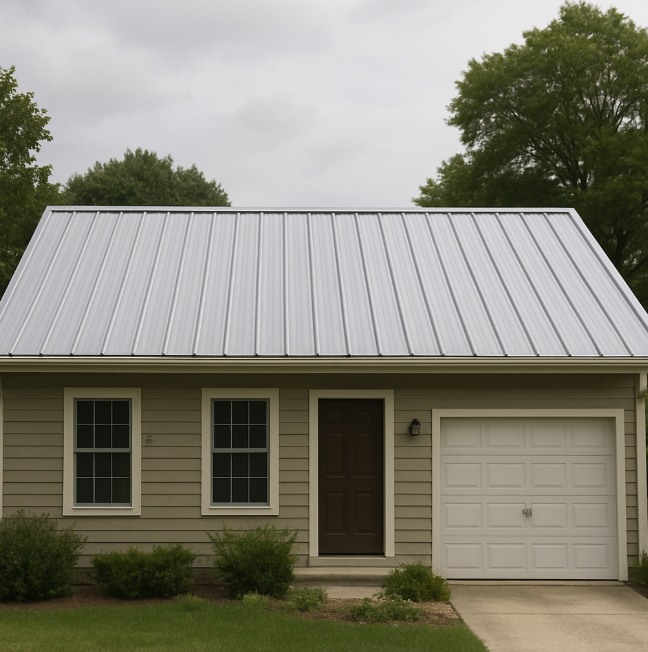
Metal roofs are known for their durability and longevity, often lasting between 40 to 70 years. They are resistant to extreme weather conditions, making them an excellent choice for Illinois homeowners who want a long-lasting roofing solution. However, the initial cost is higher compared to other materials.
Slate Roofing
Slate is a premium roofing material that can last over 100 years if properly maintained. Its natural beauty and exceptional durability make it a popular choice for historic homes. However, slate is also one of the most expensive roofing materials, and its installation requires specialized skills.
Wood Shingles and Shakes
Wood shingles and shakes offer a natural, rustic appearance and typically last between 20 to 40 years. The lifespan can vary significantly based on the type of wood used and the level of maintenance. Cedar is a popular choice due to its natural resistance to rot and insects.
Clay and Concrete Tiles
Clay and concrete tiles are durable and can last between 50 to 100 years. They are particularly well-suited for Mediterranean-style homes and can withstand harsh weather conditions. However, their weight requires a strong roof structure to support them.
Weather Factors Affecting Roof Lifespan in Illinois
Illinois experiences a range of weather conditions, from hot summers to cold, snowy winters. These weather factors can significantly impact the longevity of your roof.
Temperature Extremes
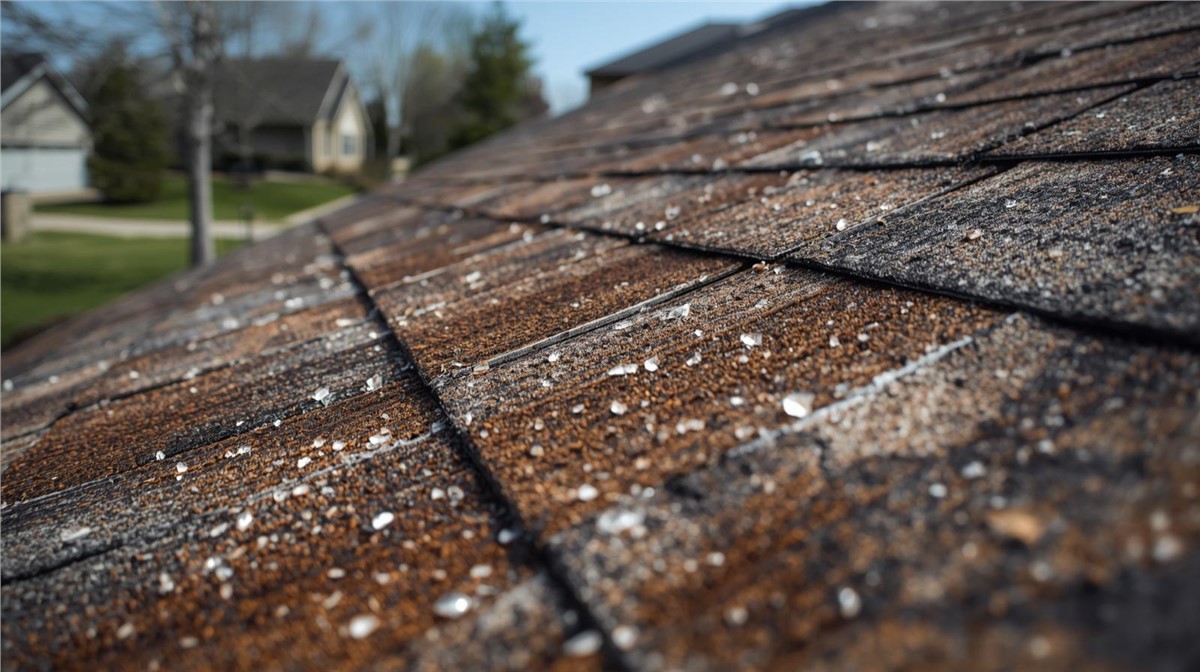
The state’s hot summers and freezing winters can cause roofing materials to expand and contract, leading to wear and tear over time. Asphalt shingles, in particular, can become brittle in cold weather, increasing the risk of damage.
Snow and Ice
Illinois winters often bring heavy snow and ice, which can add significant weight to a roof. This weight can cause structural damage or leaks if the roof is not properly maintained. Ice dams, which form when melting snow refreezes at the roof's edge, can also cause water to back up under shingles, leading to leaks.
Rain and Moisture
Frequent rain and high humidity can lead to moisture-related issues, such as mold and rot. This is a particular concern for wood shingles and shakes, which require regular maintenance to prevent water damage.
Wind
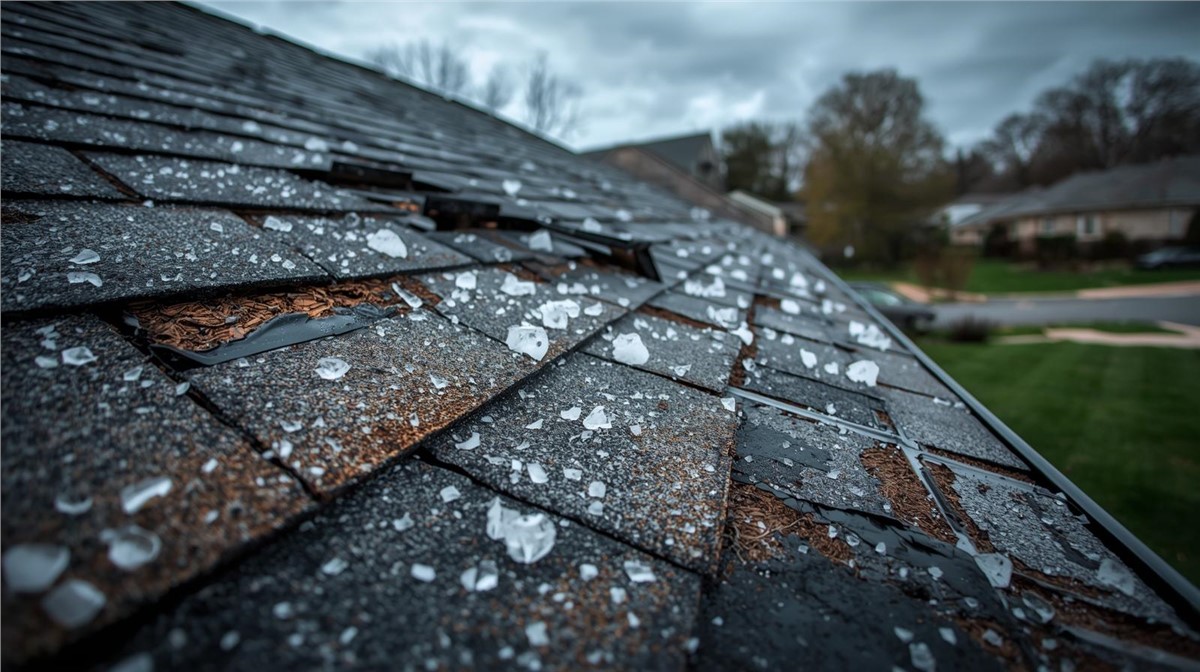
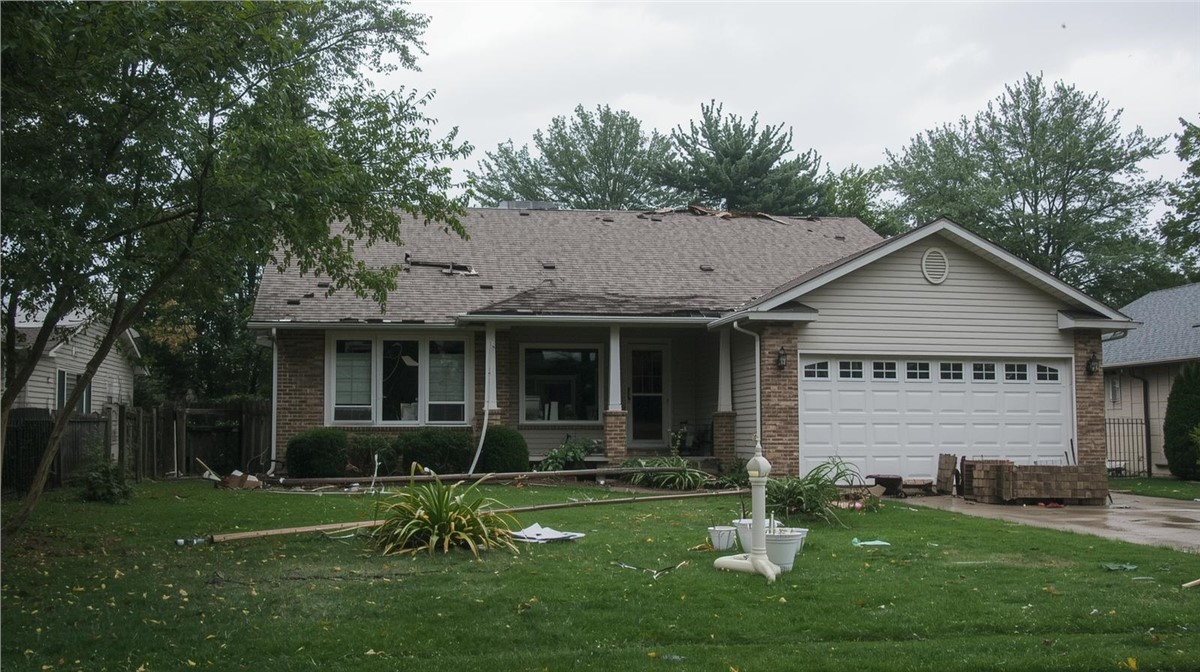
Strong winds can lift or tear off shingles, particularly if they are already loose or damaged. Metal roofs, with their interlocking panels, offer superior wind resistance compared to other materials.
Maintenance Tips to Extend Your Roof's Lifespan
Regular maintenance is key to extending the lifespan of your roof, regardless of the material. Here are some maintenance tips for homeowners in Illinois:
Regular Inspections: Conduct bi-annual roof inspections to identify and address any issues early. Look for signs of damage, such as missing or cracked shingles, and address them promptly.
Gutter Cleaning: Keep gutters clean and free of debris to prevent water buildup and ice dam formation.
Trim Overhanging Branches: Trees near your roof can cause damage during storms. Trim back any overhanging branches to reduce the risk of damage from falling limbs.
Address Moss and Algae: Remove moss and algae growth promptly, as they can retain moisture and damage roofing materials.
Professional Maintenance: Consider hiring a professional roofing contractor for regular maintenance and repairs to ensure your roof remains in good condition.
When to Consider Roof Replacement in Illinois
Knowing when to replace your roof can save you from costly repairs and potential damage to your home. Here are some signs that it might be time for a roof replacement:
Age: If your roof is nearing the end of its expected lifespan, it may be time to consider a replacement, even if it appears to be in good condition.
Frequent Repairs: If you find yourself frequently repairing your roof, it may be more cost-effective to replace it altogether.
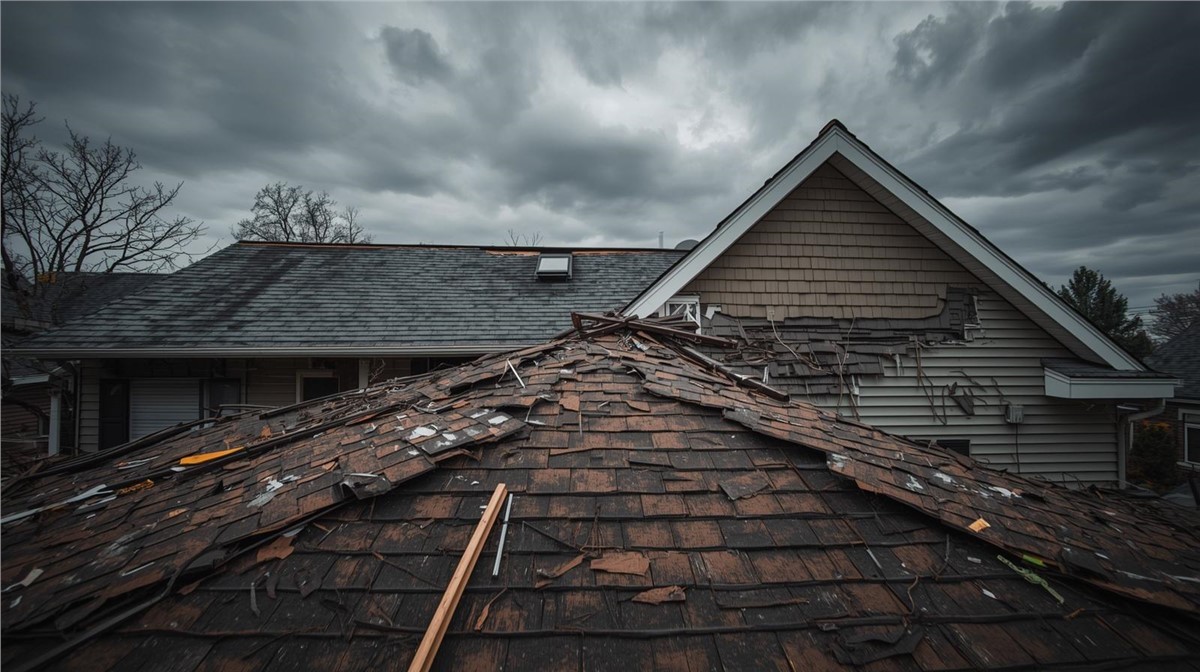
Visible Damage: Extensive damage, such as widespread shingle loss, sagging, or leaks, is a clear sign that replacement is necessary.
Energy Efficiency: An old roof may lack proper insulation, leading to higher energy bills. A new roof with modern materials can improve your home's energy efficiency.
In conclusion, understanding the factors that affect roof lifespan in Illinois, such as material choice and weather conditions, can help you make informed decisions about your roofing needs. Regular maintenance and timely replacements are essential to protect your home and ensure the longevity of your roof.
Subscribe to Huskie Exteriors's Blog




Comments