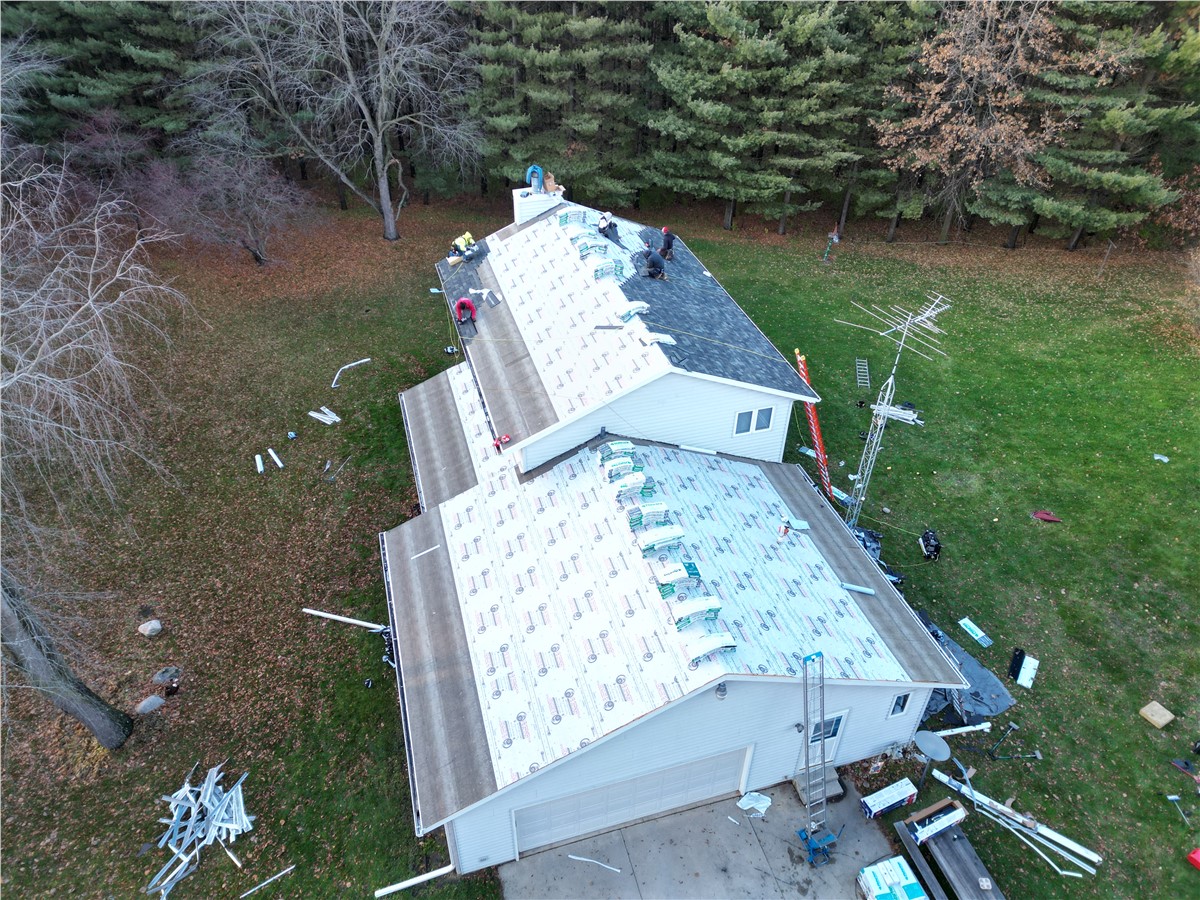
Replacing a roof is a significant investment for any homeowner. Understanding the costs involved is crucial for effective budgeting.
The cost of a new roof can vary widely. Factors like materials, size, and location play a big role.
Asphalt shingles are popular due to their affordability. However, metal roofs, though pricier, offer durability and energy efficiency.
Labor costs can make up a large portion of the total expense. It's important to consider these when planning your budget.
This guide will help you navigate the complexities of roof replacement costs. You'll learn about average costs, factors affecting pricing, and tips for saving money.
What Is the Average Roof Replacement Cost?
The cost of a roof replacement can vary quite a bit. In the U.S., the average cost ranges from $5,000 to $10,000. Many factors influence this range, so it's essential to consider specifics.
The size of your roof is a major factor in determining the cost. Larger roofs require more materials and labor, increasing the overall expense.
The materials chosen also impact the overall cost significantly. Asphalt shingles are generally the least expensive option, whereas metal or tile roofing can be more costly.
Here's a quick breakdown of average costs by material:
- Asphalt Shingles: $4,000 - $7,000
- Metal Roofs: $8,000 - $14,000
- Tile Roofs: $10,000 - $15,000
Key Factors That Affect New Roof Cost
Several key factors can significantly impact the cost of installing a new roof. First, consider the roof's size and shape. Larger or uniquely shaped roofs typically require more materials and labor, driving up costs.
The material you choose will also influence the price. While asphalt shingles tend to be budget-friendly, materials like metal or slate cost more but offer longer lifespans.
Another factor is roof pitch and complexity. Steeper roofs or those with complex designs often require specialized labor, which can increase the total expense.
Don't overlook geographic location when calculating costs. Prices for materials and labor can vary dramatically based on where you live, affecting the final total.
Moreover, existing roof conditions play a role. Older roofs may require additional work, such as removal and disposal, adding to the cost.
Factors impacting new roof costs may include:
- Size and shape of the roof
- Material type chosen
- Pitch and complexity of the roof
- Geographic location
- Condition of existing roof
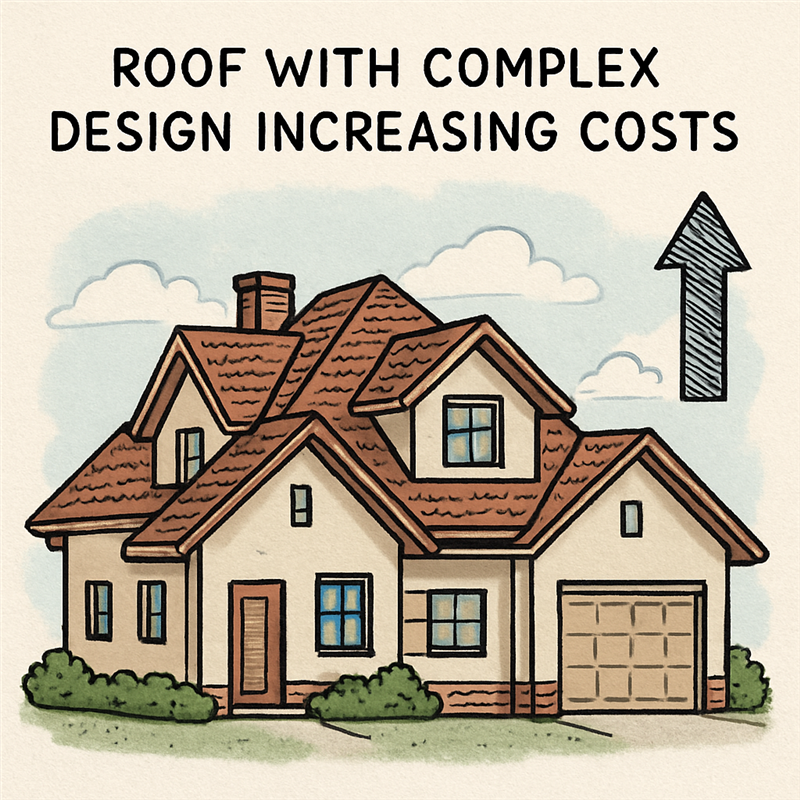
These elements all contribute to the cost, so evaluating them is vital for an accurate estimate.
Roof Replacement Cost by Material Type
Choosing the right roofing material is crucial for both cost and durability. Each type of material comes with a different price range and benefits. Asphalt shingles are quite popular because they offer good value and are cost-effective.
Metal roofs stand out due to their durability and energy efficiency. Though pricier, they often last longer, which can save money over time. Slate, a natural stone material, is beautiful but expensive. It's prized for its longevity and aesthetic appeal, often seen as a luxury option.
Wood shakes provide a classic look, but they may require more maintenance. These can be costlier in the long term due to upkeep. Tile roofs, either clay or concrete, are known for their durability and unique style. However, they tend to be heavy, which might lead to additional structural costs.
Consider the following average costs based on material:
- Asphalt shingles: $5,000 - $8,000
- Metal roofing: $10,000 - $15,000
- Slate roofs: $20,000 - $40,000
- Wood shakes: $10,000 - $20,000
- Tile roofing: $15,000 - $25,000
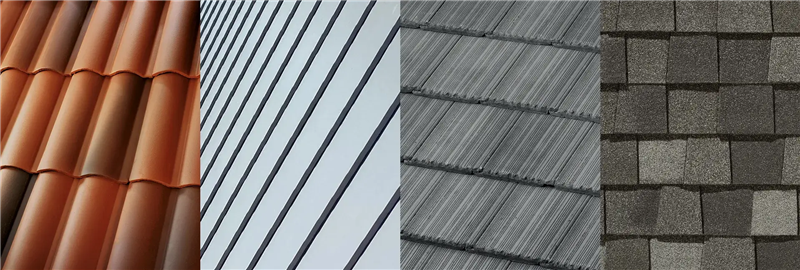
Ultimately, material choice will affect not just the initial expense but also long-term maintenance and energy costs. It's crucial to weigh these factors carefully.
Additional Costs to Consider
When planning for a new roof, it's important to anticipate additional expenses. Not all costs are immediately apparent. Roof removal and disposal fees can add up quickly. Disposal is often necessary and typically charged separately by contractors.
Extra features on your roof can further increase costs. Skylights, chimneys, and ventilation systems require precise labor, adding to overall expenses. Structural repairs may become apparent only once work begins.
Keep in mind these potential extra costs:
- Roof removal and disposal: necessary if replacing the existing roof.
- Structural repairs: sometimes unforeseen until the old roof is removed.
- Additional roof features: can require special attention and increase labor charges.
These factors make it essential to budget more than the raw material and labor costs. Being prepared for these costs can prevent unwelcome surprises.
How Labor and Location Impact the Cost of Roof Replacement
Labor is a substantial part of the roofing cost. It can constitute up to 60% of the total price. Experienced roofers demand higher fees, but their expertise ensures quality.
Location plays a critical role in cost variation. Urban areas with high labor rates tend to have pricier roof replacements. Remote locations may incur additional costs due to transportation of materials and workers.
A few location and labor cost factors to consider include:
- Local labor rates: vary significantly, affecting overall expense.
- Material transport: can be costlier in remote areas.
- Seasonal demand: in certain locations, demand peaks in spring and summer.
Carefully assess location-related costs to plan effectively. Such evaluations allow for smarter budgeting and reduce unexpected expenses.
How to Budget and Save on Your New Roof
Budgeting for a new roof can seem daunting, but strategic planning helps. Start by collecting several quotes from reputable contractors. Comparing quotes will ensure you get competitive pricing.
Consider the timing of your roof replacement. Roofing costs peak in spring and summer, when demand is highest. Scheduling your project during the off-season may yield lower prices.
Here are some tips to save money:
- Choose cost-effective materials: like asphalt shingles.
- Look for promotions: or discounts offered by contractors.
- Check for tax credits: on energy-efficient materials.
- Plan for the unexpected: by setting aside extra funds.
By budgeting wisely and seeking savings, you can manage costs effectively. Preparation not only saves money but also reduces stress during the roofing process.
Frequently Asked Questions About New Roof Cost
Many homeowners wonder about insurance coverage for roof replacement. Insurance policies might cover damage from storms or accidents. However, age and wear typically are not covered.
Another common question is about DIY roof replacement. Though tempting, it poses risks for amateurs. Professional installation ensures safety and might protect warranty terms.
Here are additional FAQs about new roof costs:
- Can I finance a new roof?
- What are the benefits of obtaining multiple quotes?
- How can I ensure a quality installation?
- What should I know about warranties?
Understanding these FAQs can make the process of planning for a new roof less overwhelming and more straightforward.
Contact Our Team for a Free Roof Replacement Today
With Huskie Exteriors' help, you can feel confident that your roof replacement will turn out perfect. We strive to match our customer's budgets and stylistic preferences and will provide you with stunning new roofing that doesn't break the bank. We begin every project with a free estimate, so reach out to our team today to request yours. In addition to residential roofing, we provide siding, windows, gutters, and storm damage services, so be sure to ask about those as well.